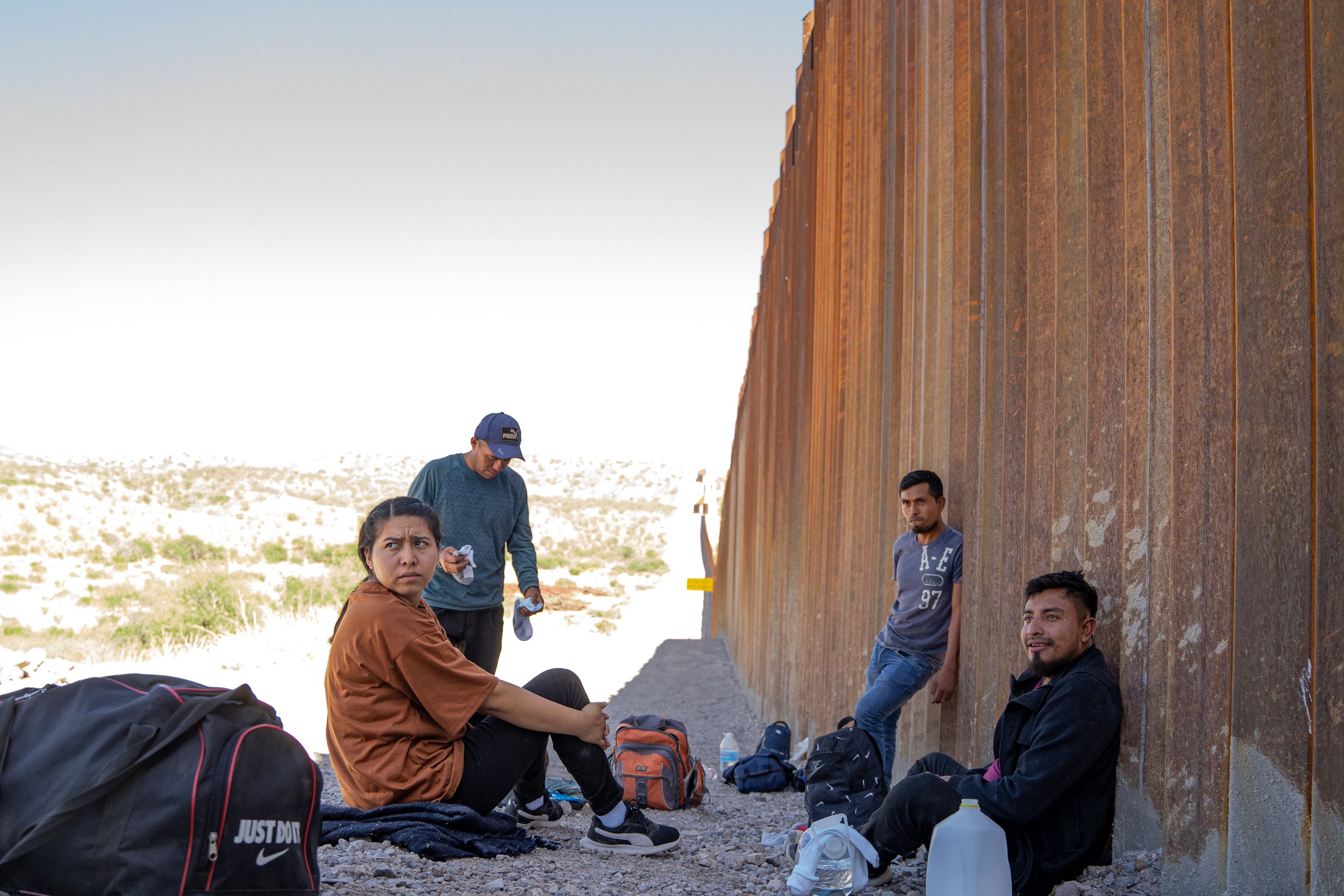
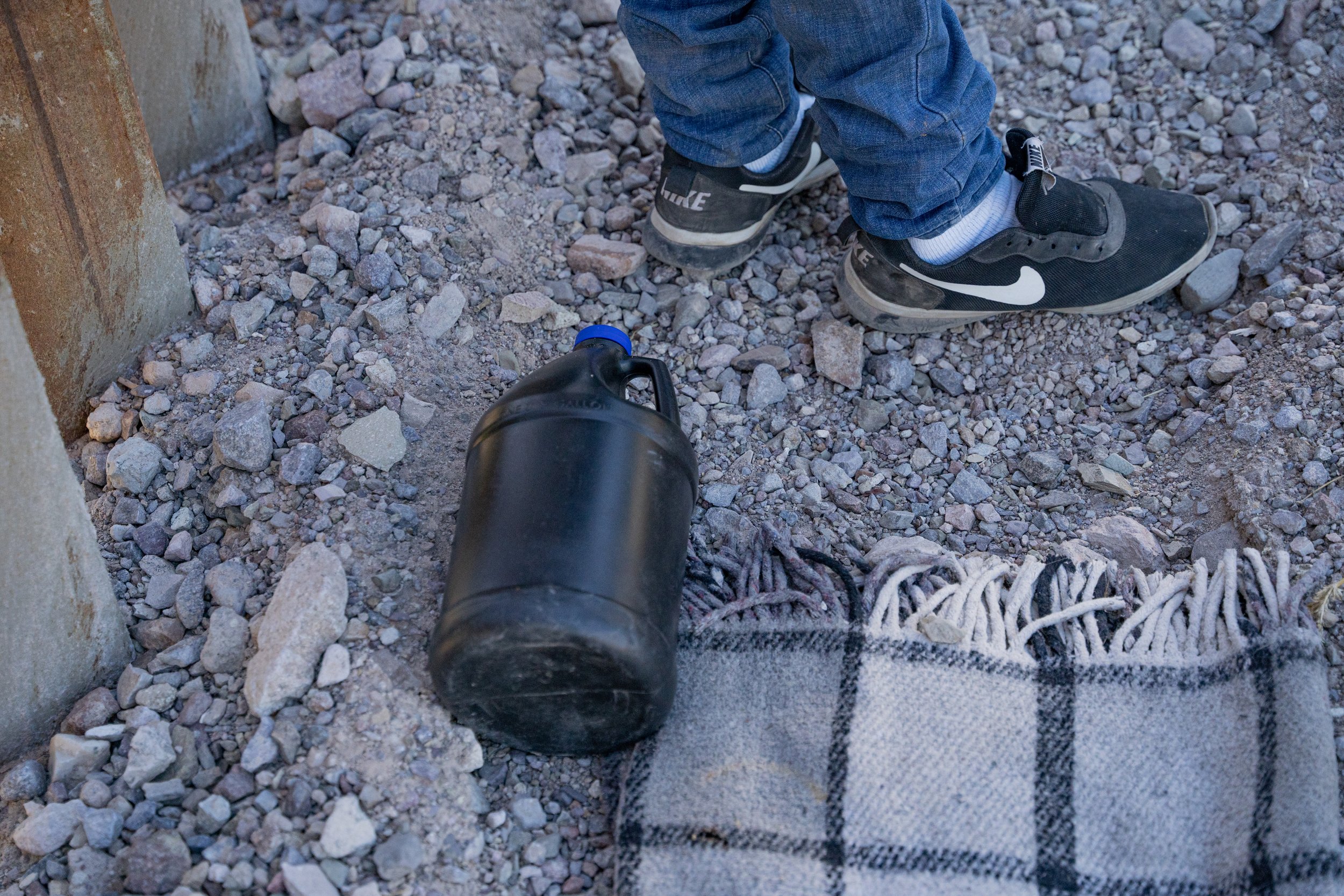
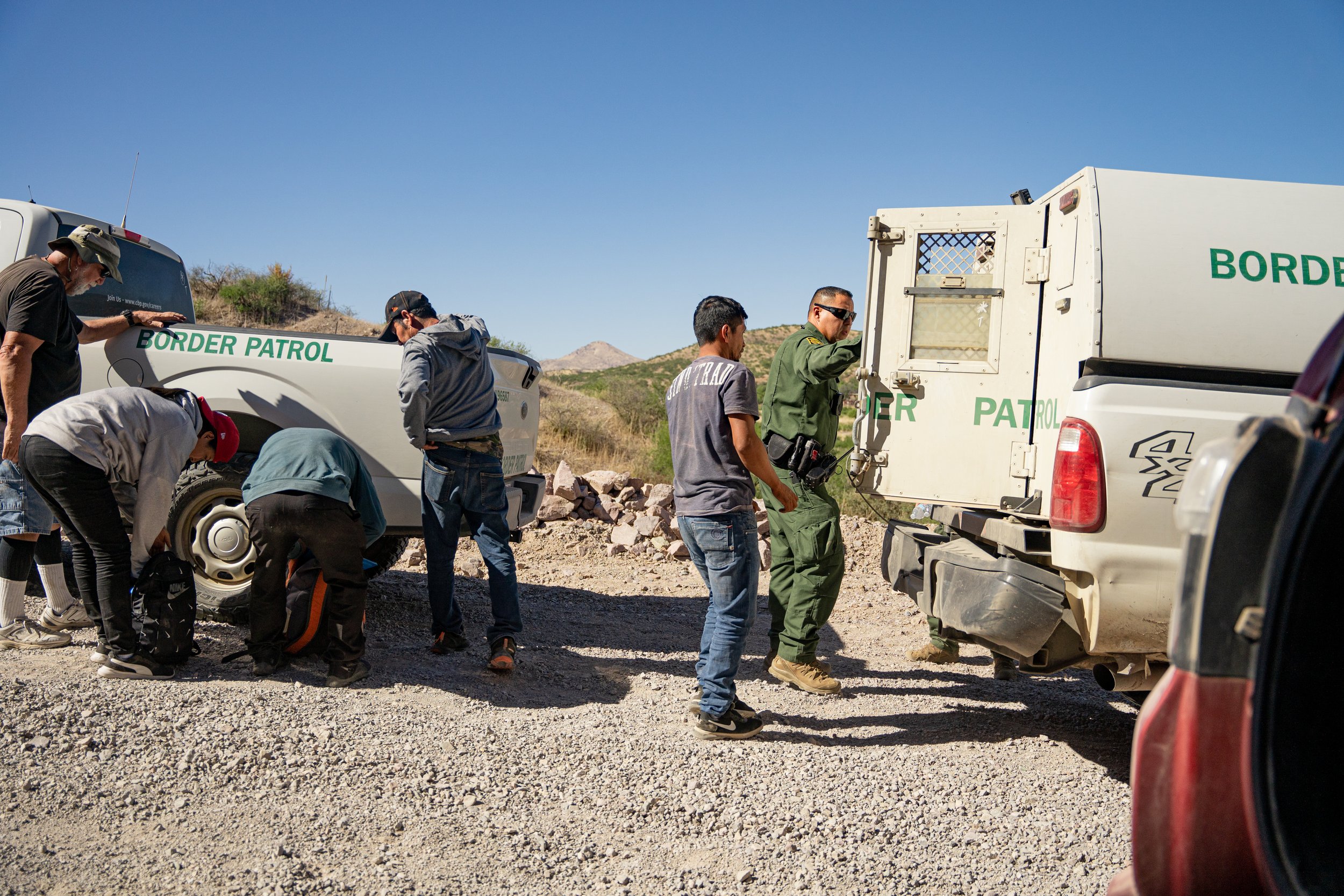
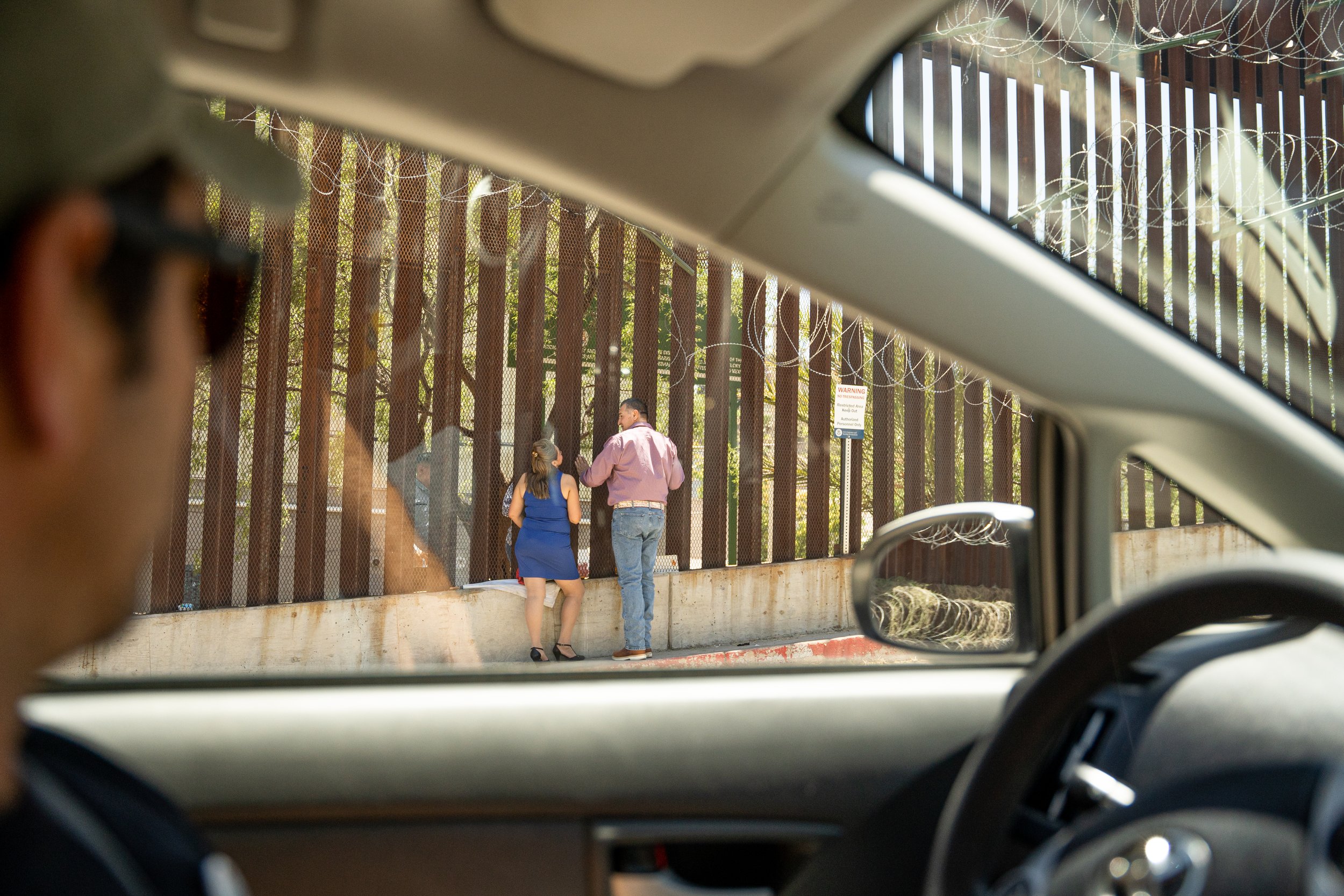
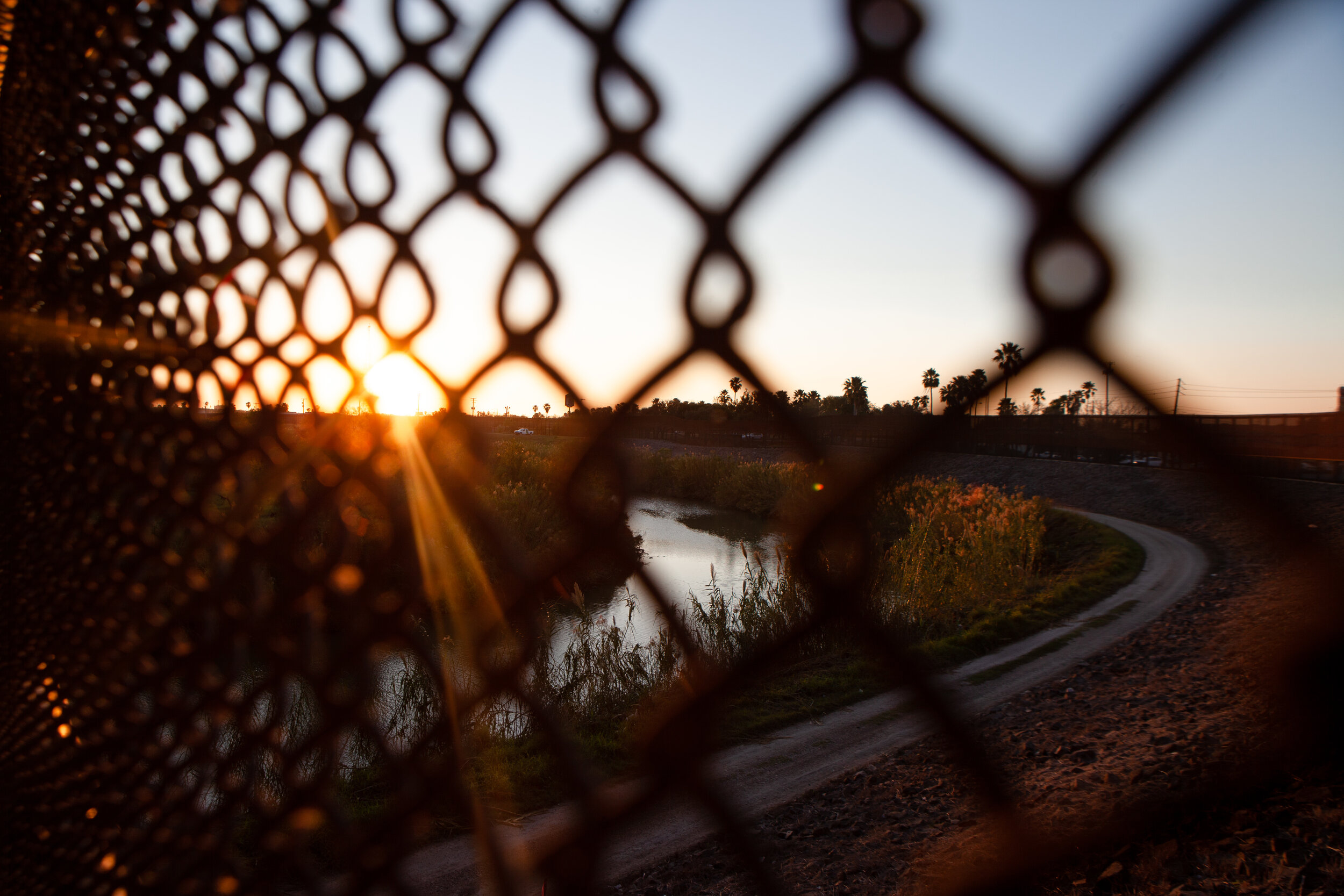
Since 2019, I have made several short trips to the US-Mexico border region. In 2019 and 2020, these visits helped deepen my understanding of the complex challenges faced by migrants and border communities. In 2022, we spent around five months along the southern border collecting stories, working with organizations, and shedding light on this complex space.
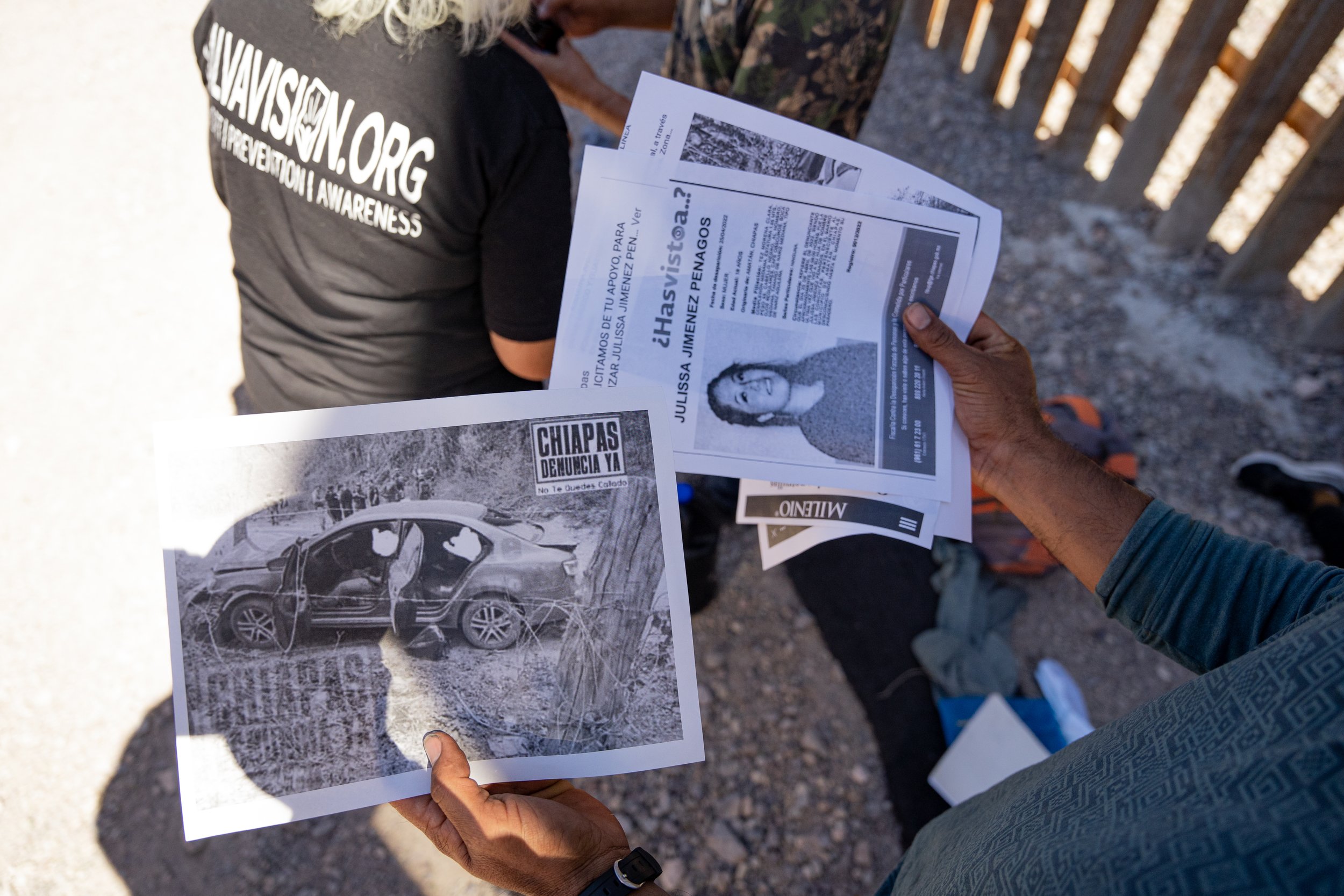
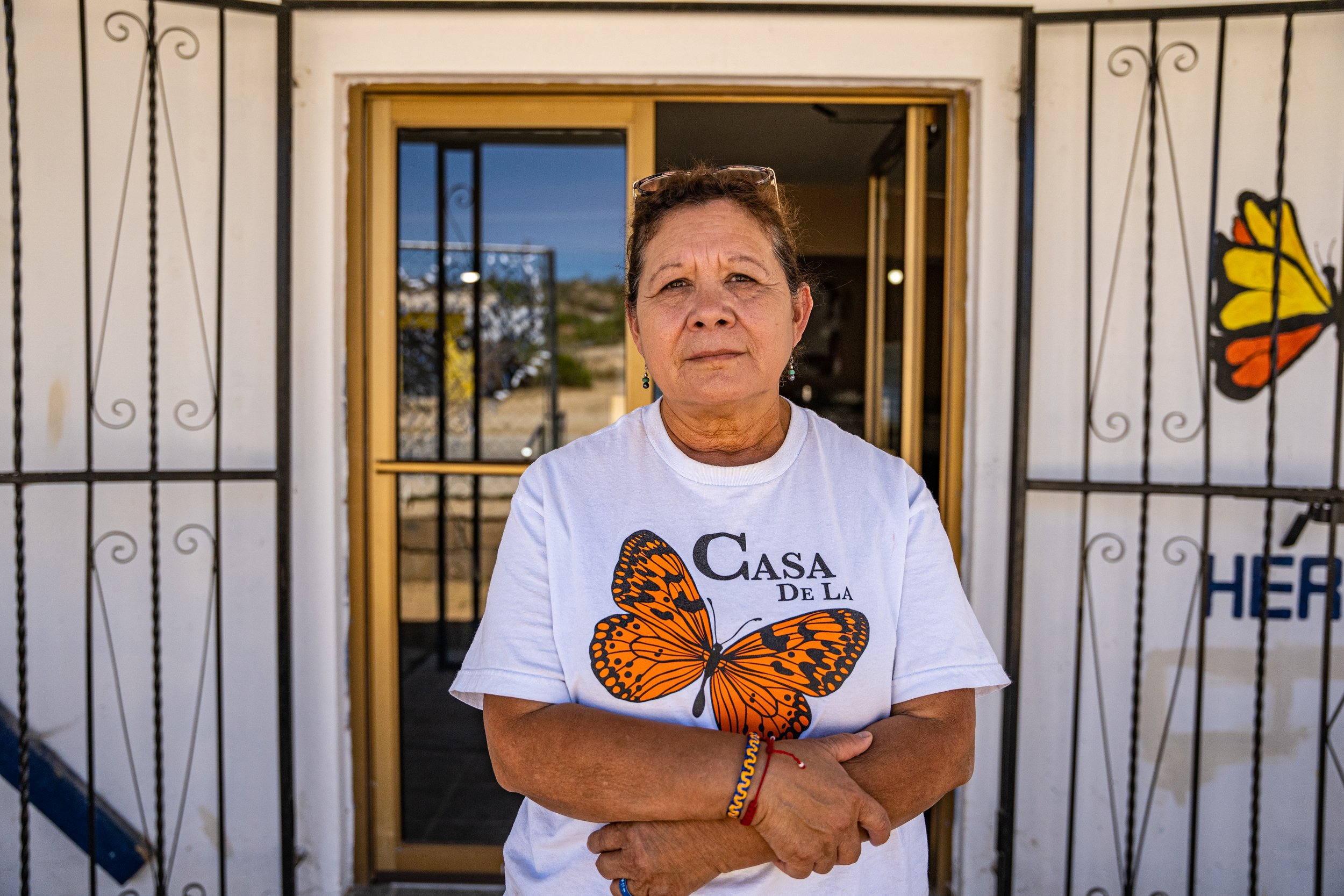
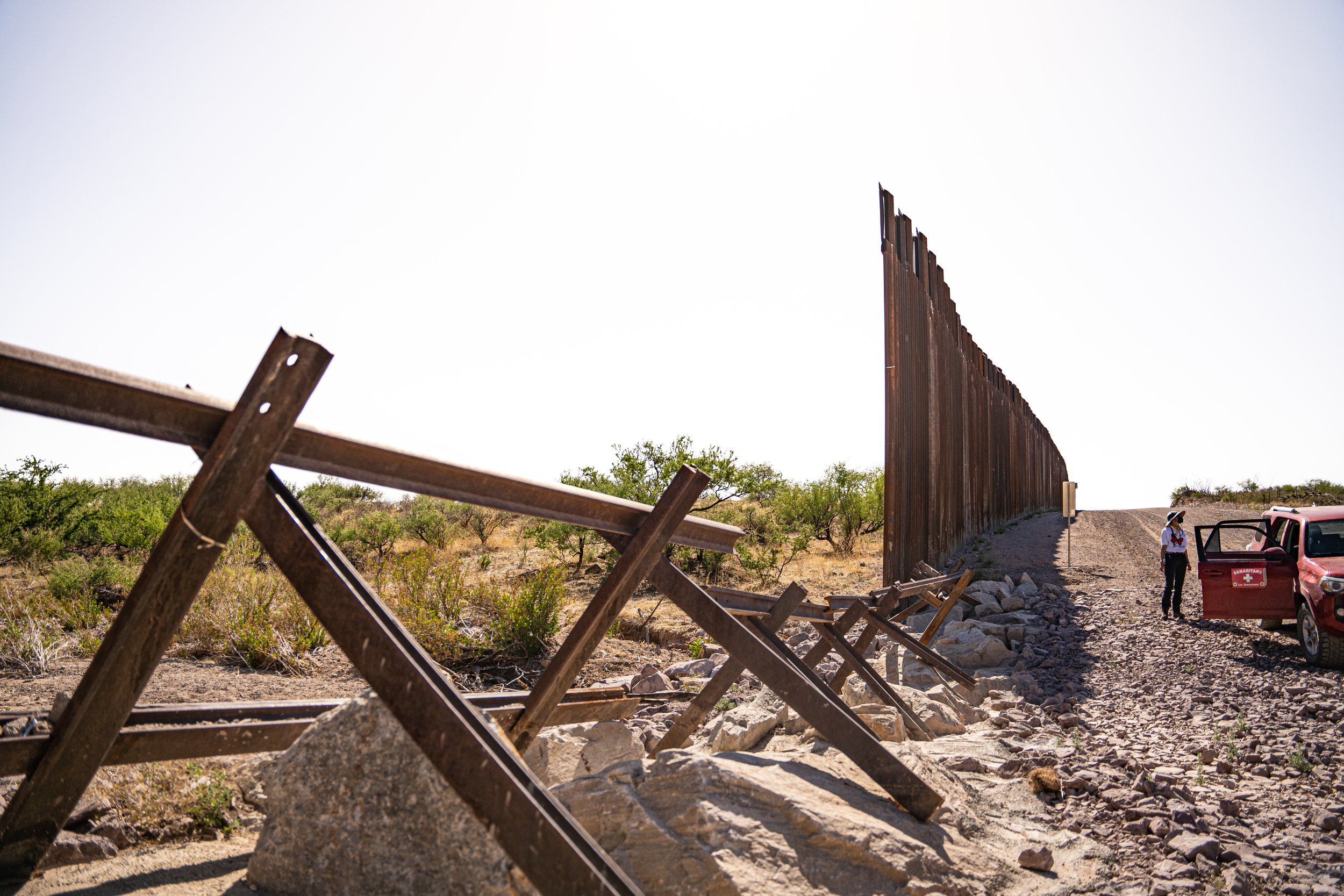
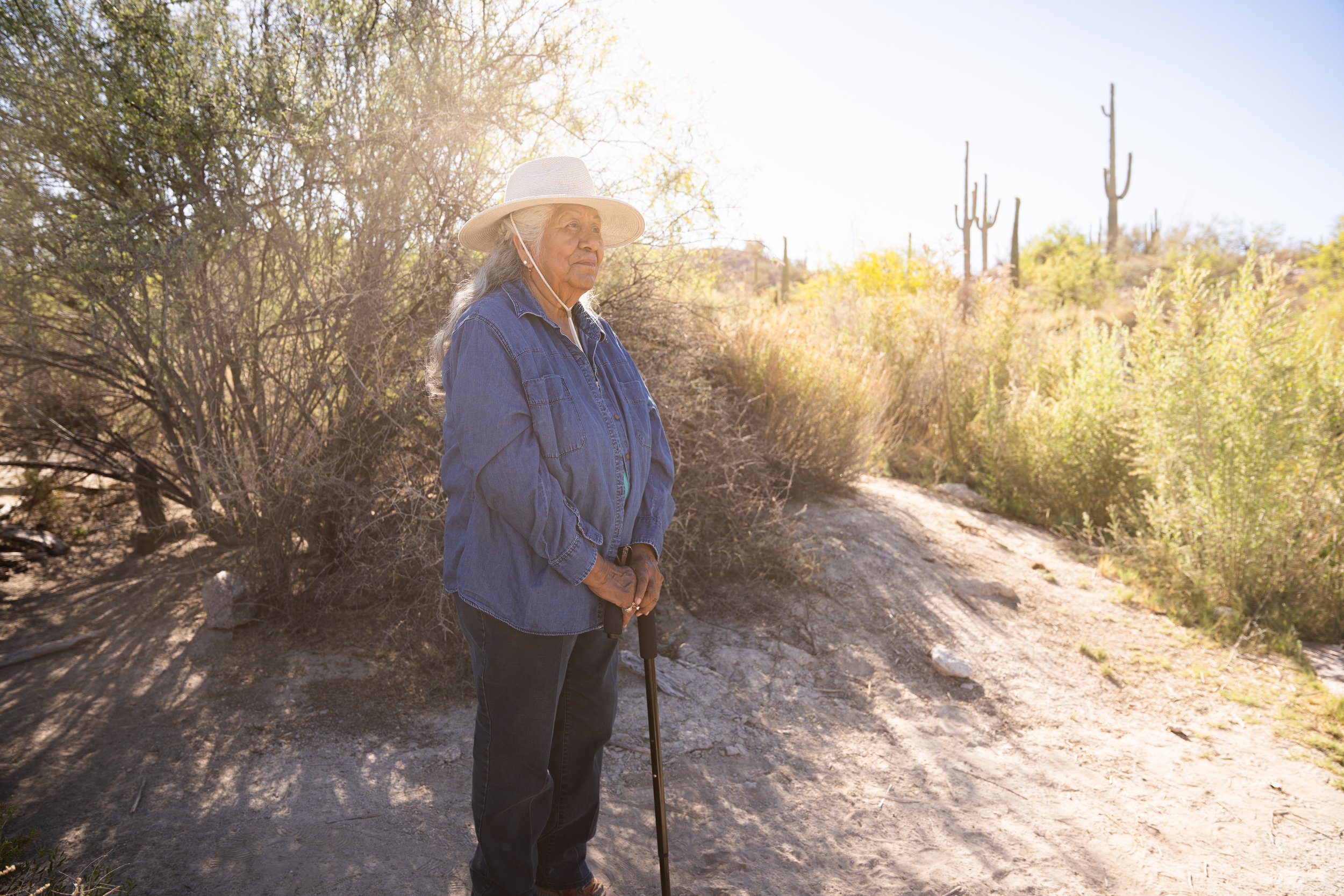
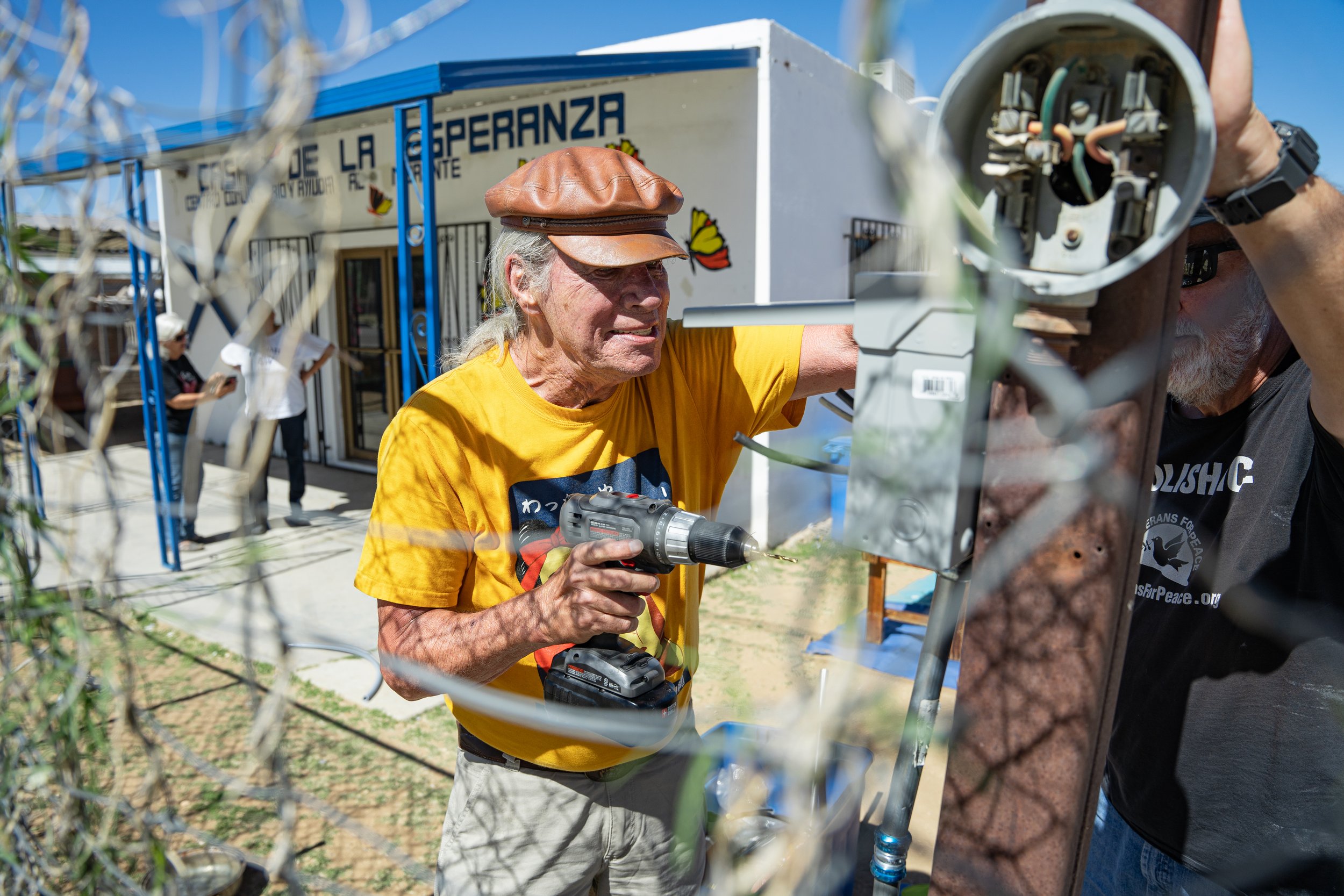
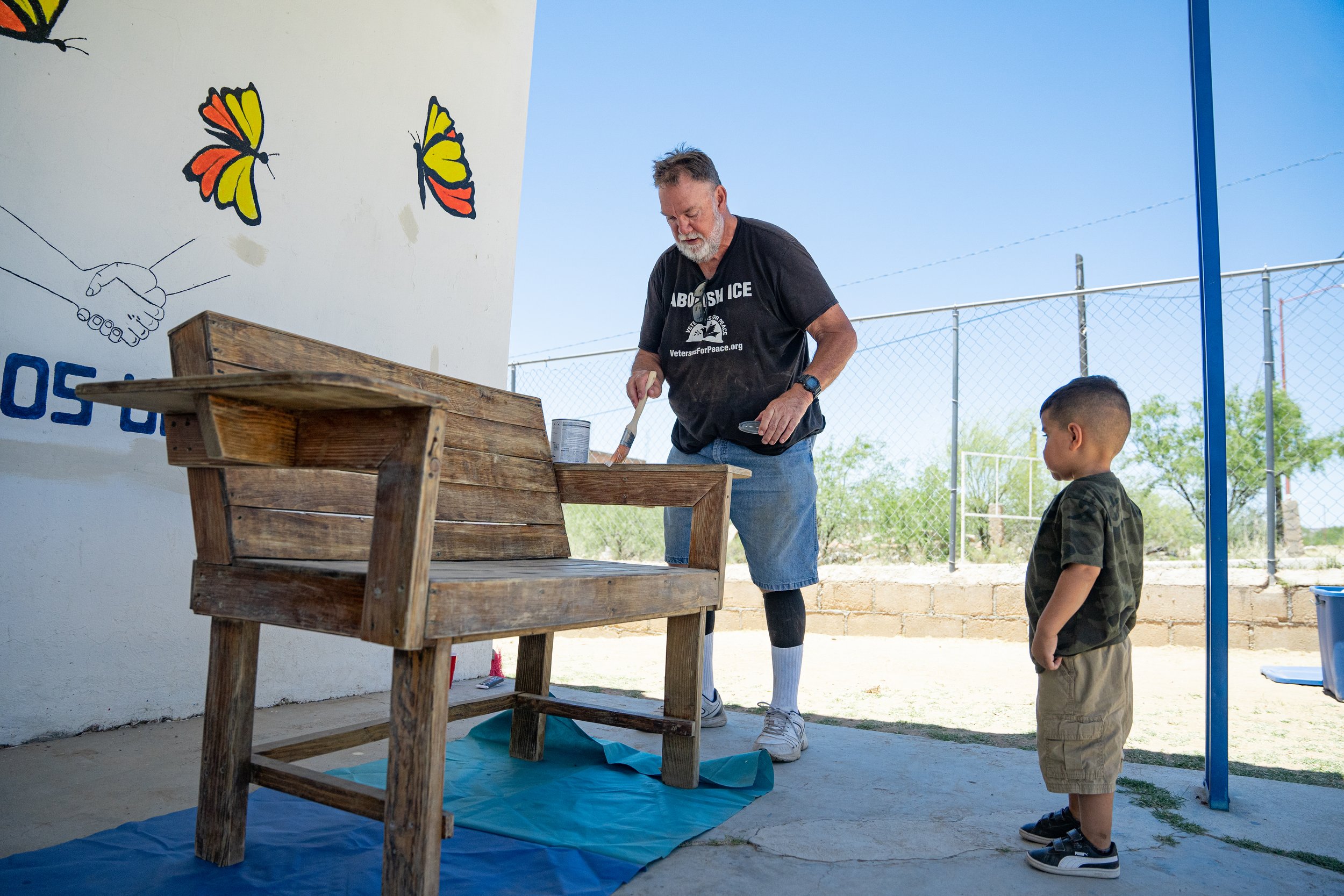
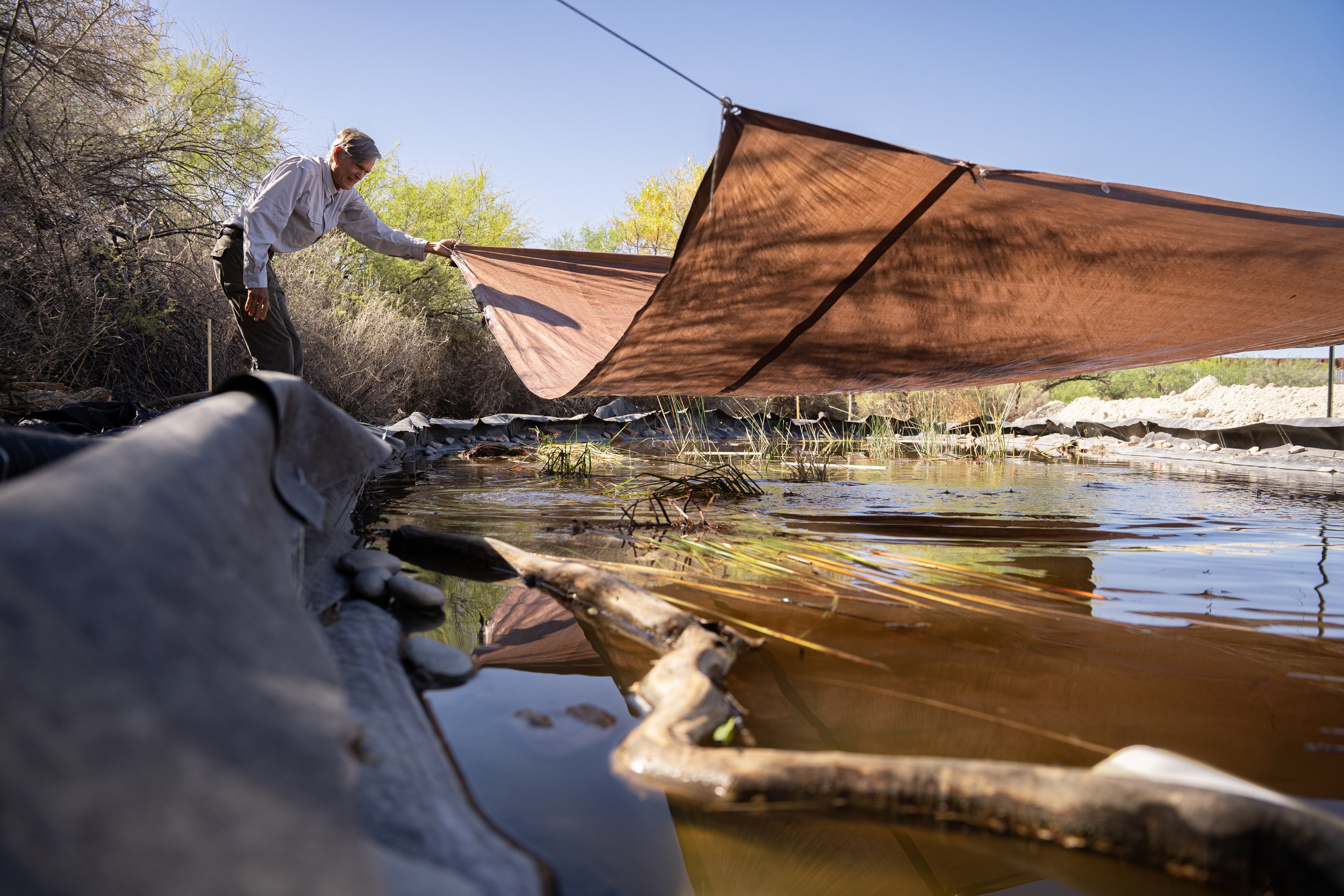
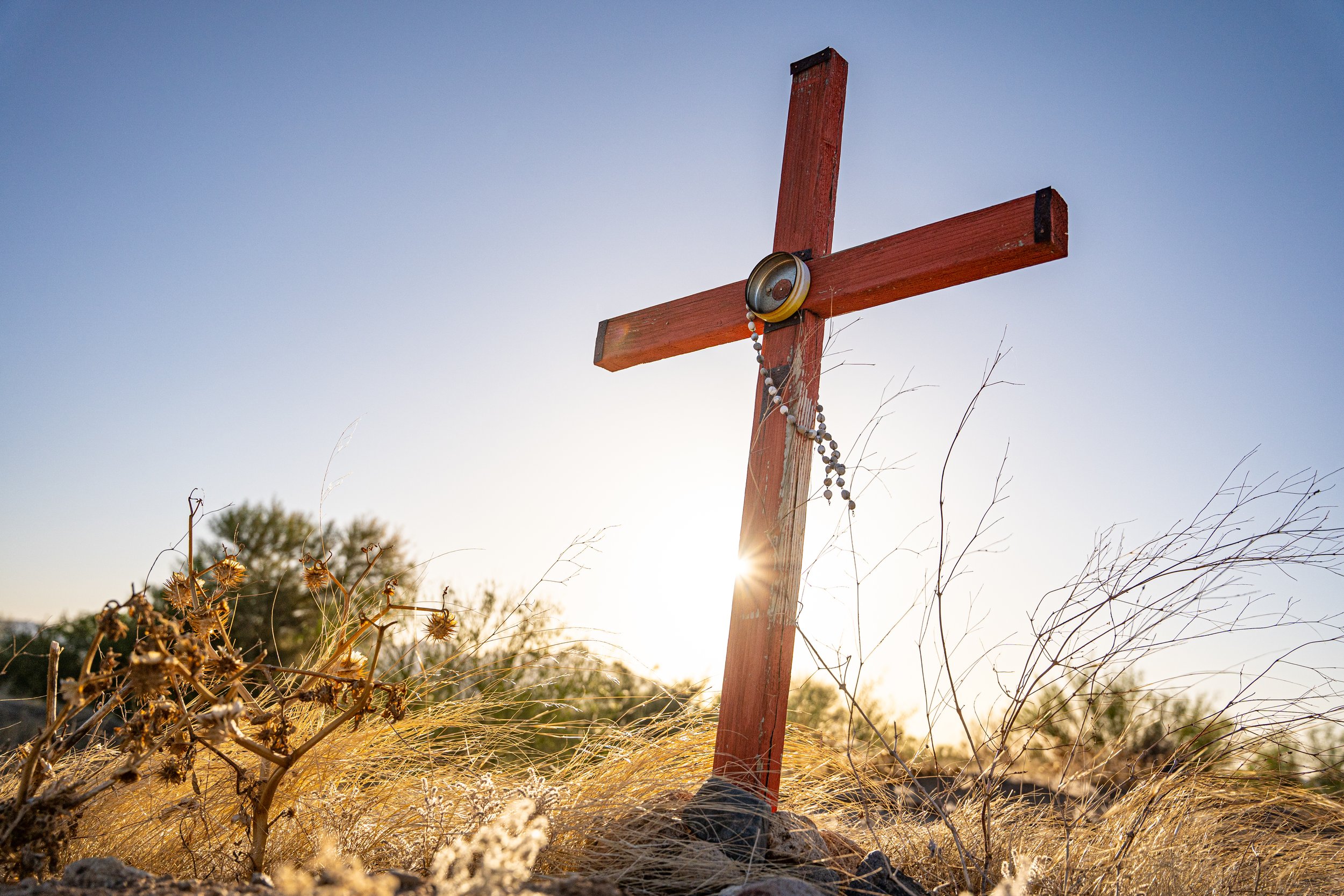
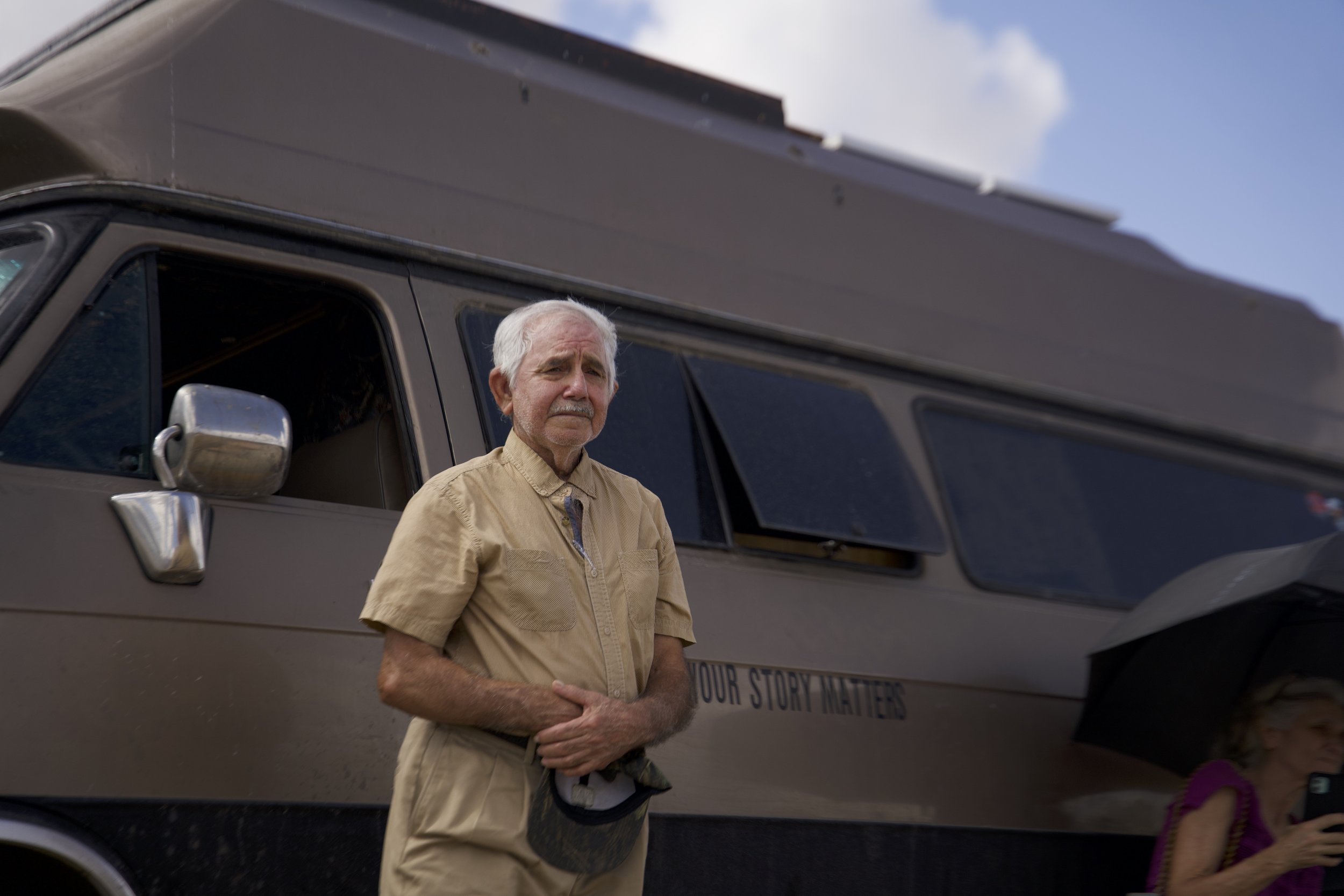
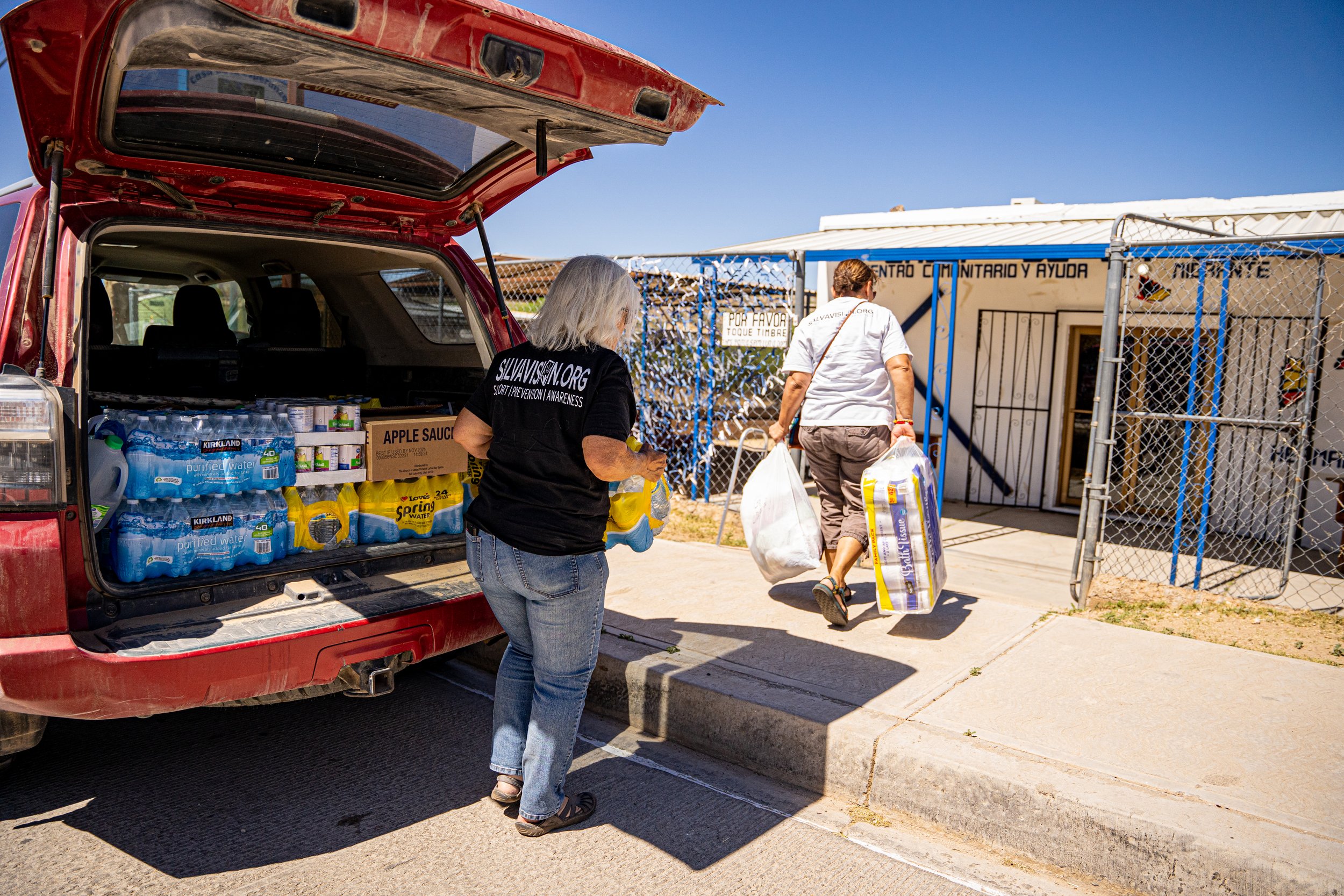
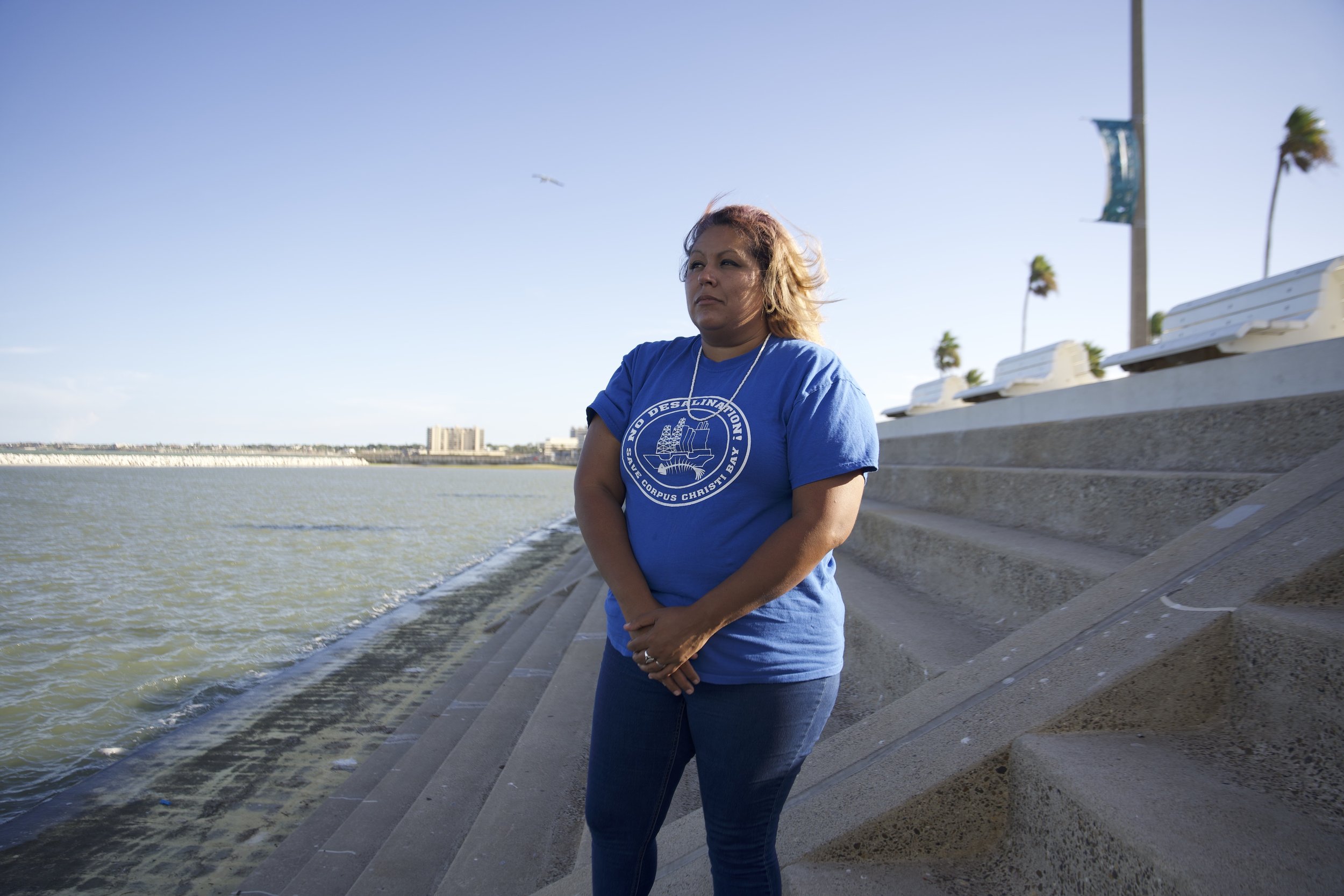
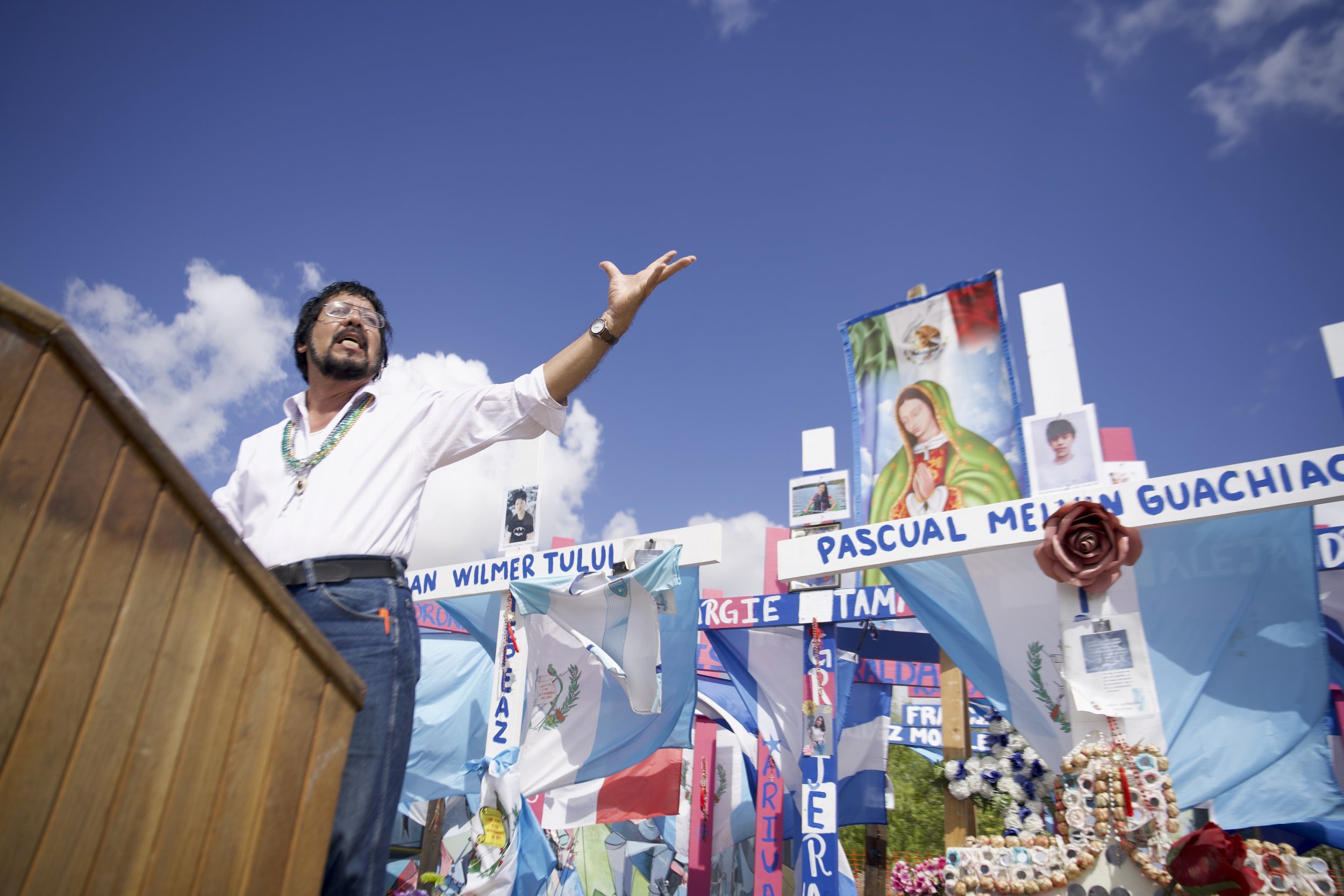
We spent two months in the Tucson and Ajo area of Arizona working with several groups, including Ajo Samaritans, ISDA, Quitobaquito Springs, Vets for Peace, Tucson Samaritans, Salavision, Sierra Club Borderlands, and Borderlinks. Later, in South Texas, the Rio Grande Valley, we documented and highlighted the work of more groups and individuals such as The National Butterfly Center, LUPE, The Sidewalk School, Practicing Mercy Foundation, Los 53 Migrants Memorial, Team Brownsville, Dulce Refugee Shelter, and Texas Civil Rights. We are putting together a series of short stories about the border and potentially a longer documentary film.
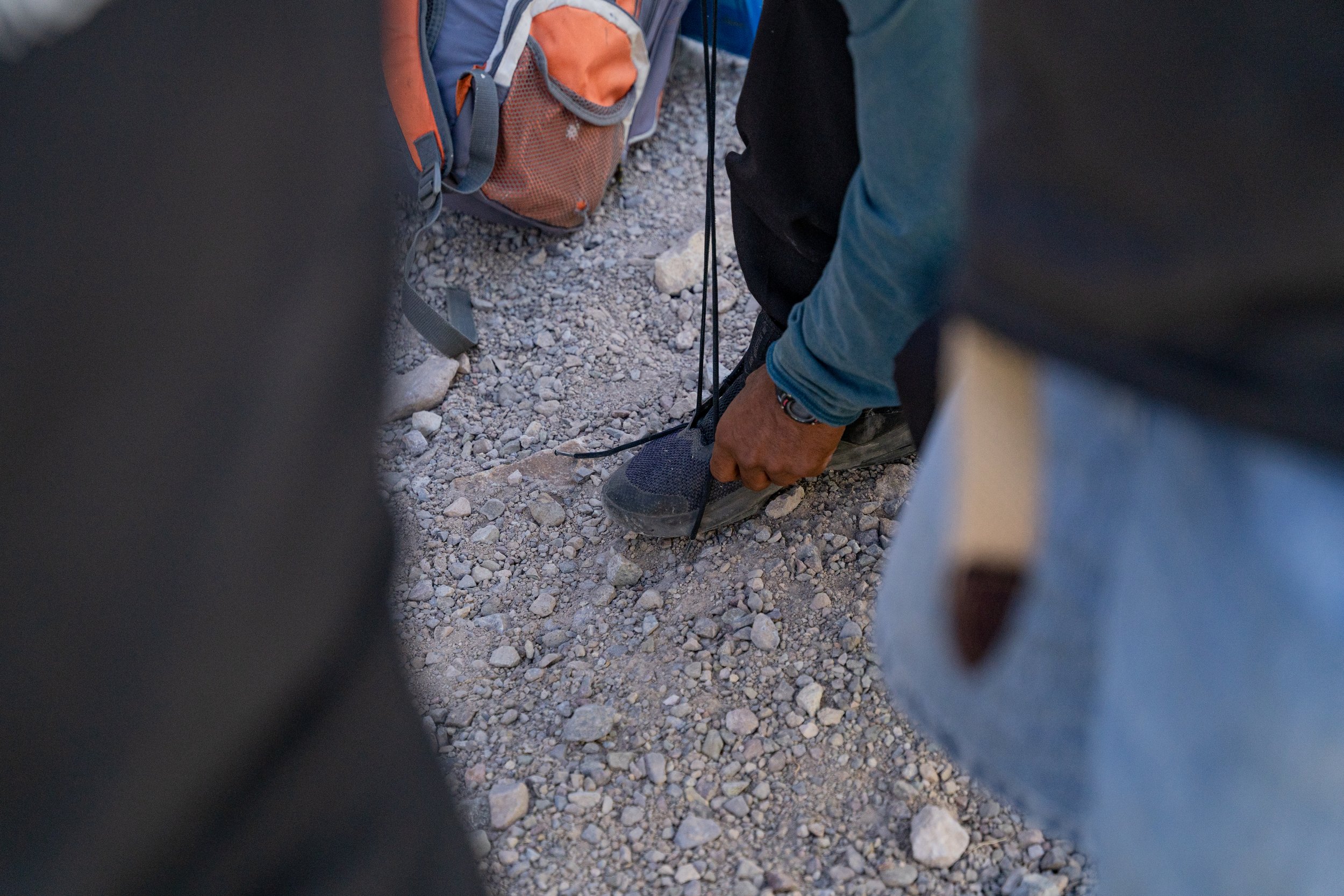
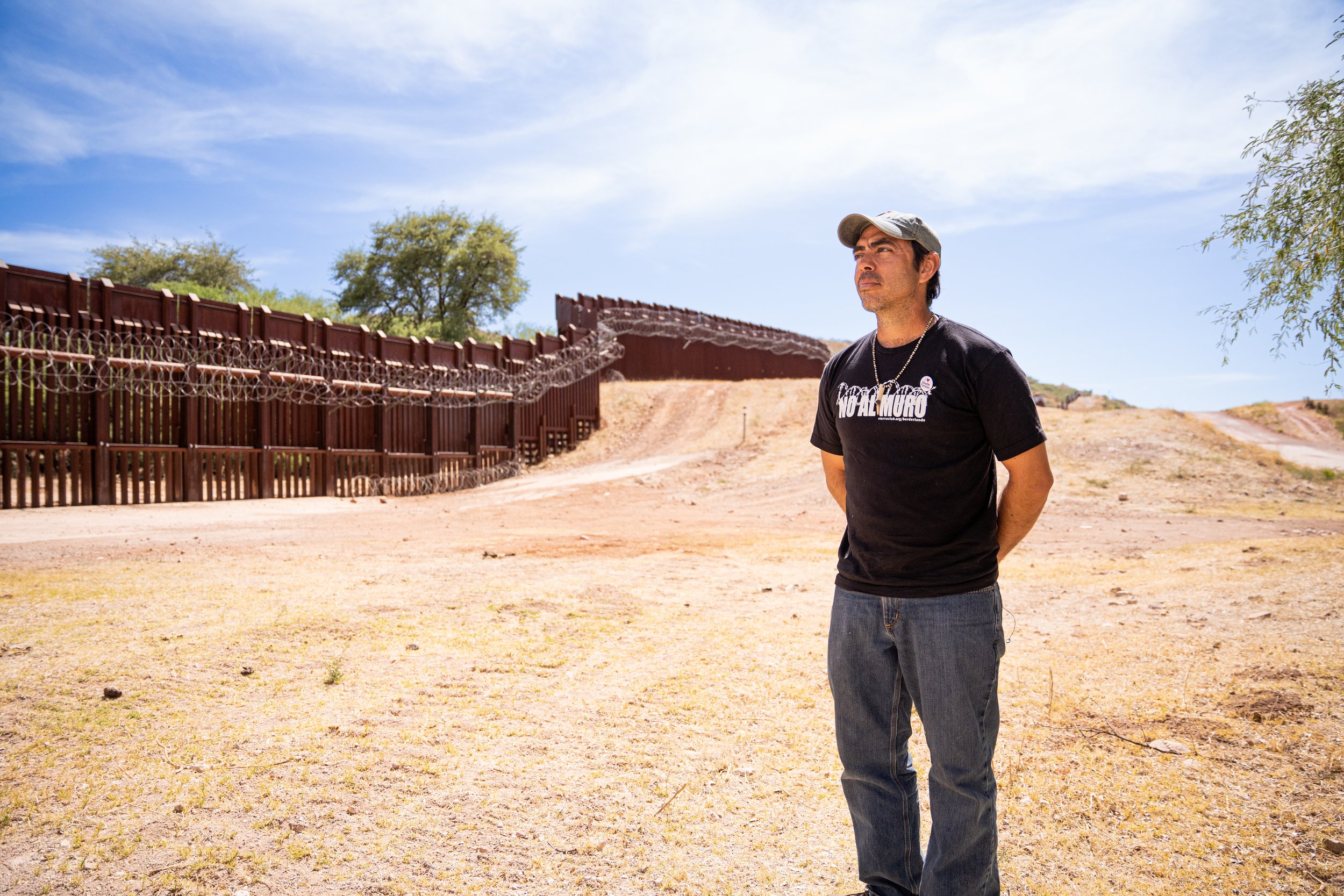
Our goal is to do our part to educate and humanize the space that has become so demonized by first highlighting and celebrating the individuals and organizations who have dedicated their time and energy to bring aid, hope, and love to some of the most vulnerable groups, refugees, and migrants. Secondly, we highlight those working to restore and protect crucial, sensitive, and protected lands. The environment in the southern USA and along the border is one of the country’s most biodiverse regions. It has been hit hard by border wall construction, climate change, failed policies, and other infrastructure. By doing this project, we can educate and give us all tools to help shift and correct the narrative coming out about this space and empower us to have conversations with friends, co-workers, and family. This is how real, lasting change happens.
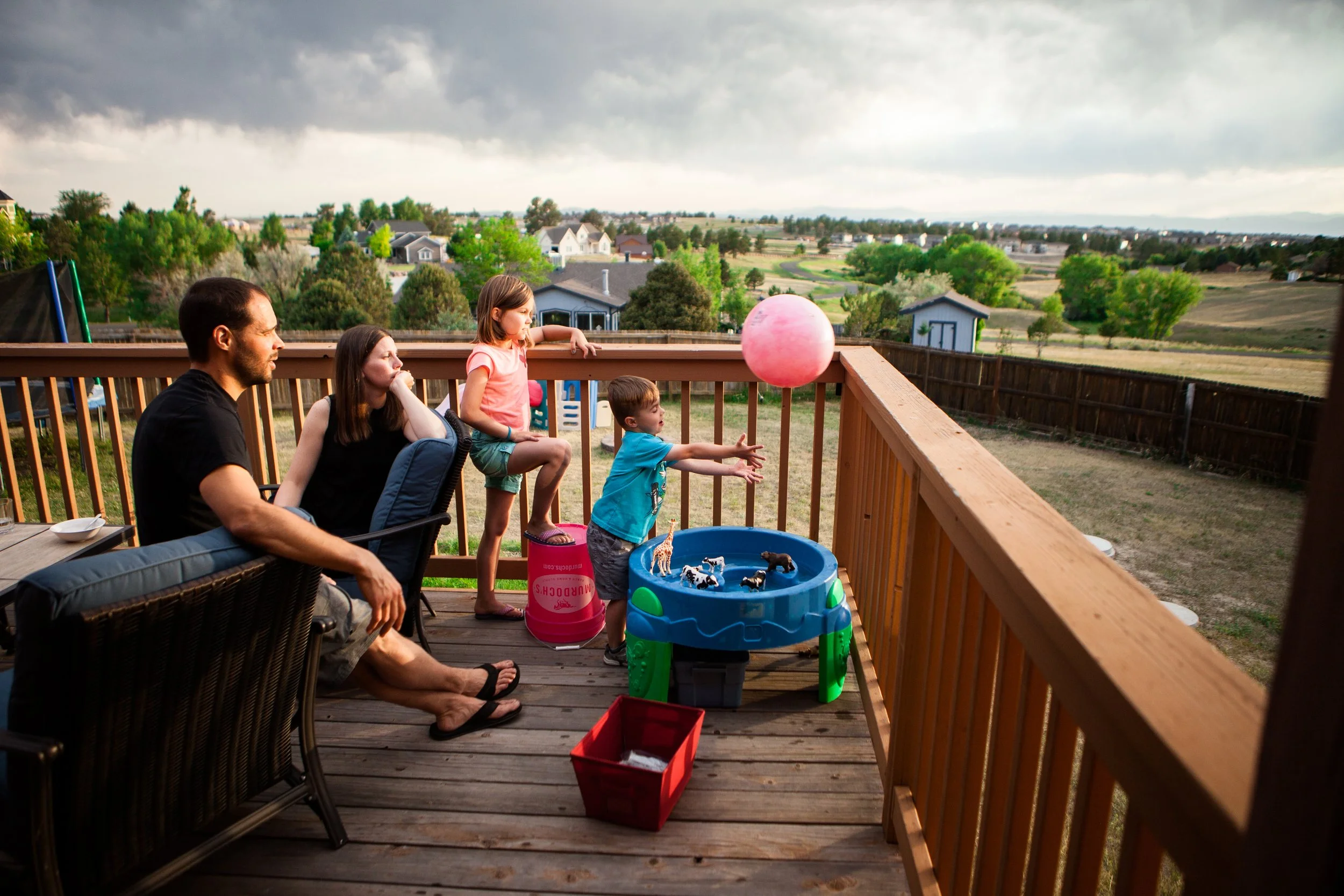
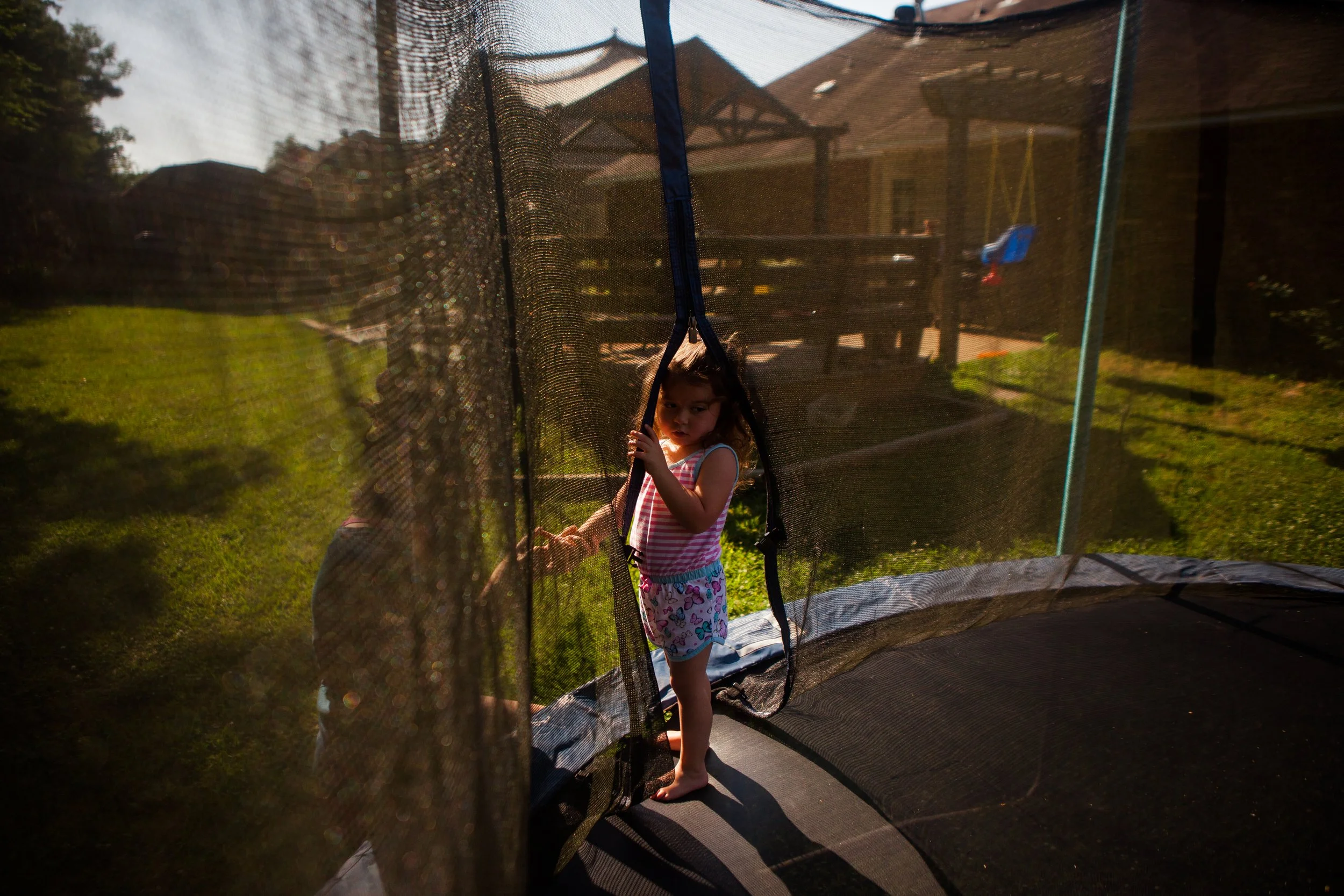
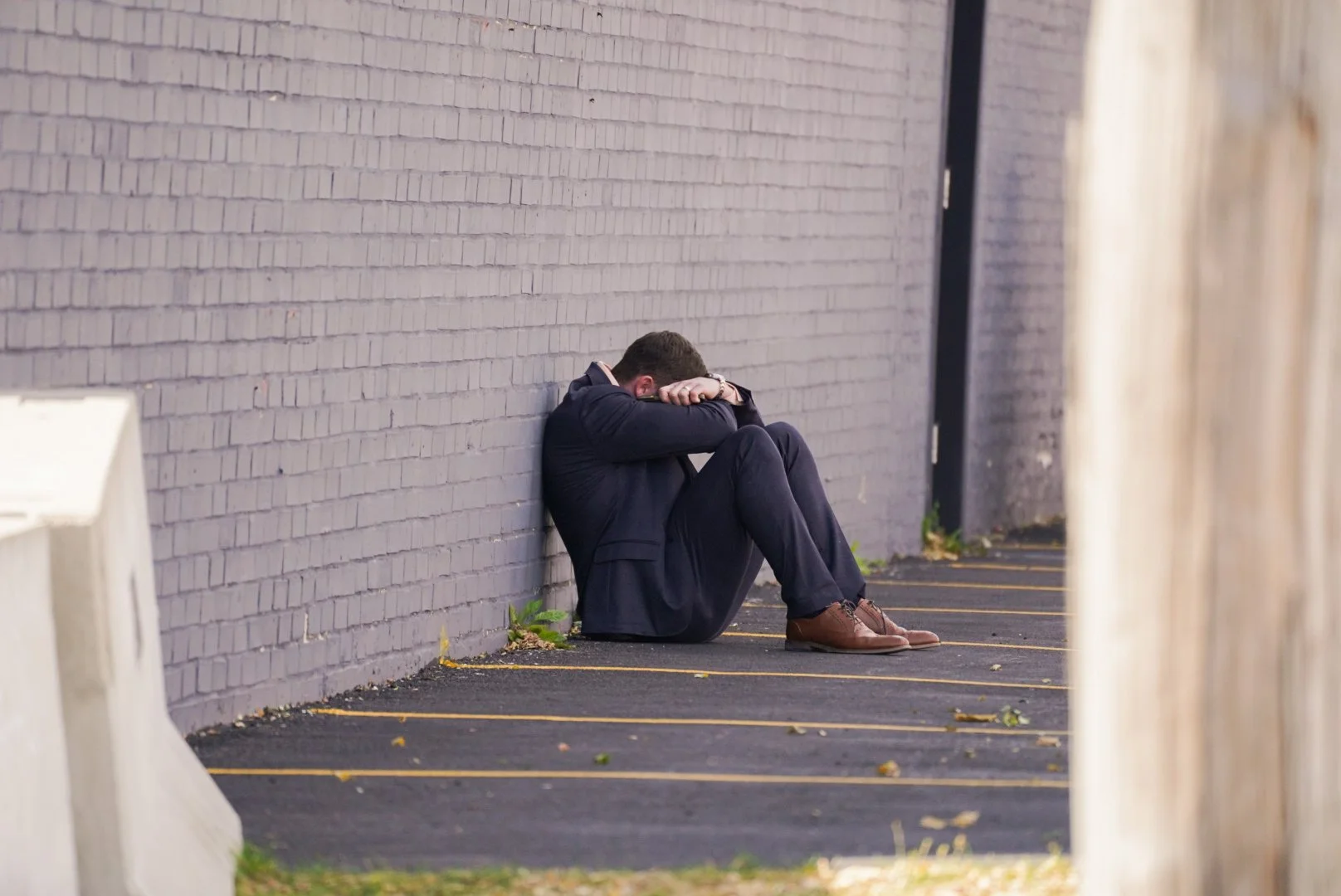
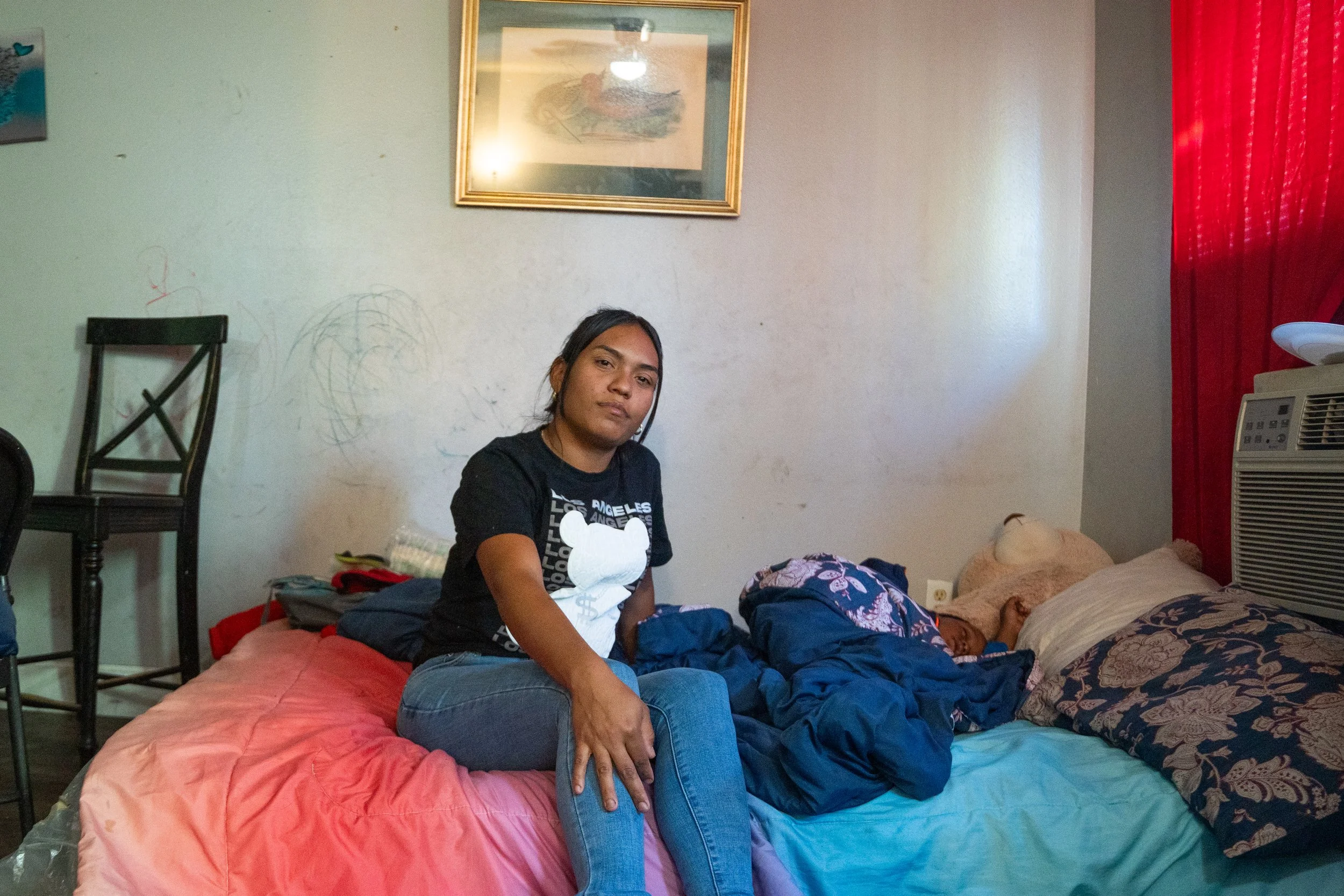
In 2024, I returned to the California borderlands and later spent time with immigrant families in Aurora, Colorado.
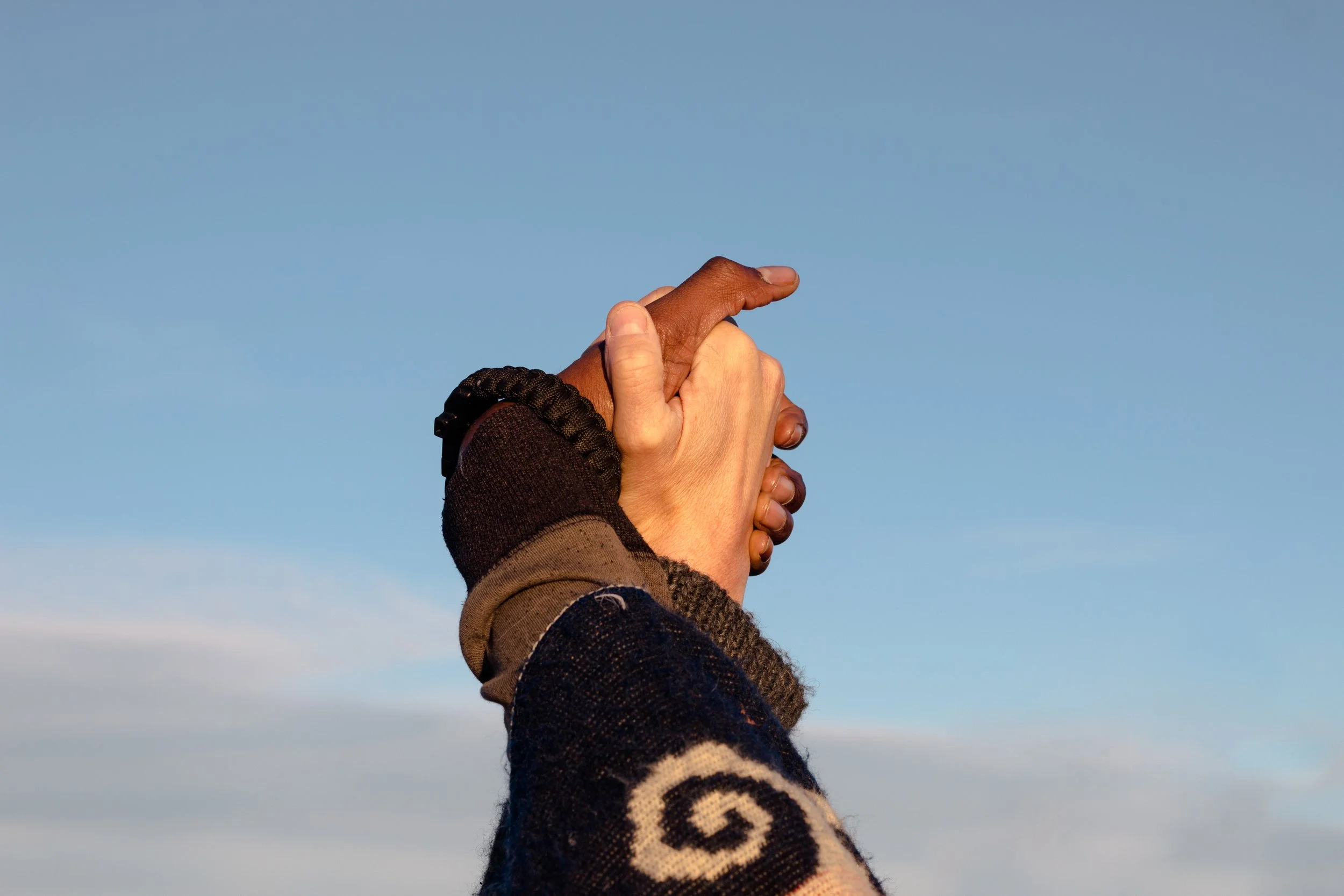





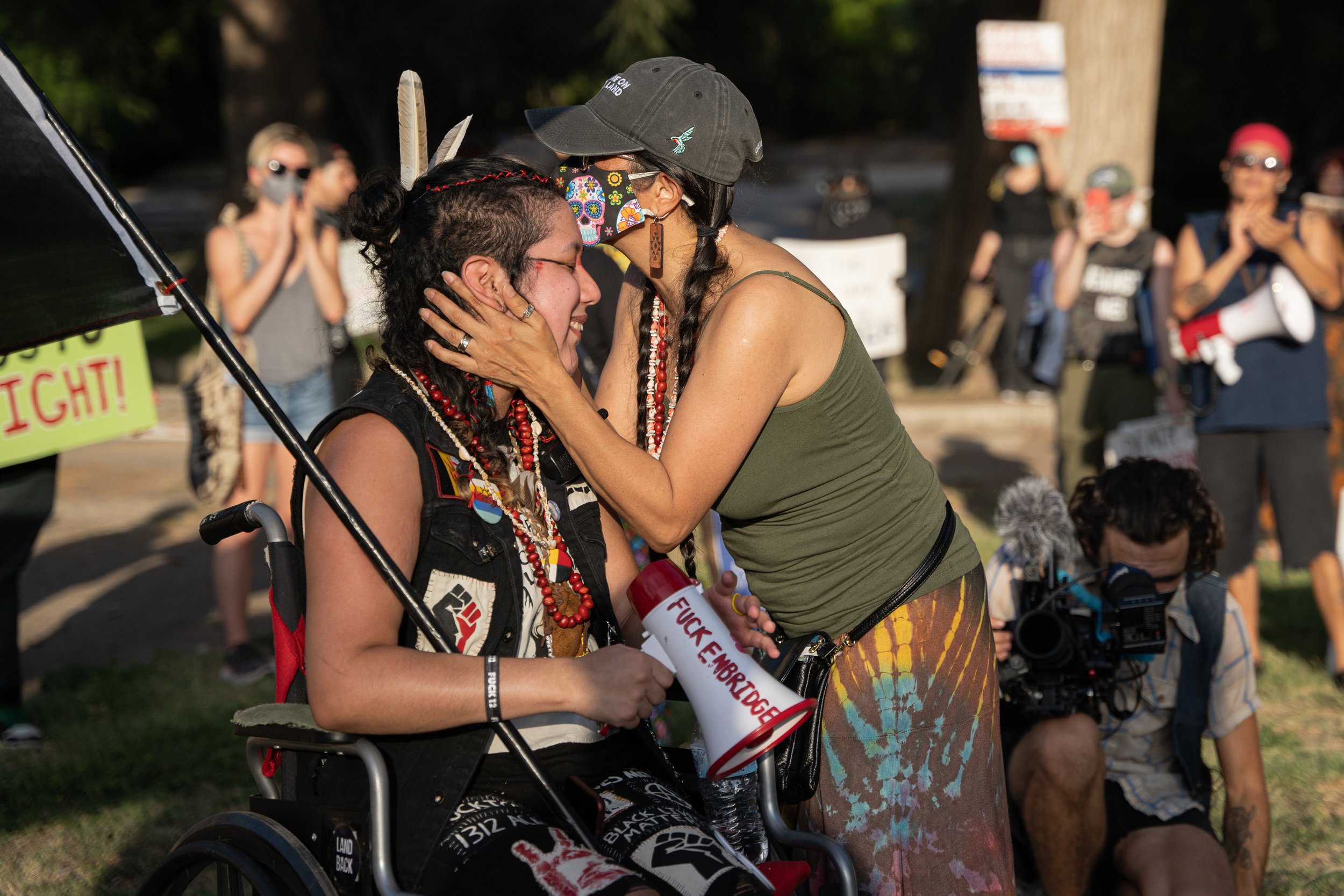
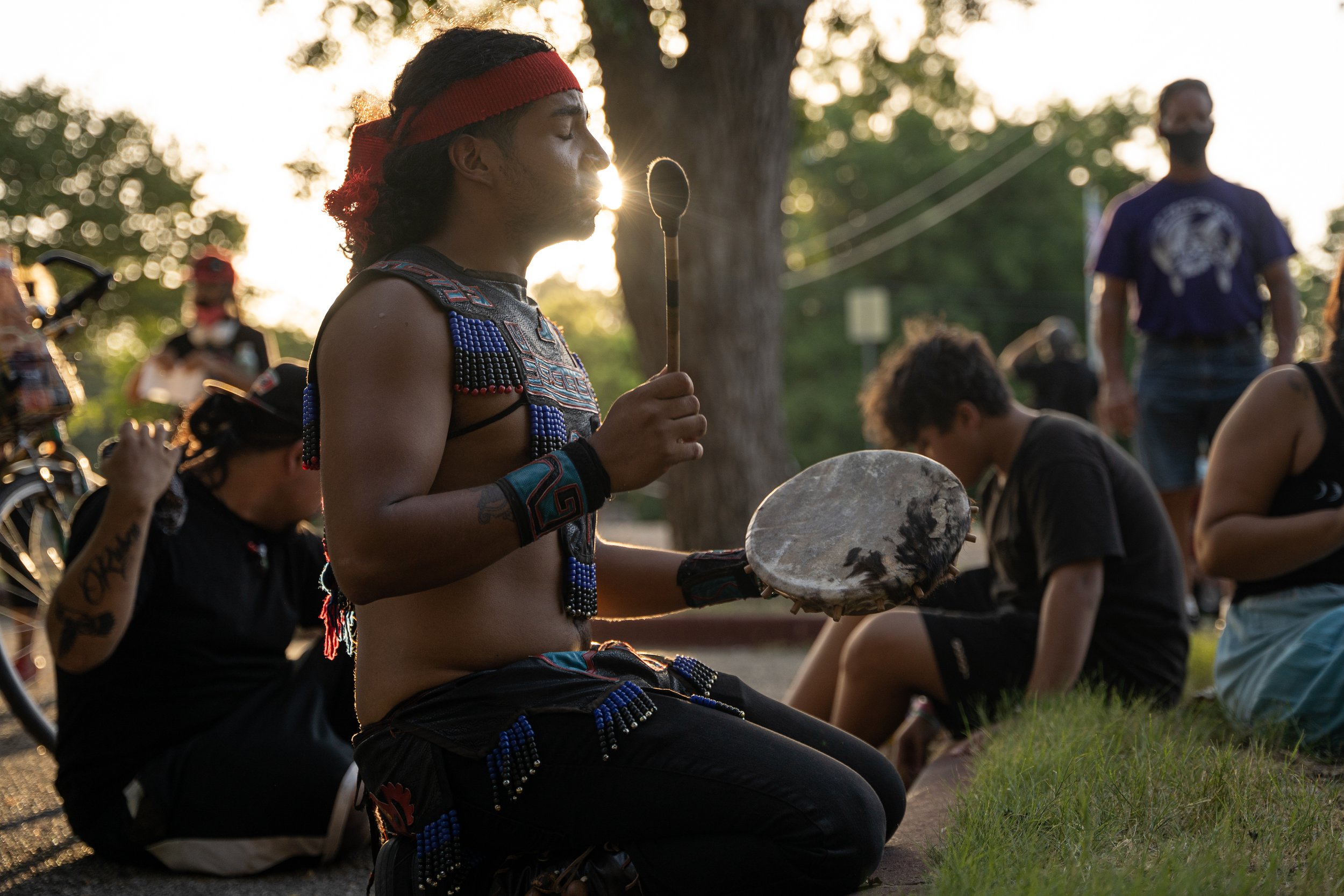
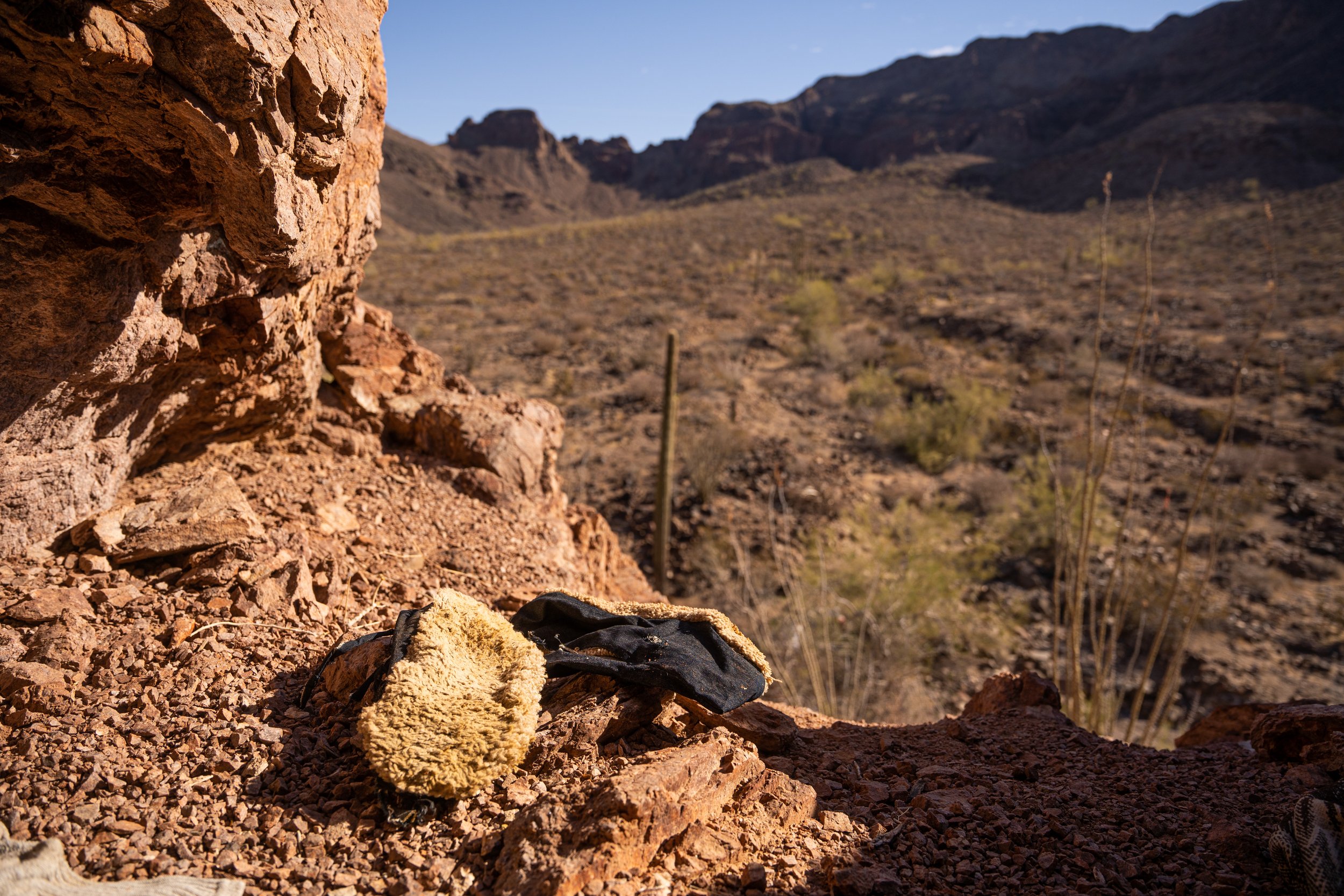
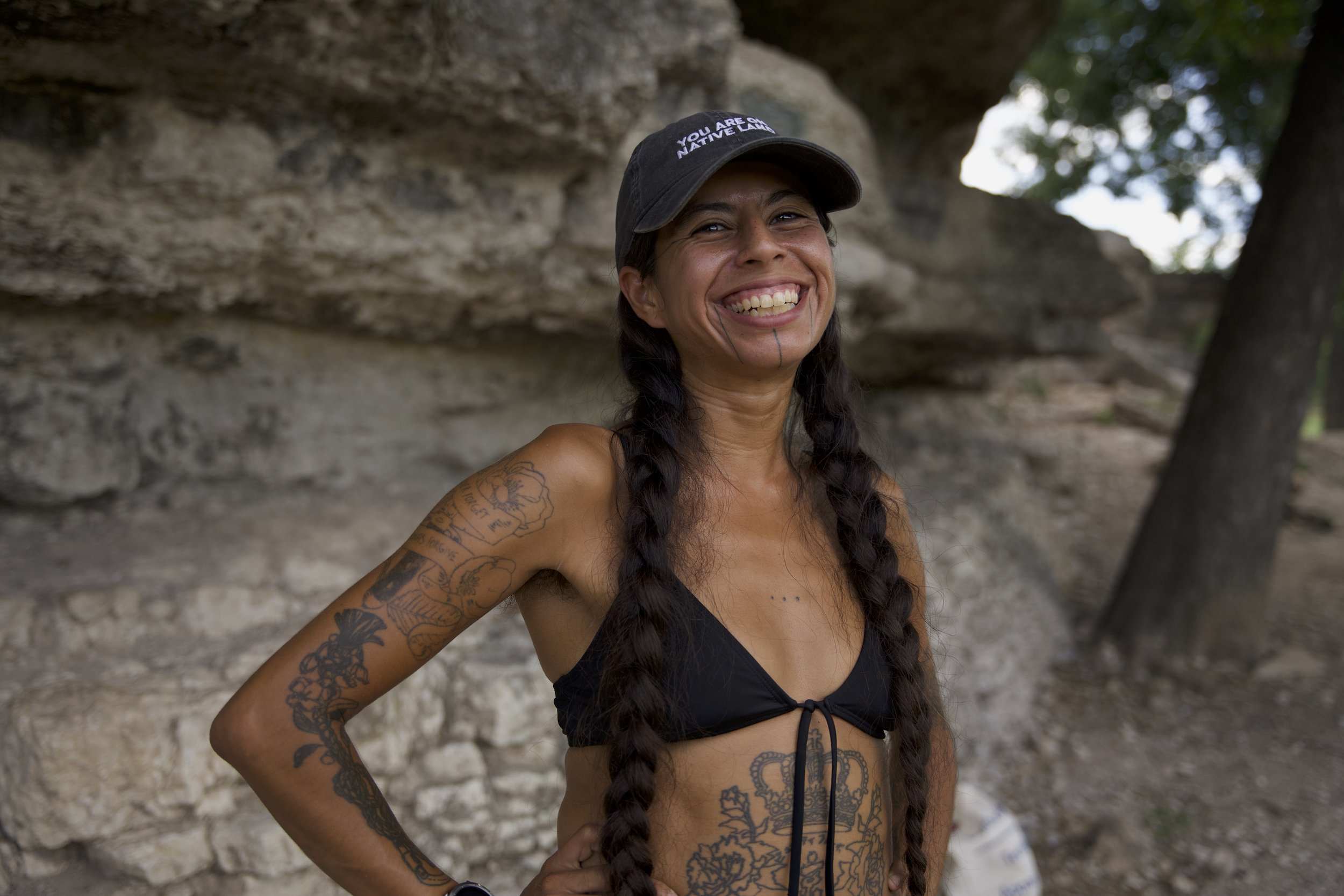
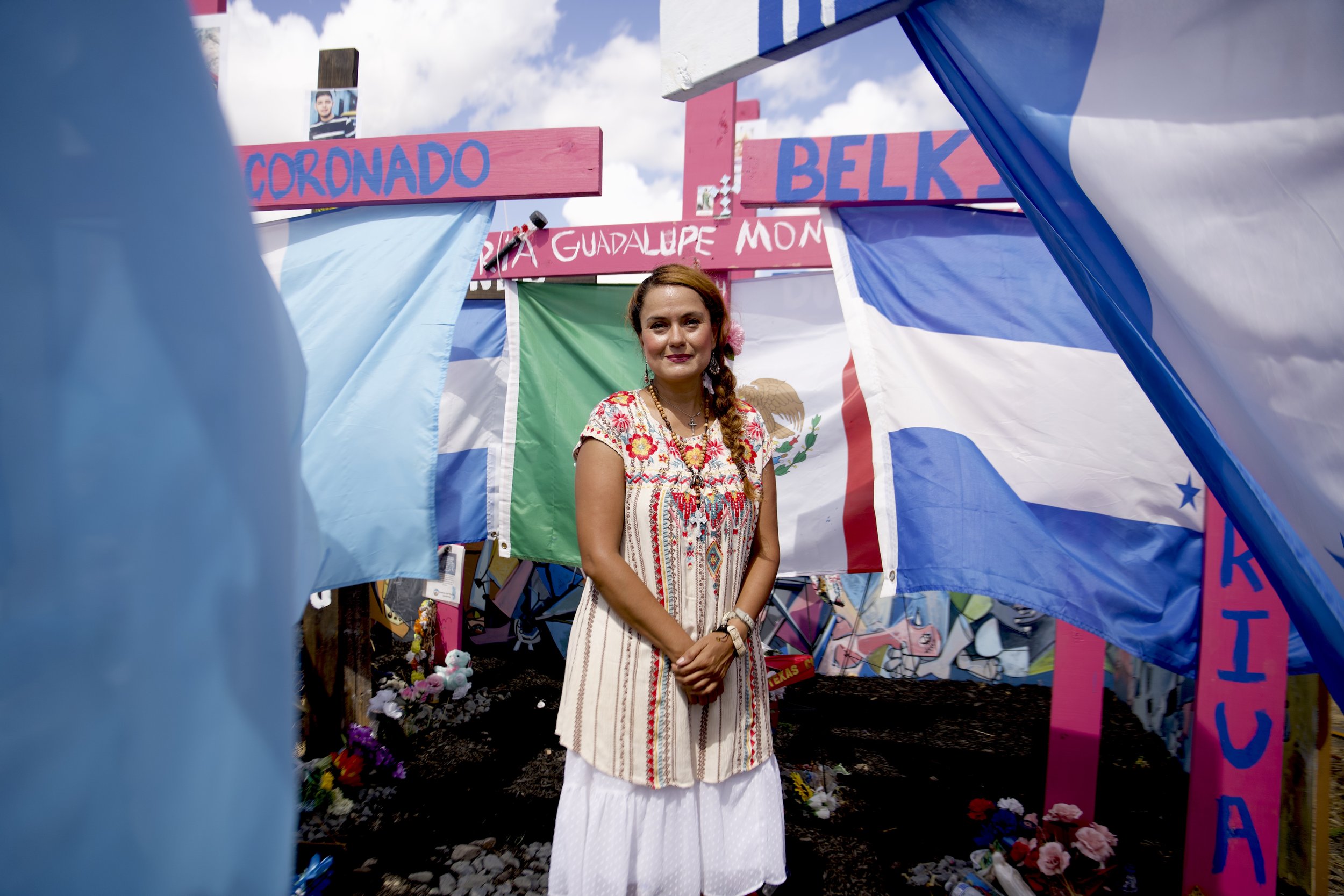




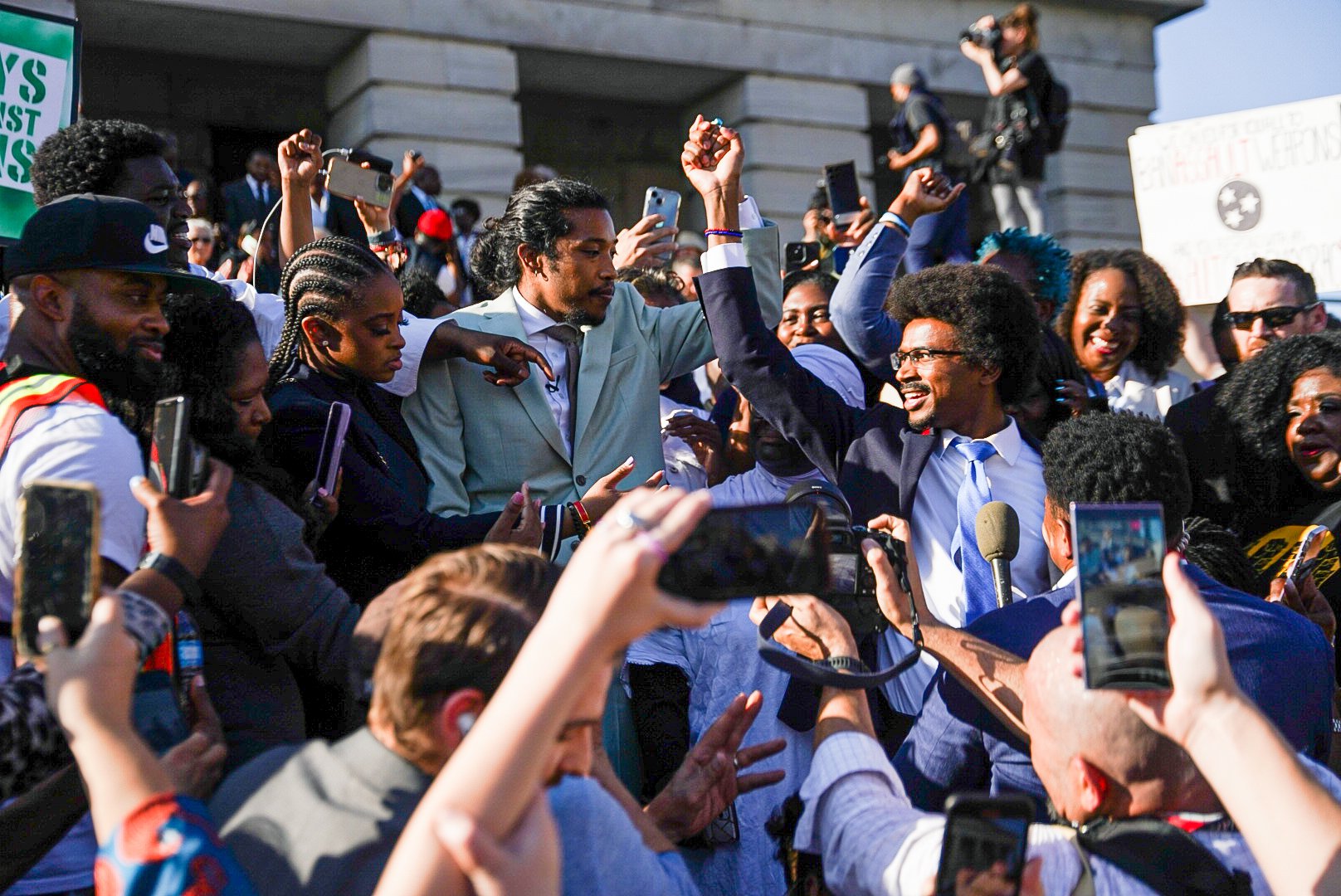
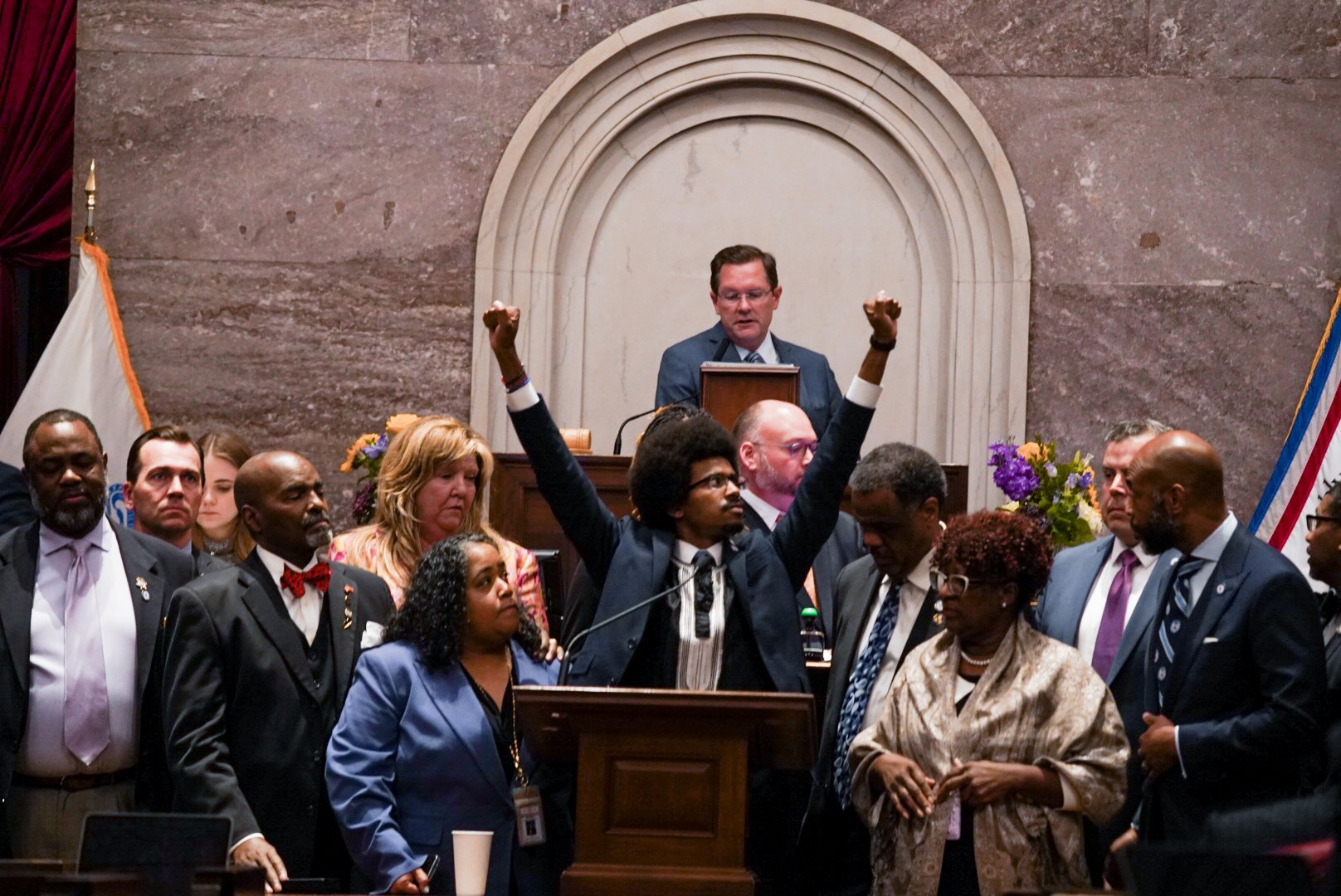
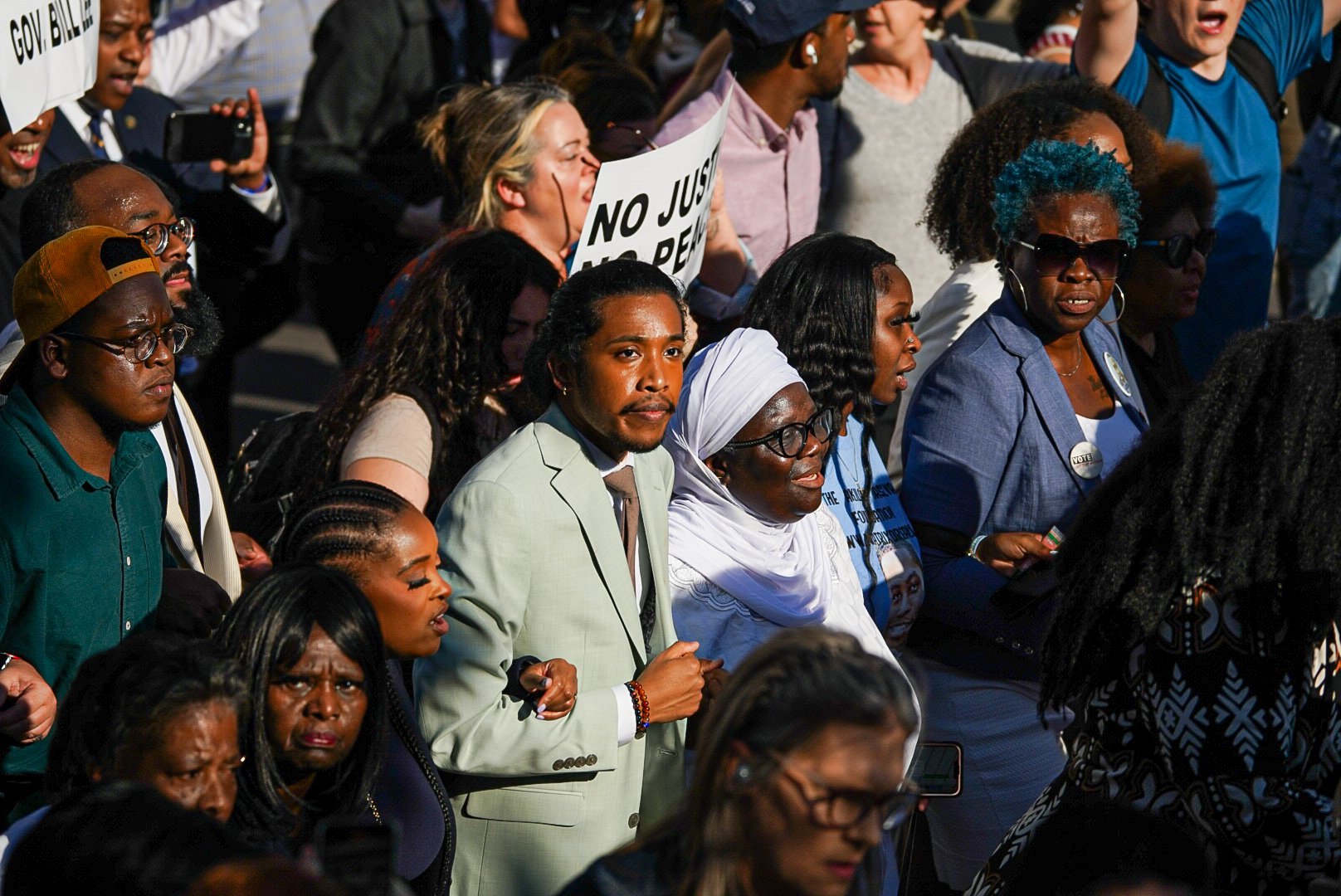
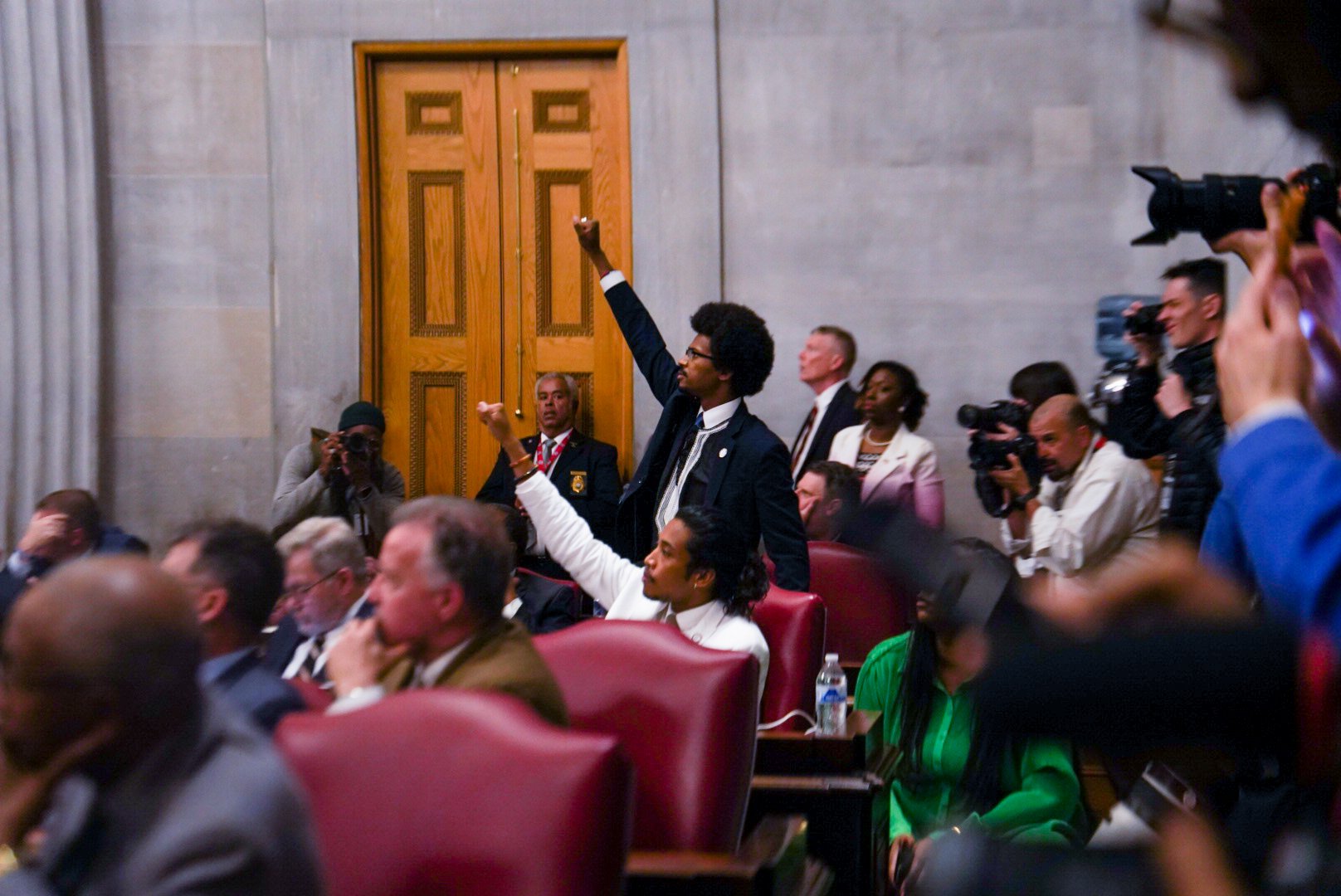
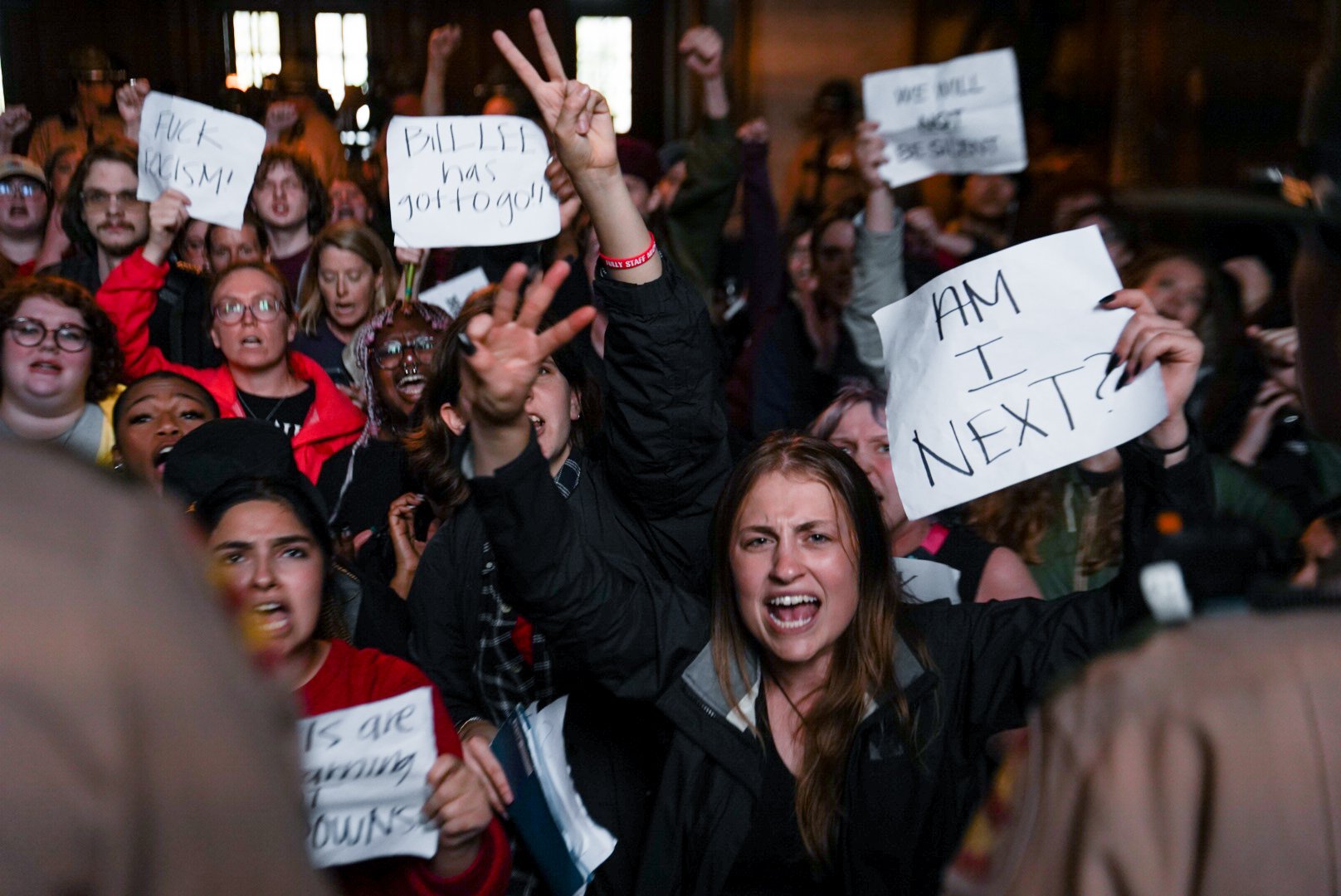
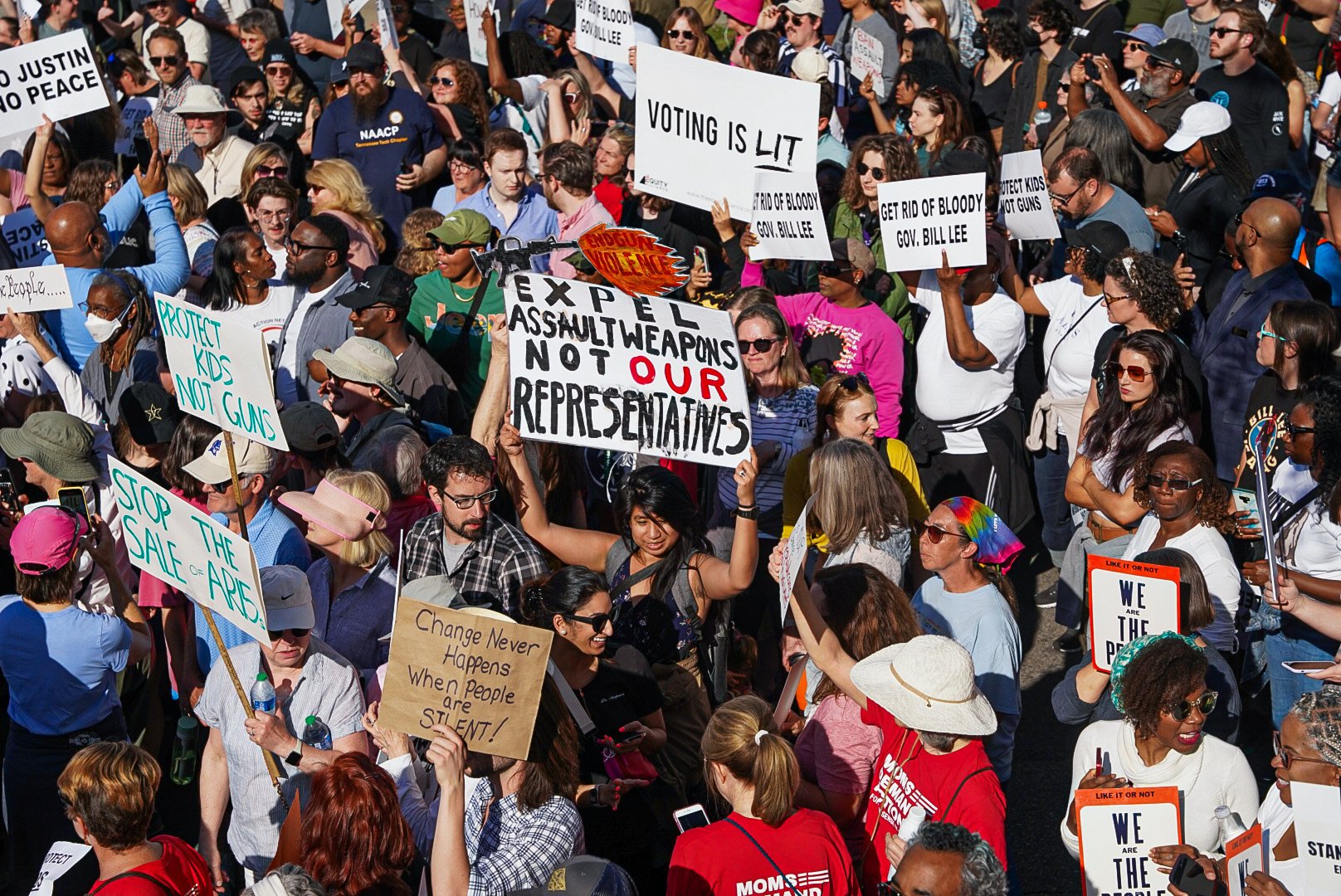
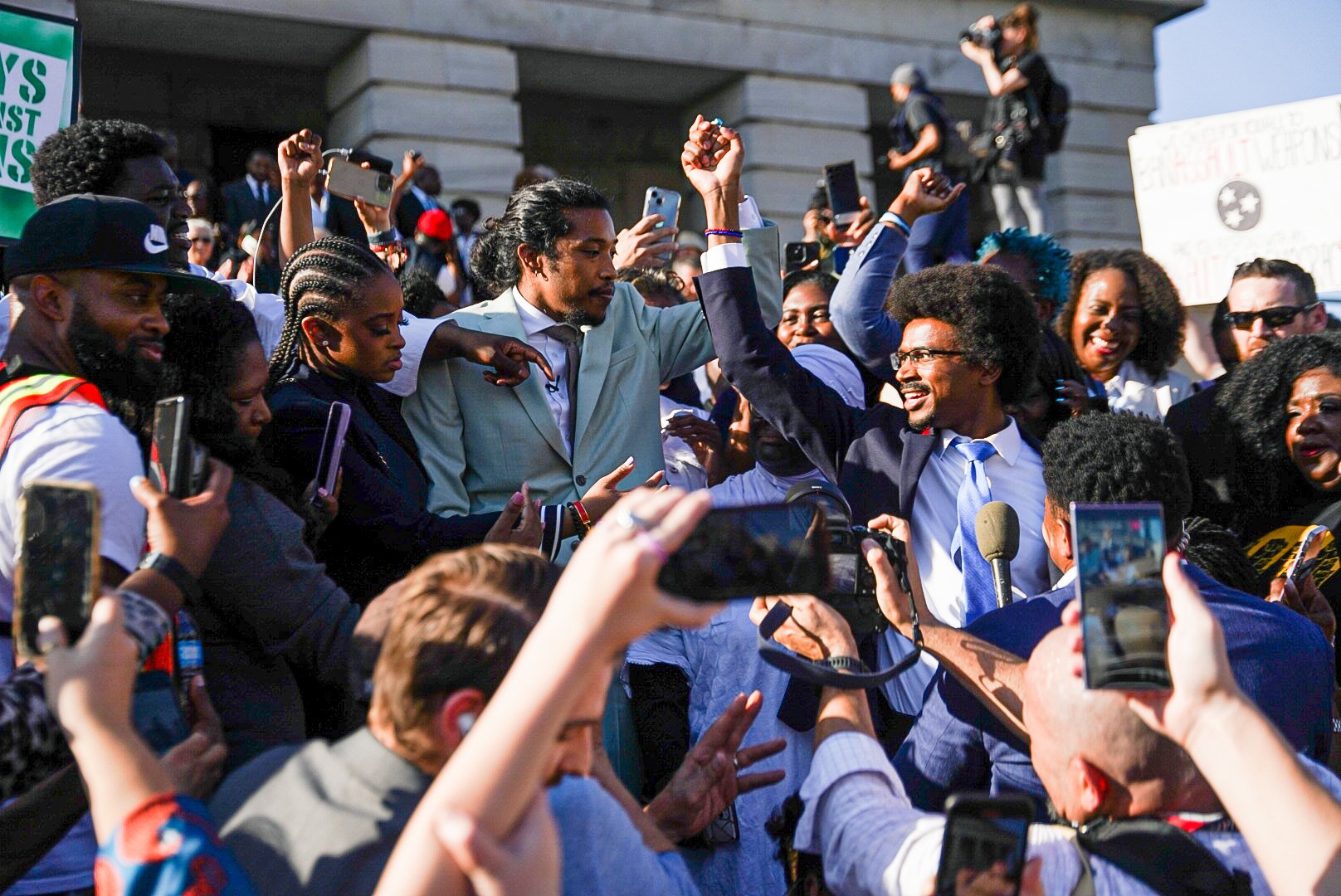
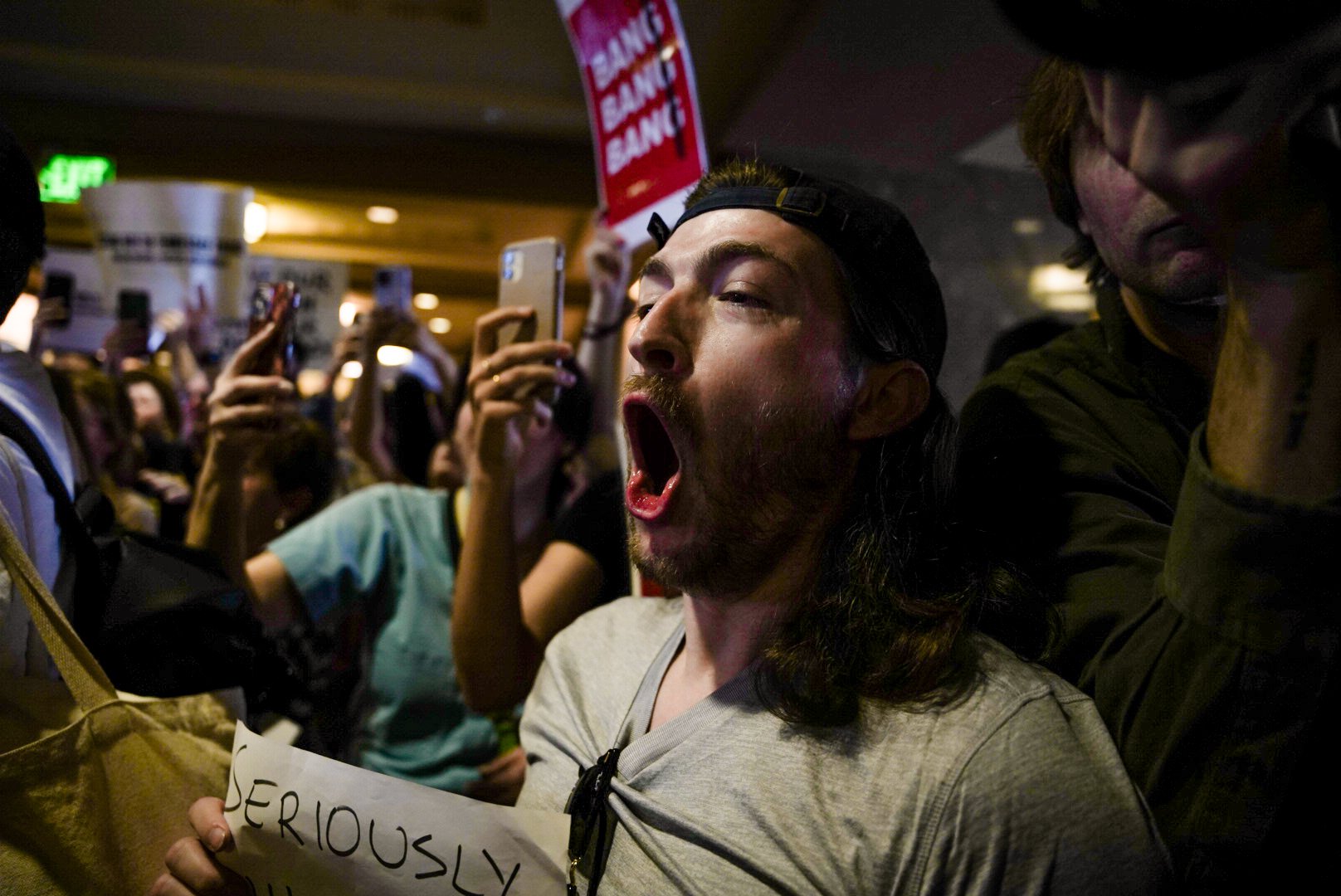
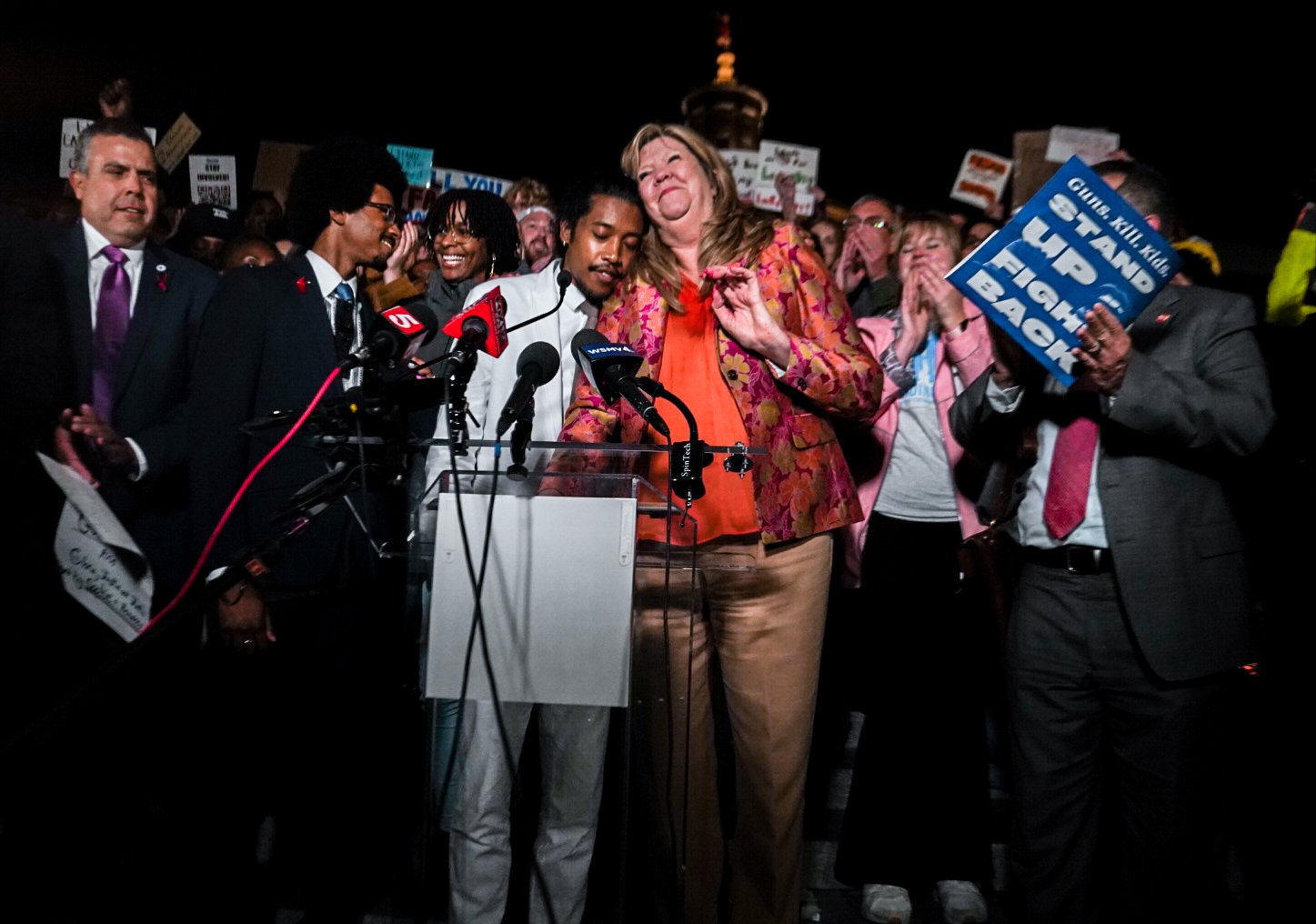
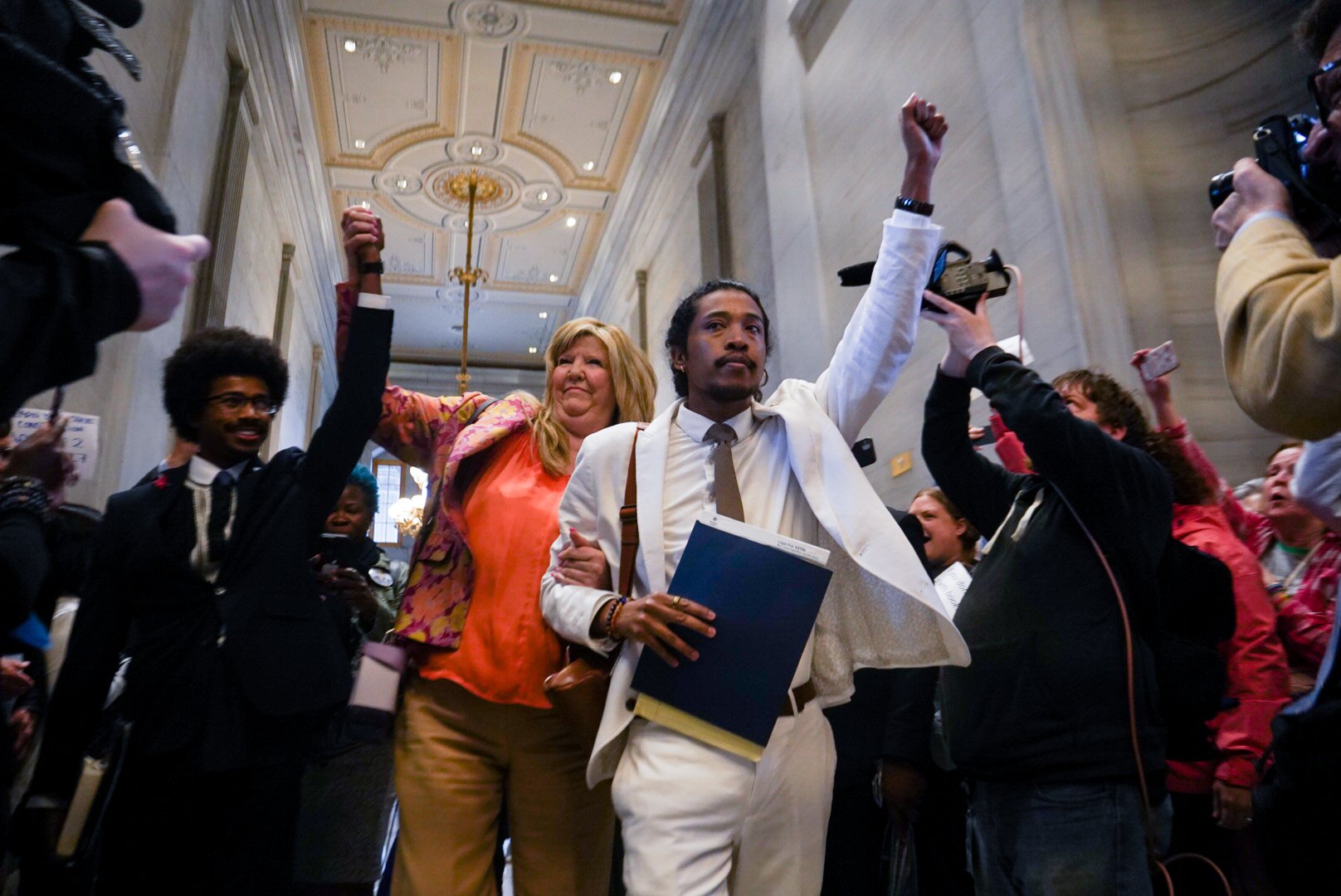
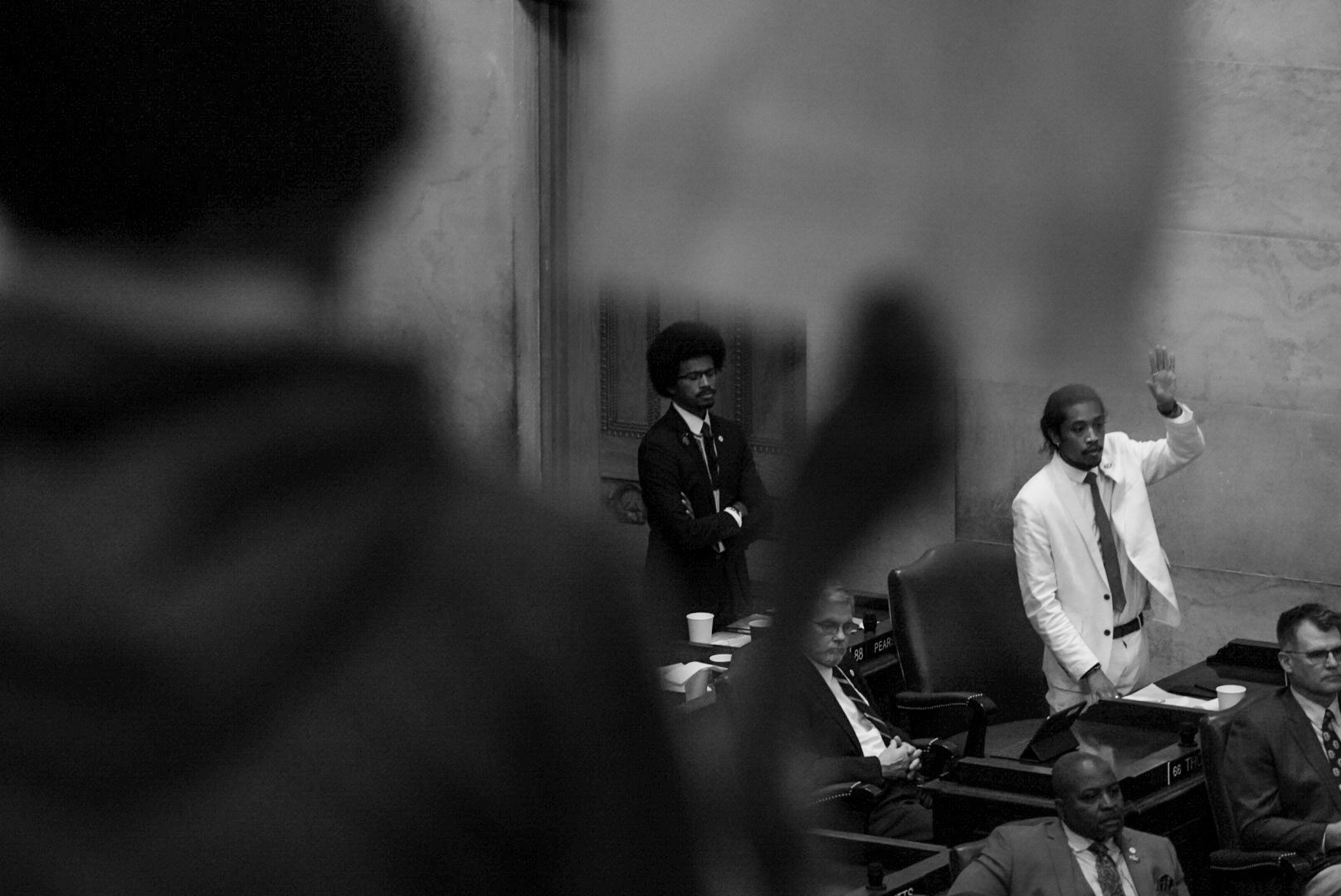
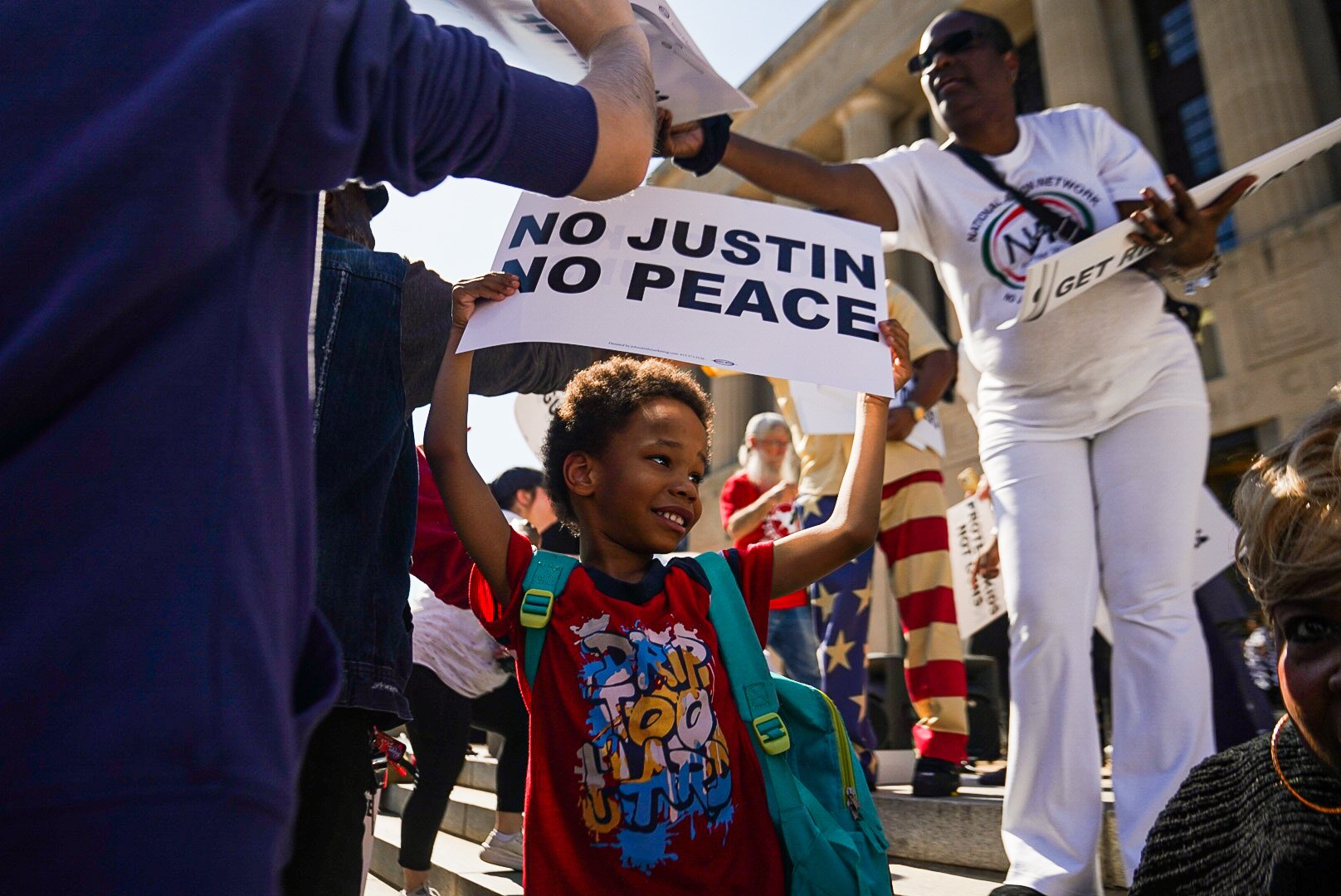
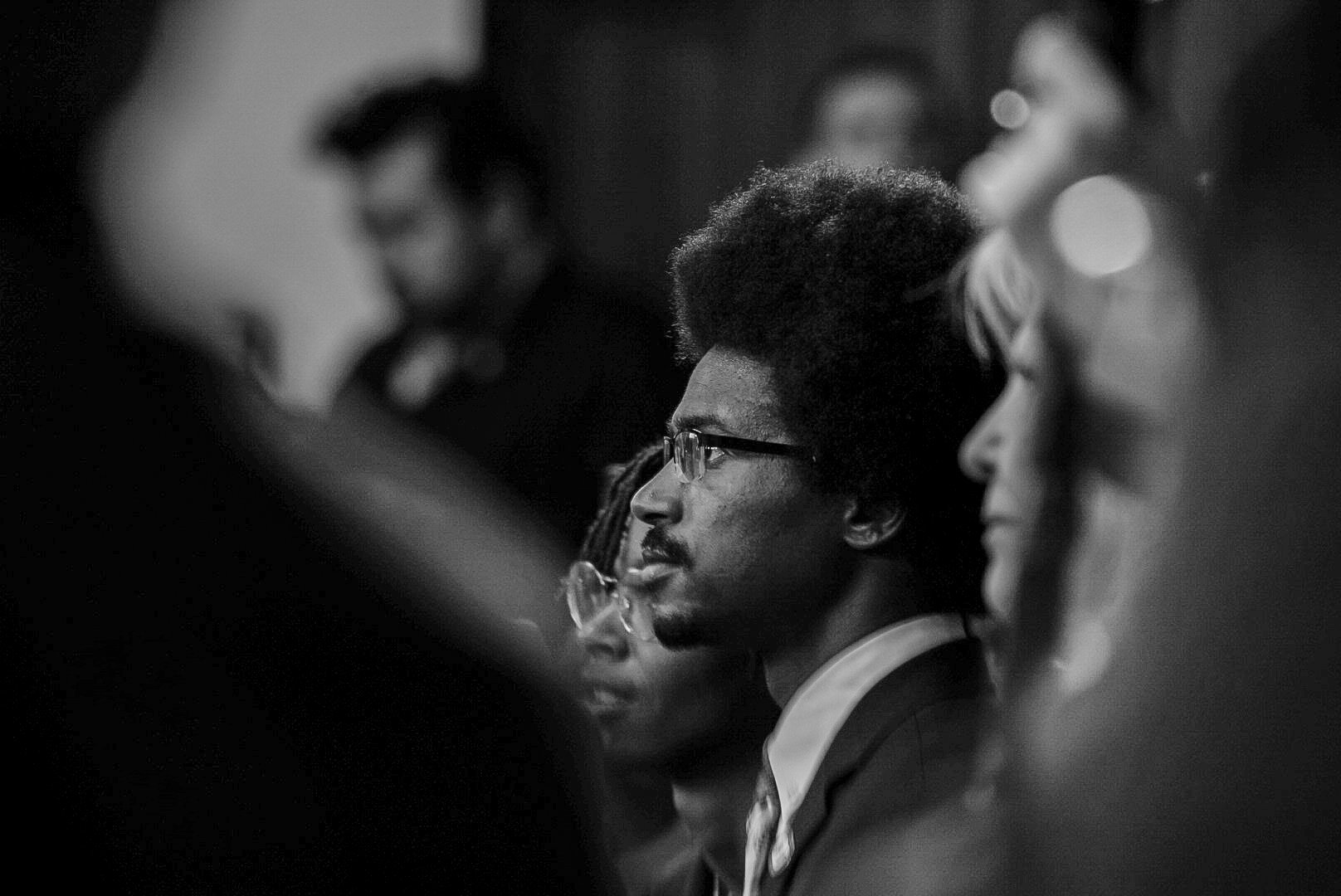


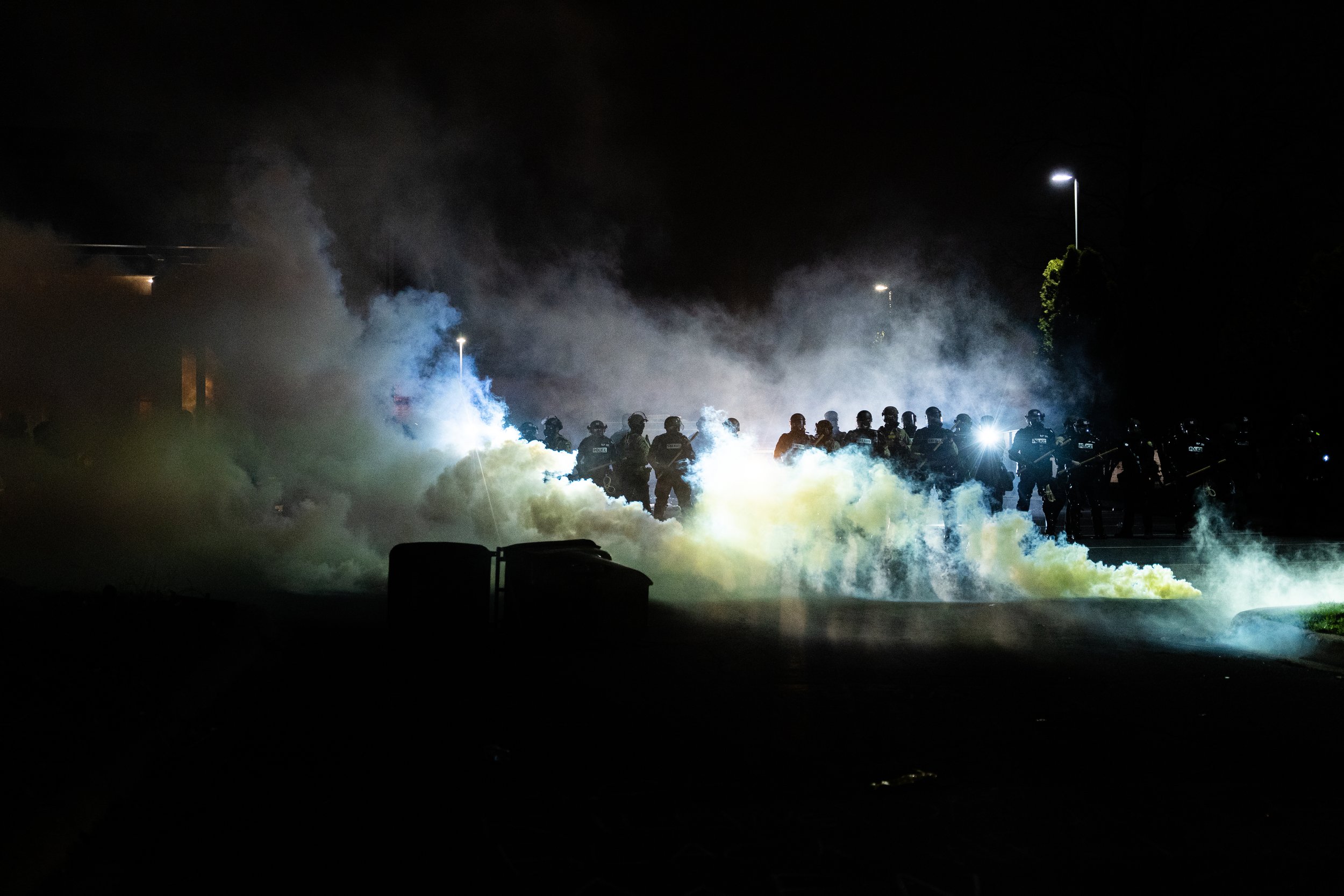


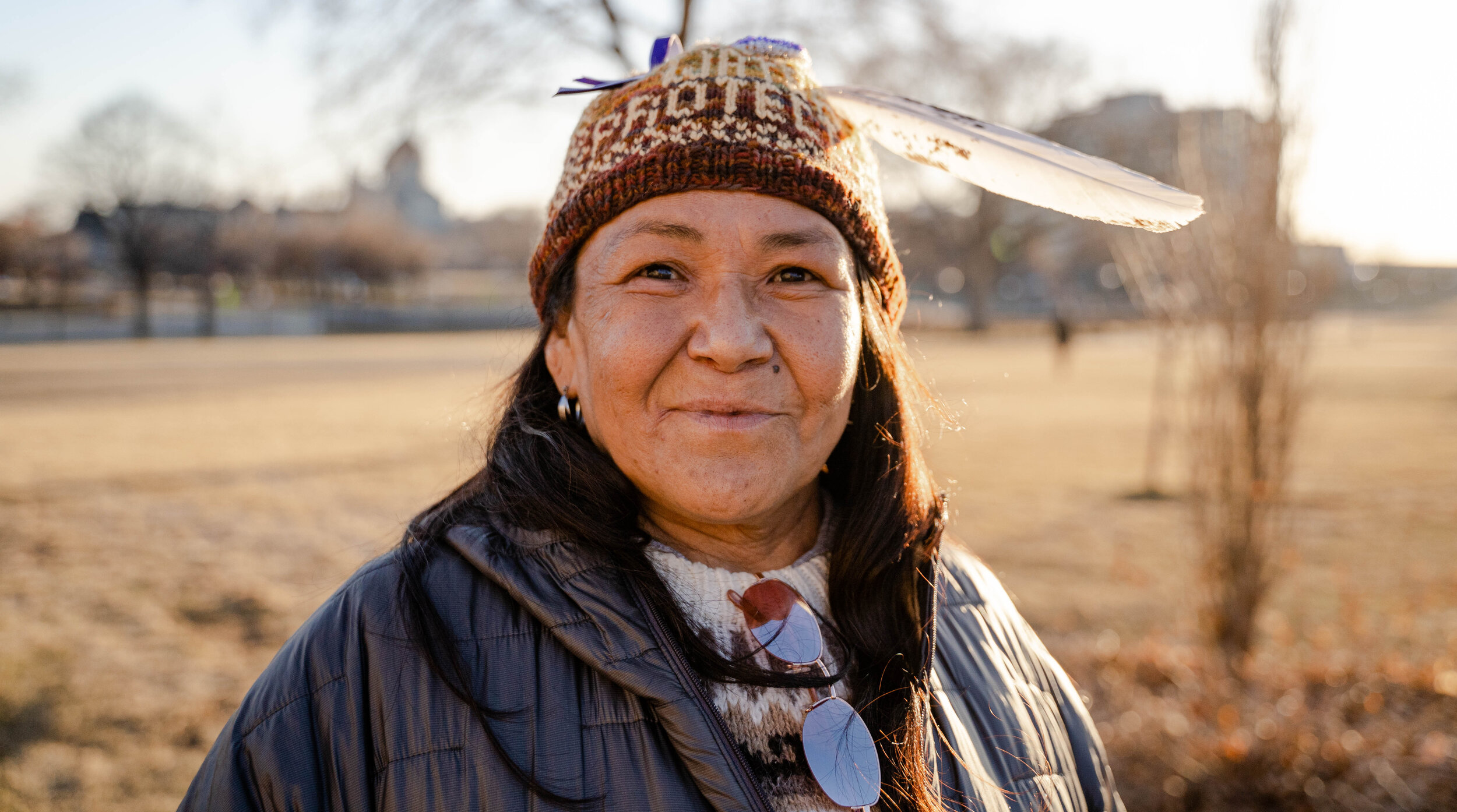
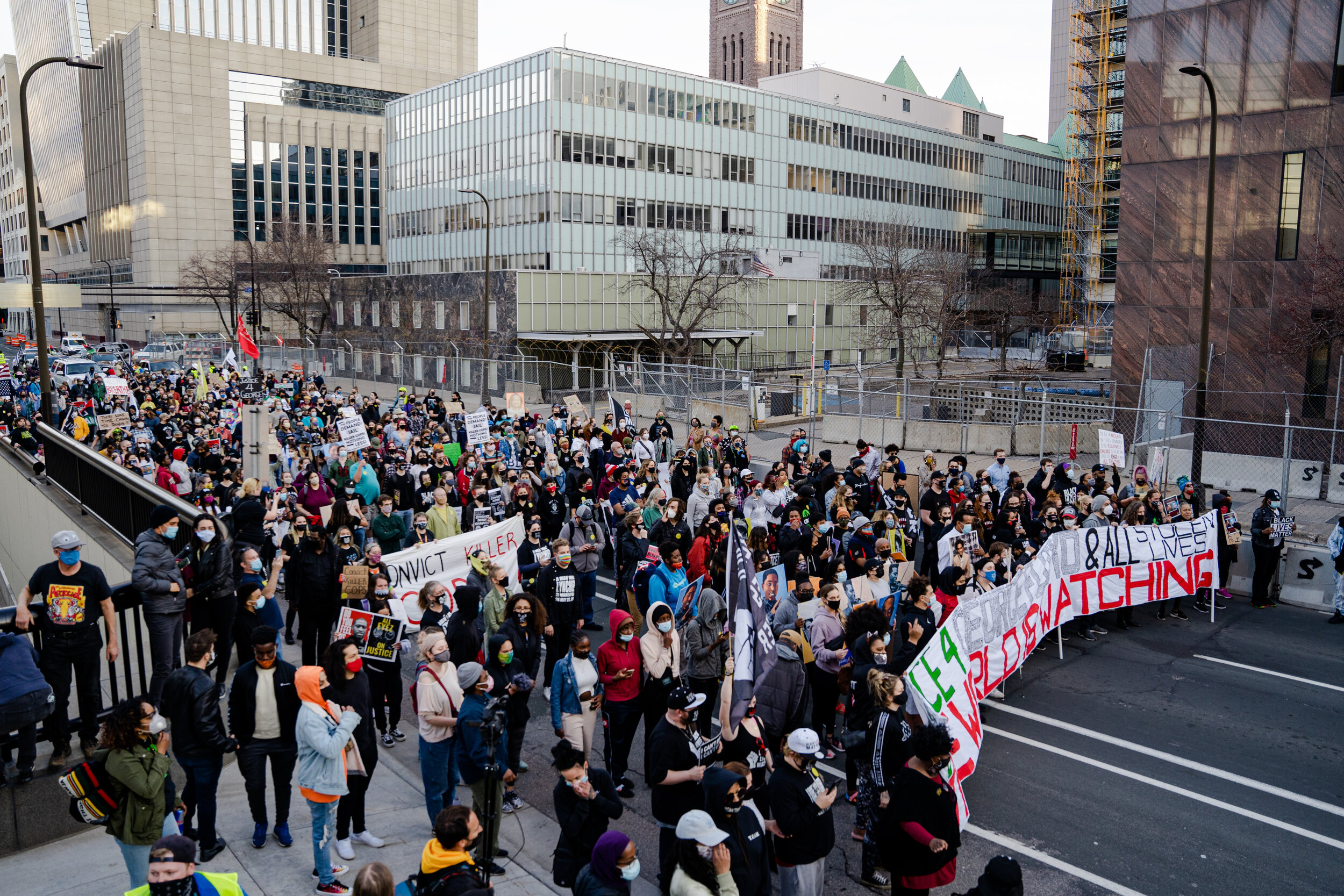
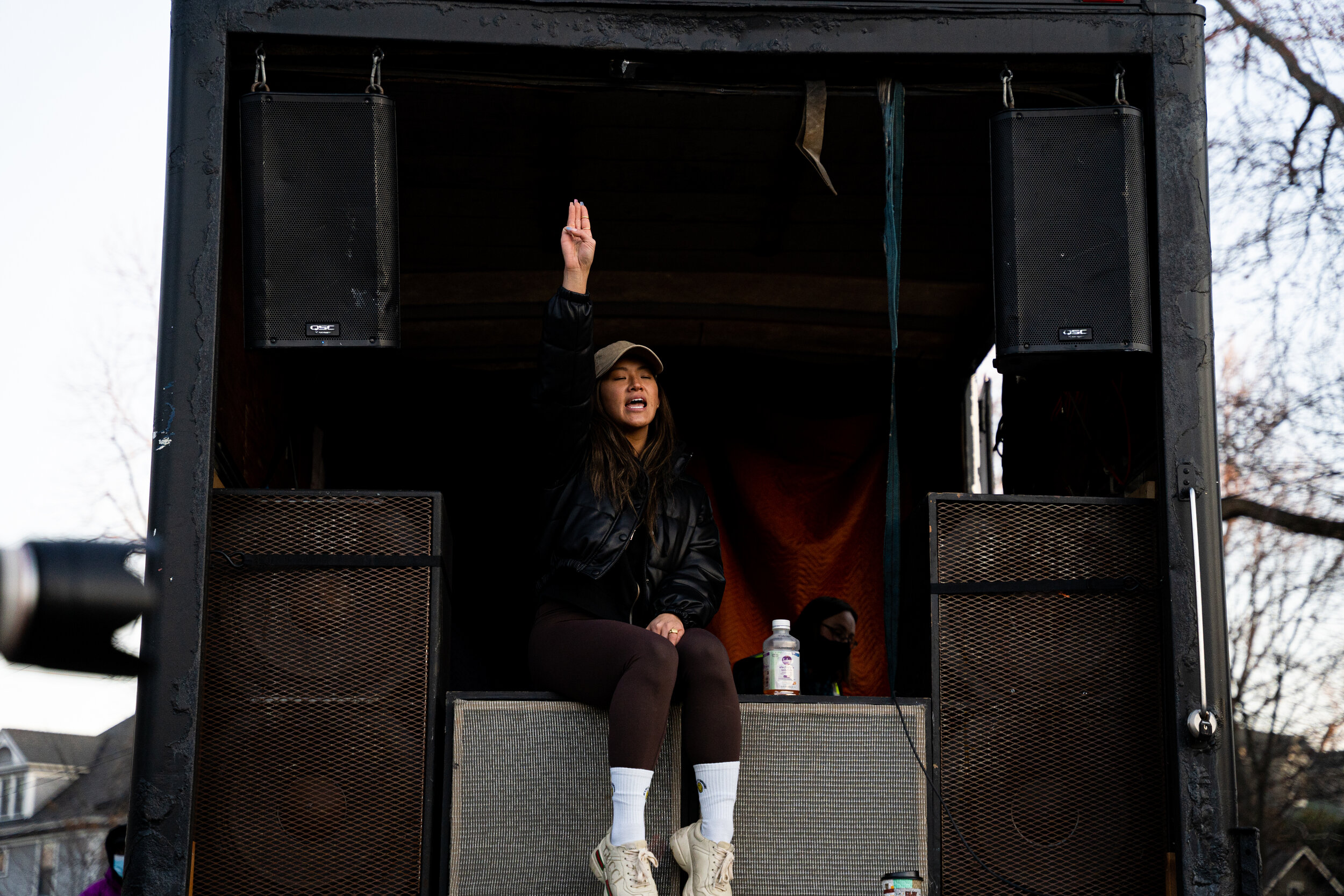
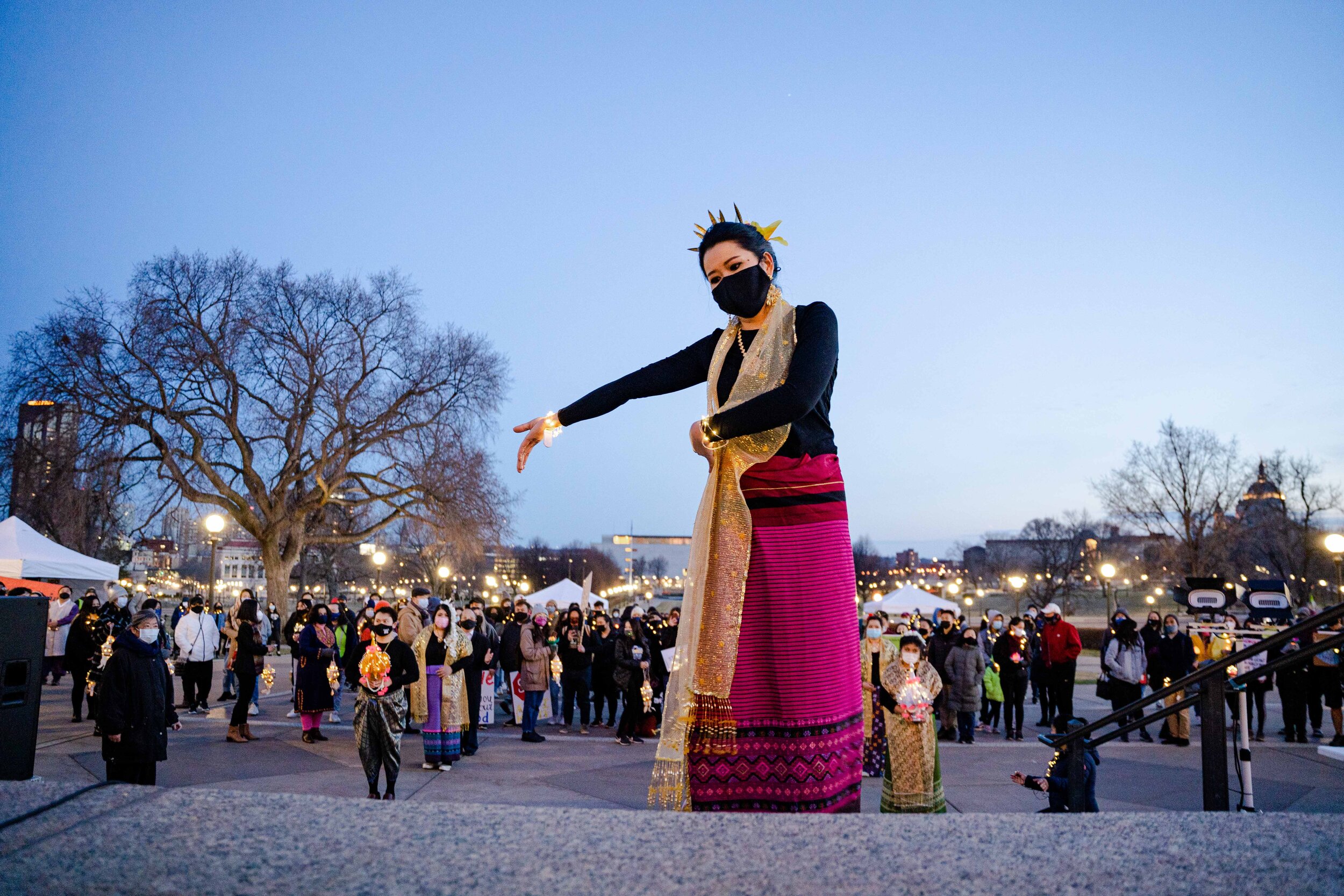
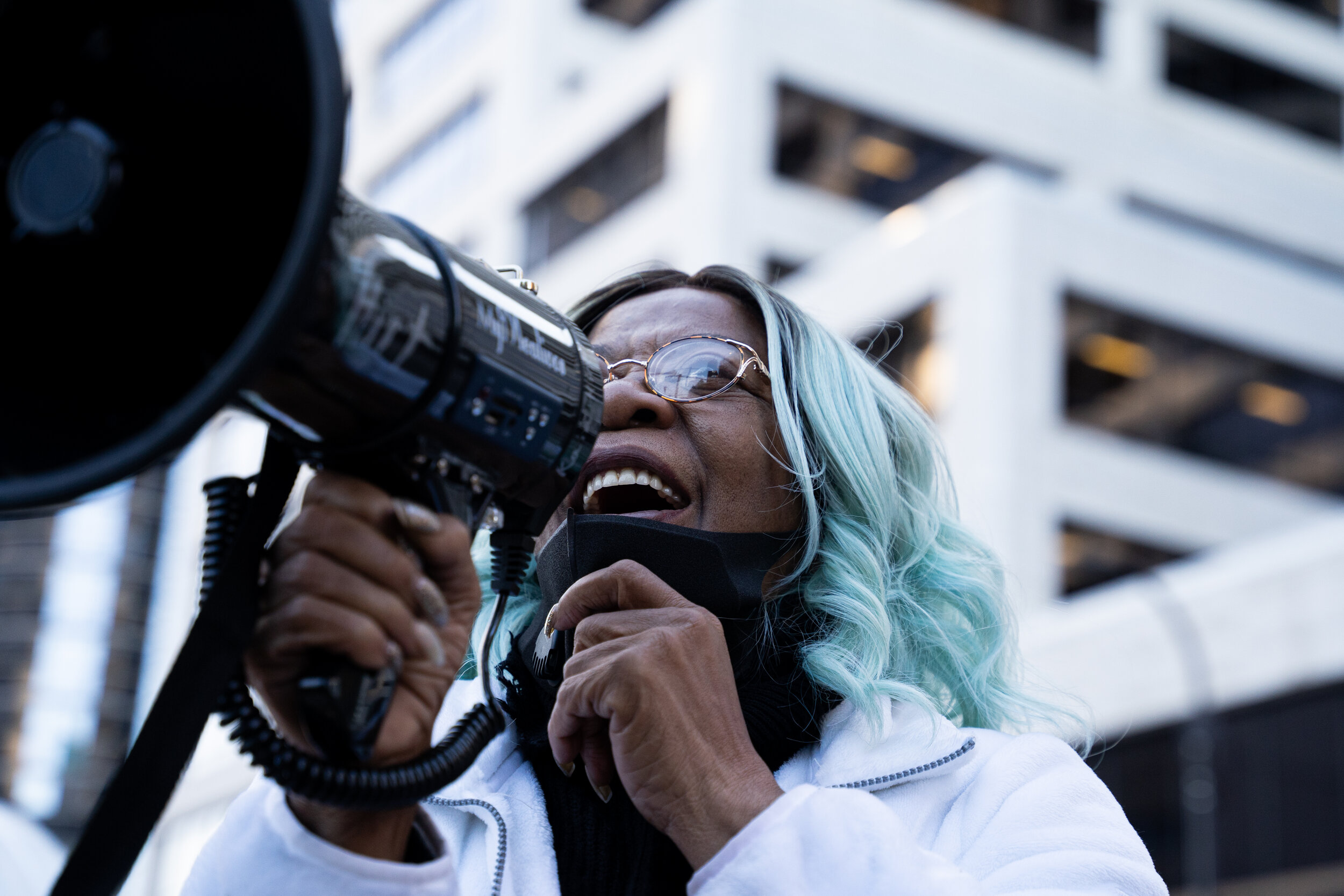
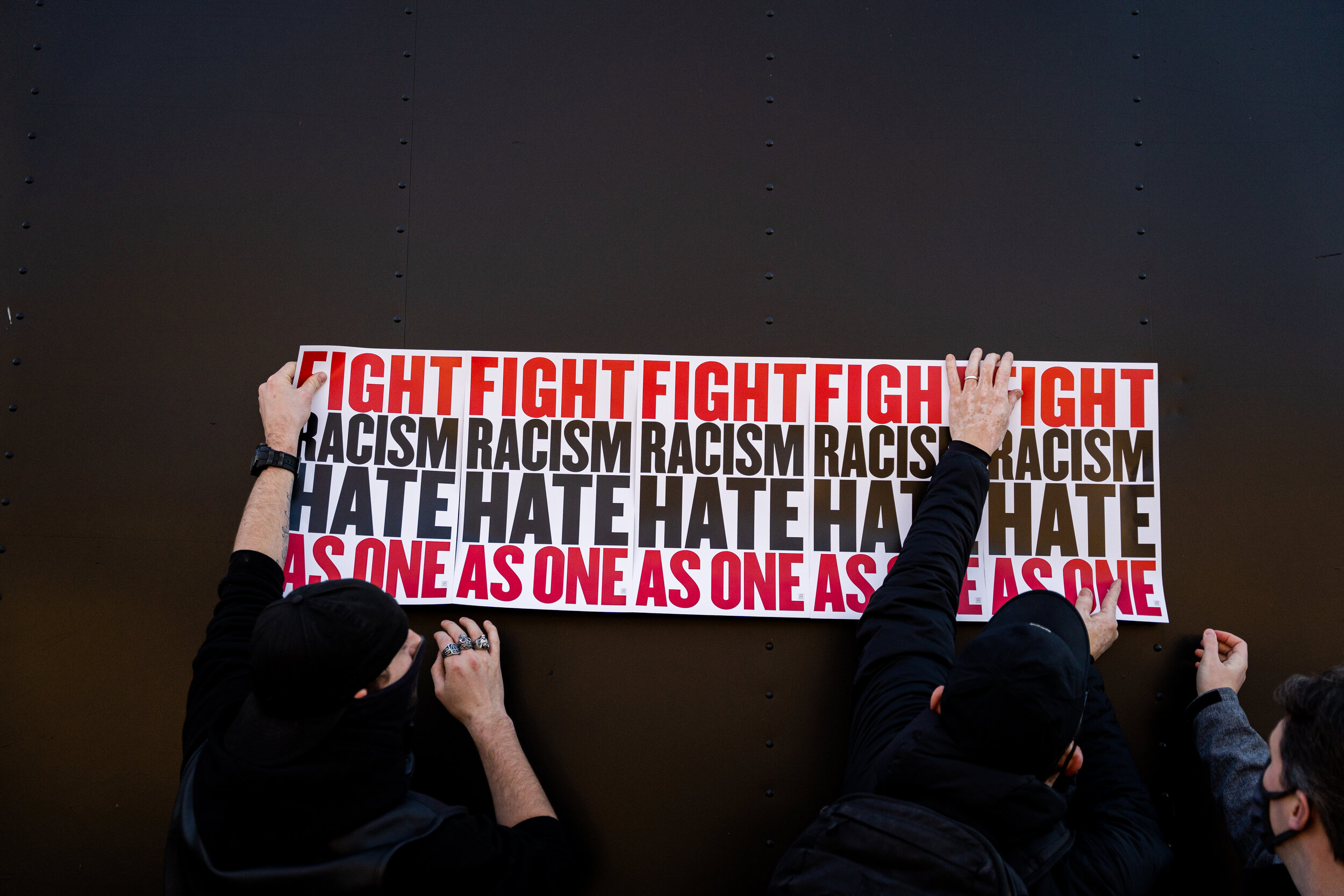
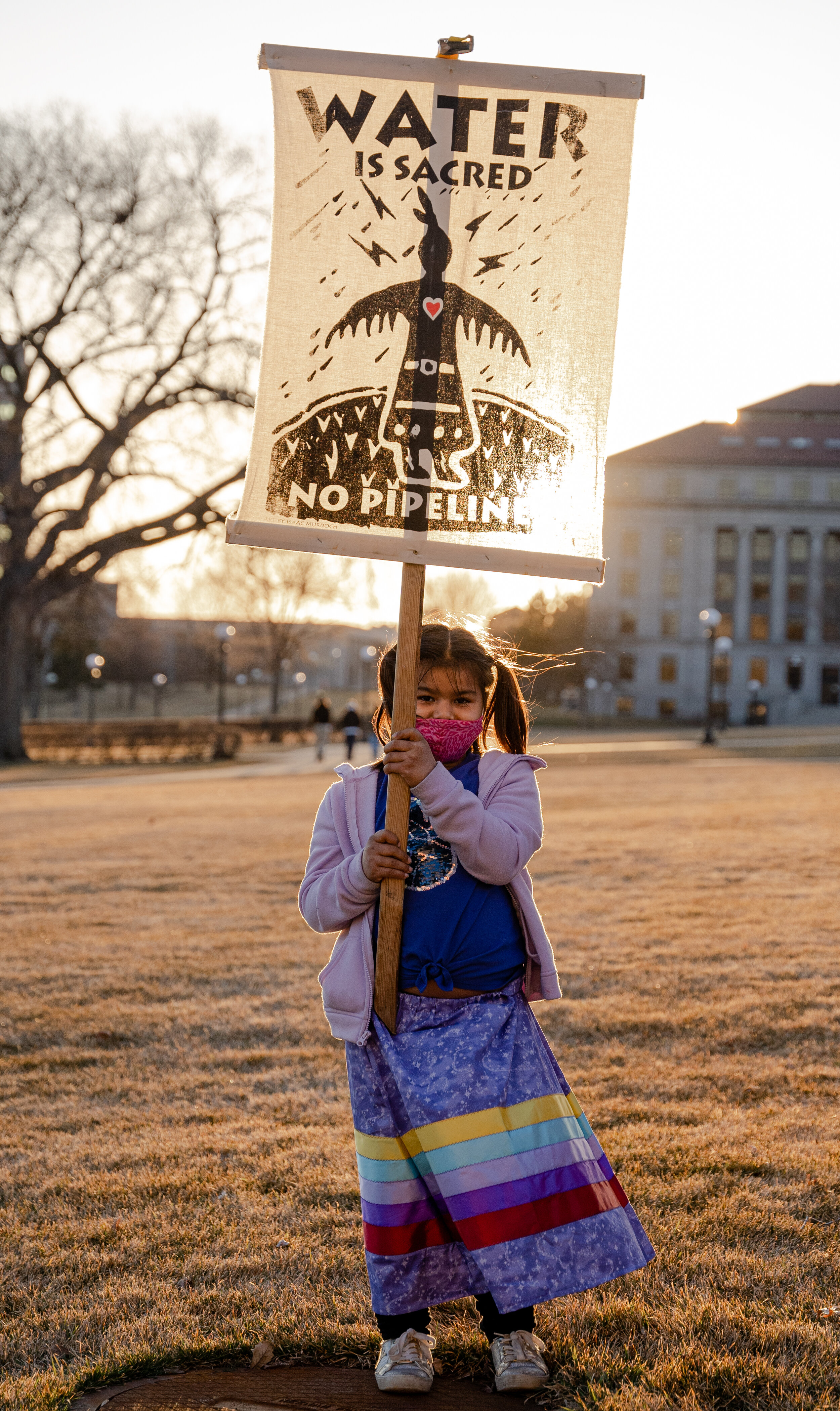
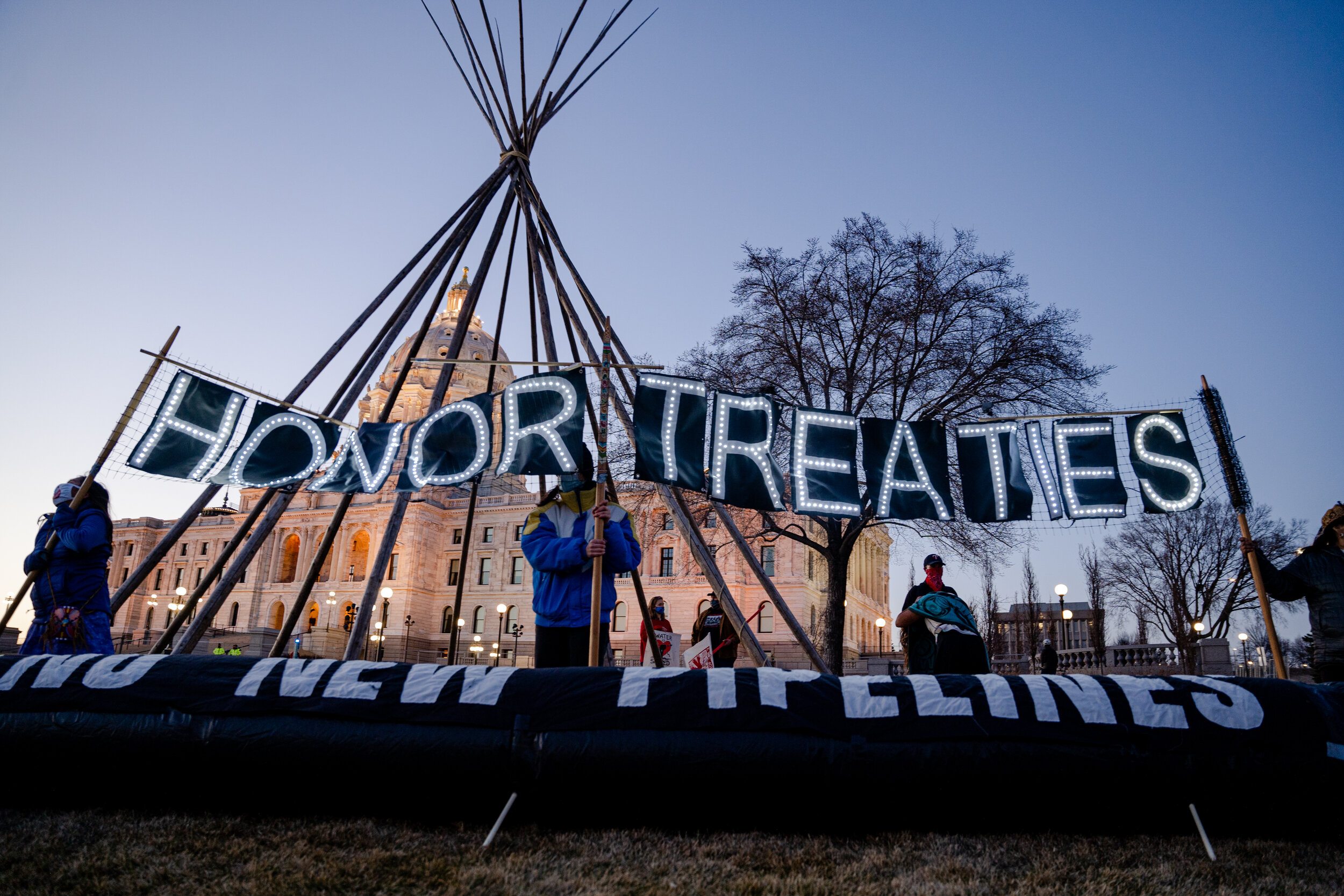
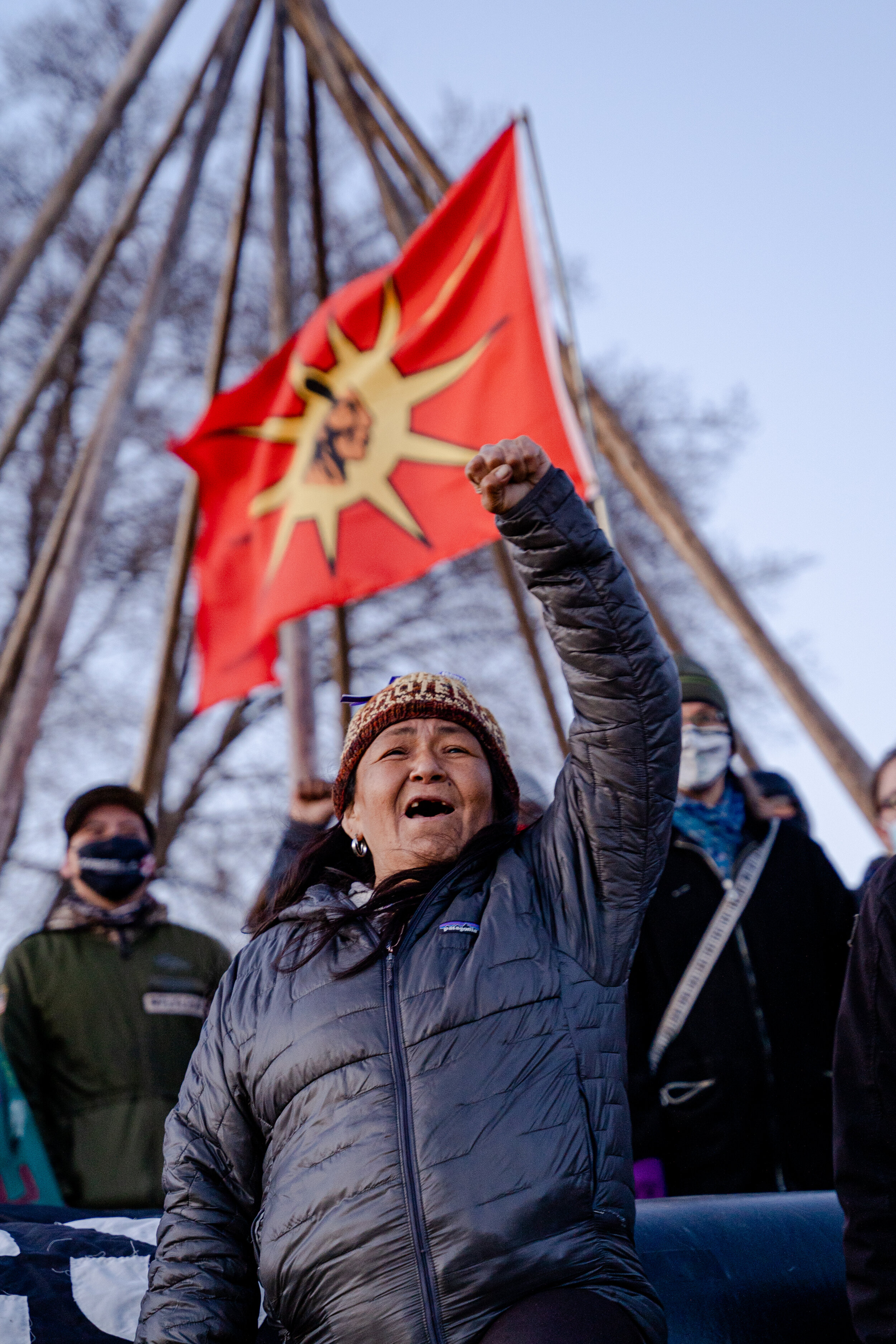

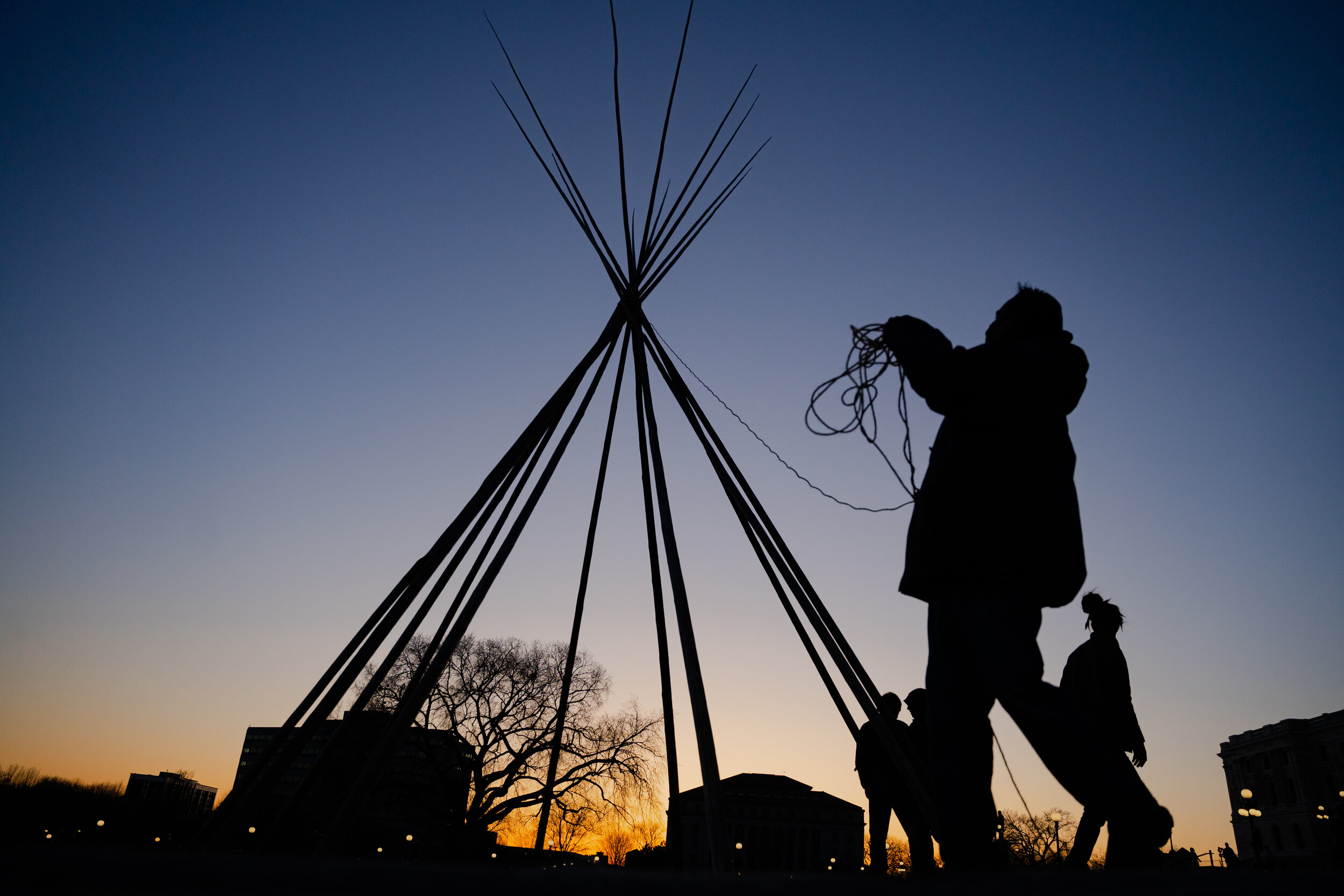
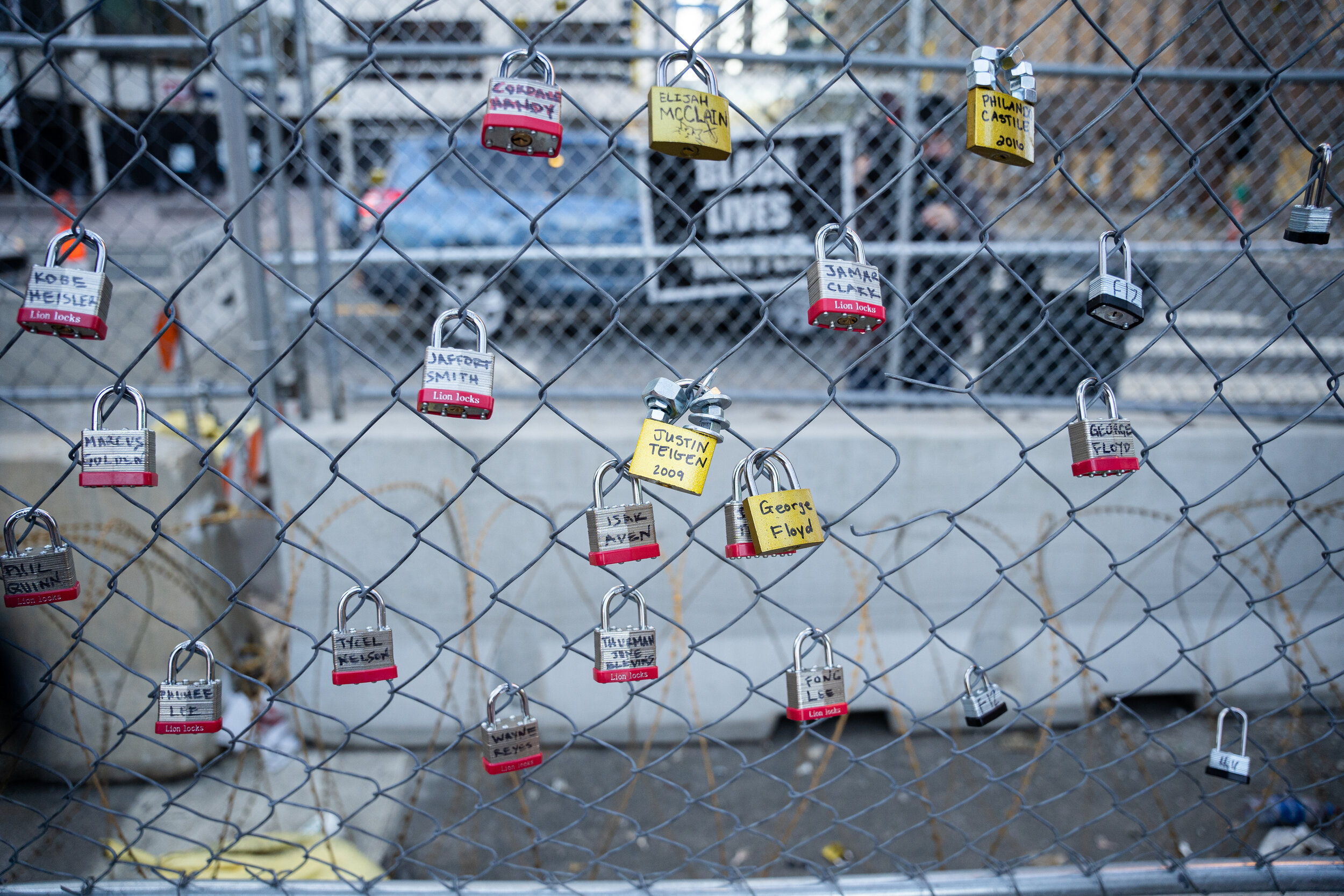
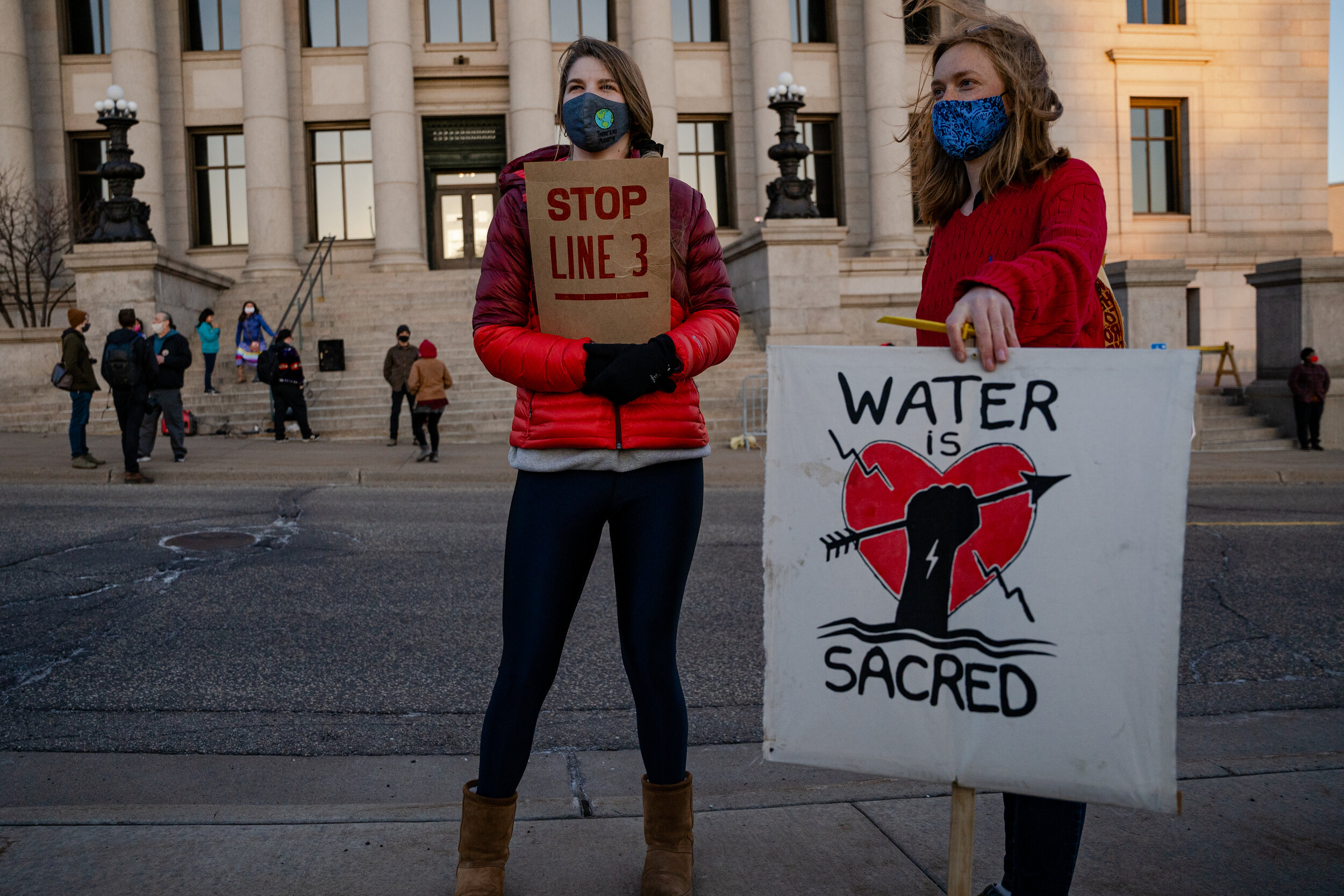
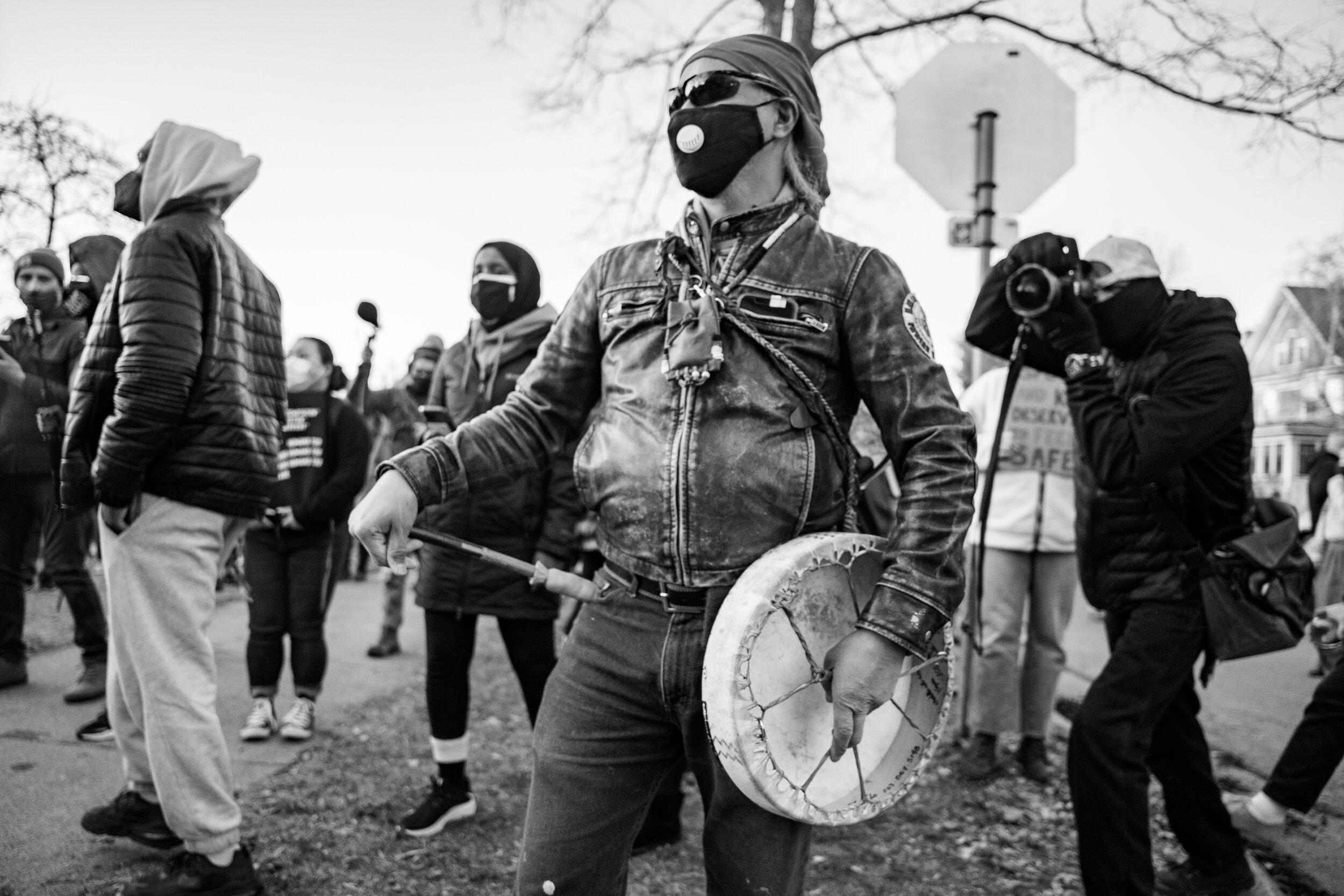
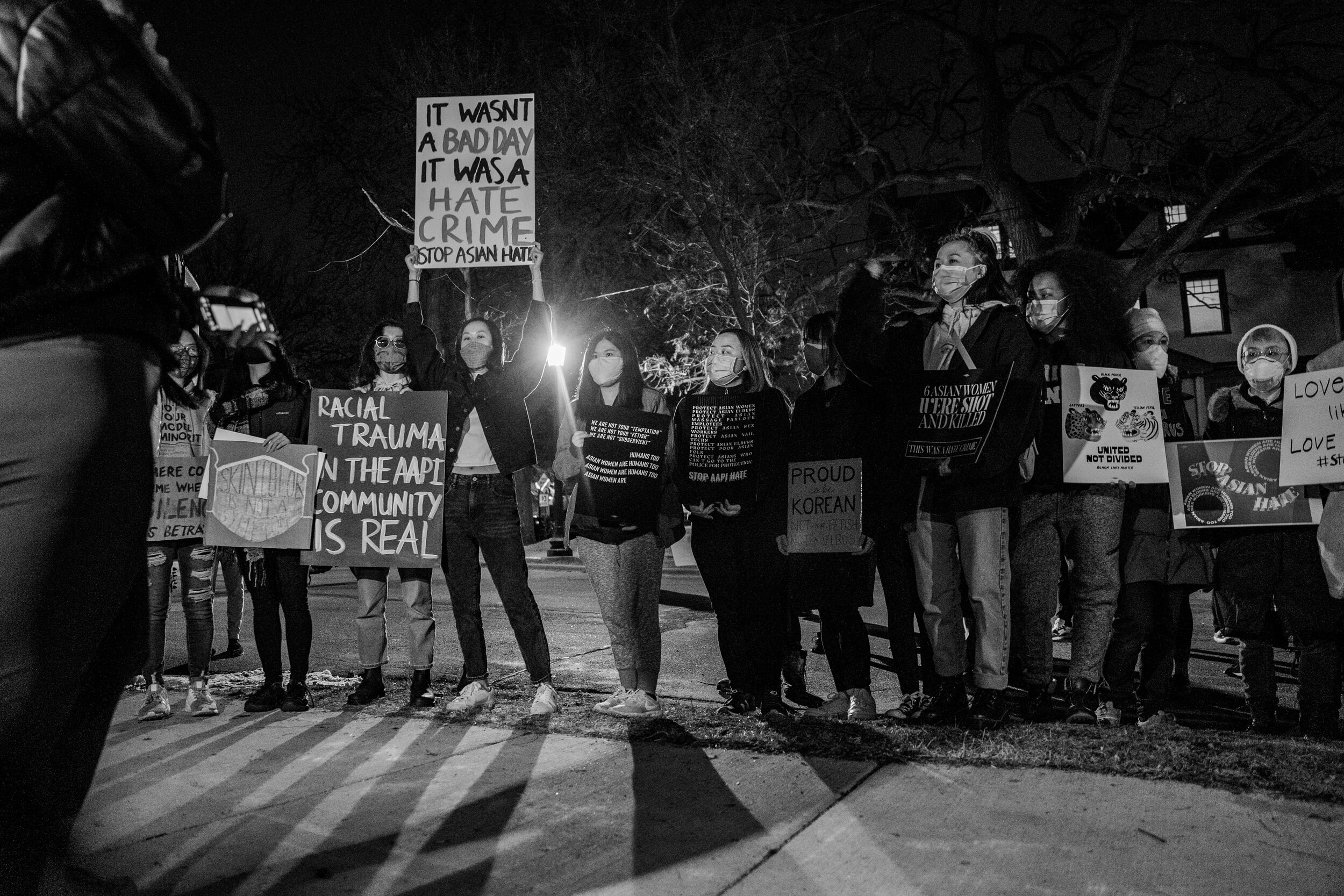
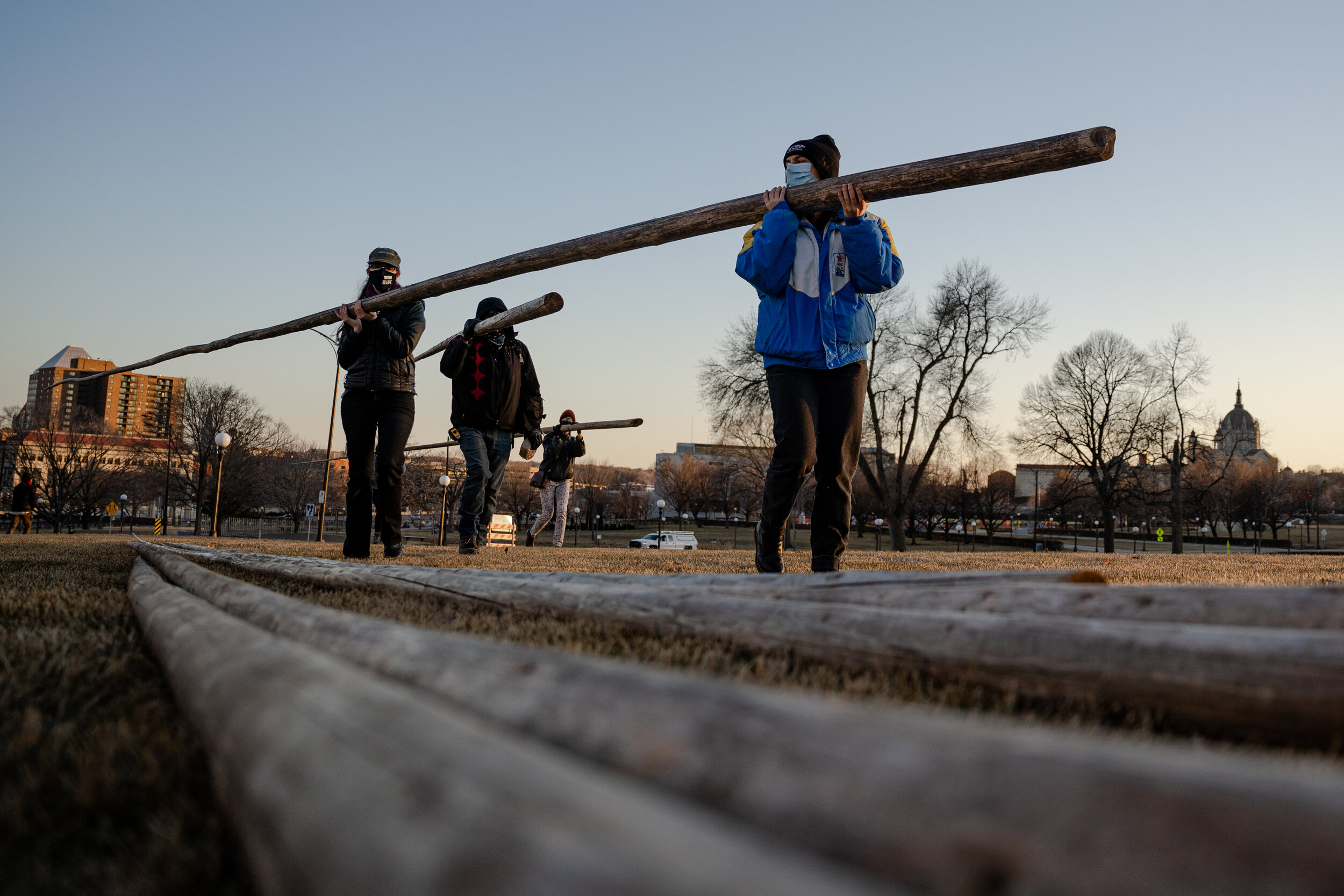
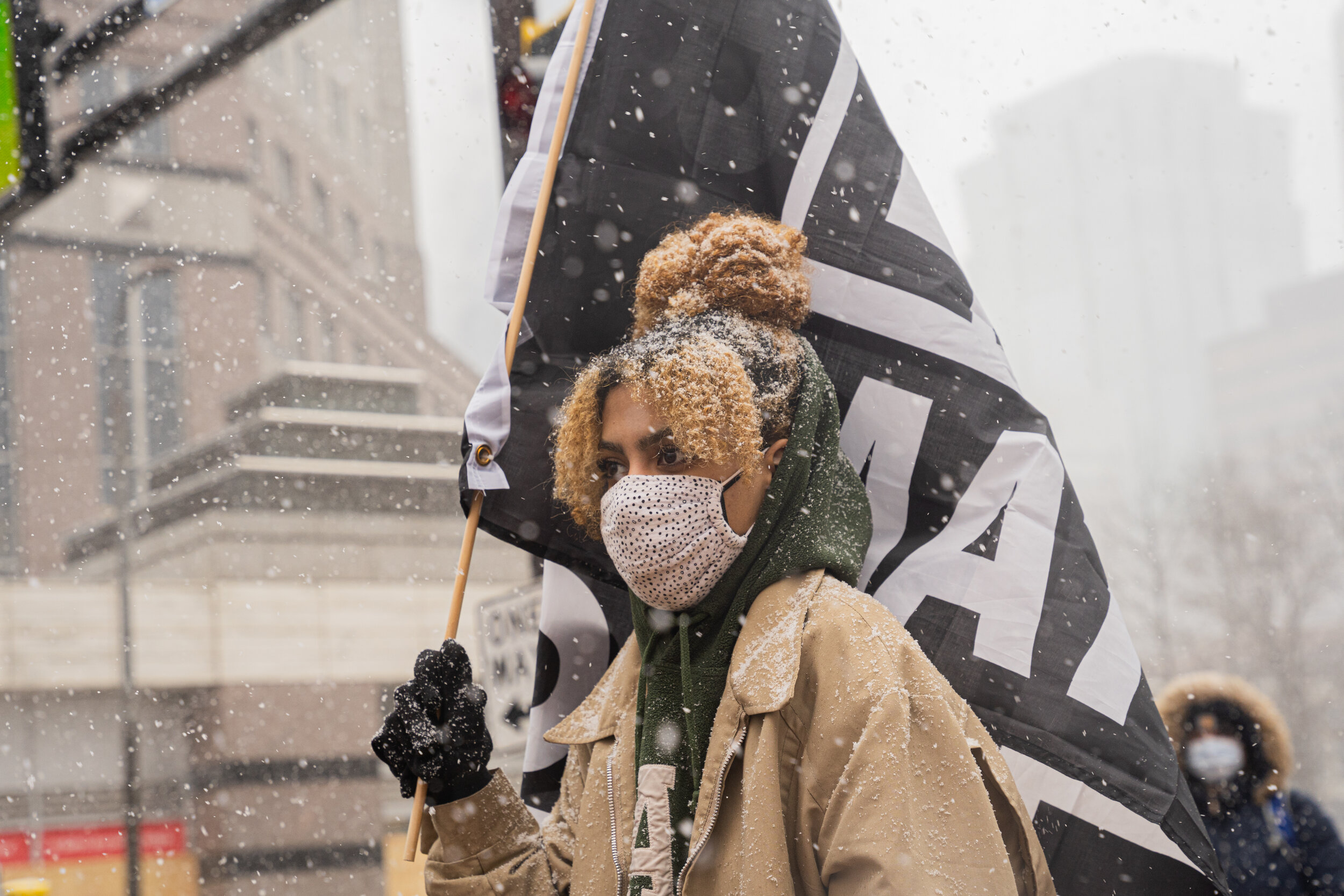
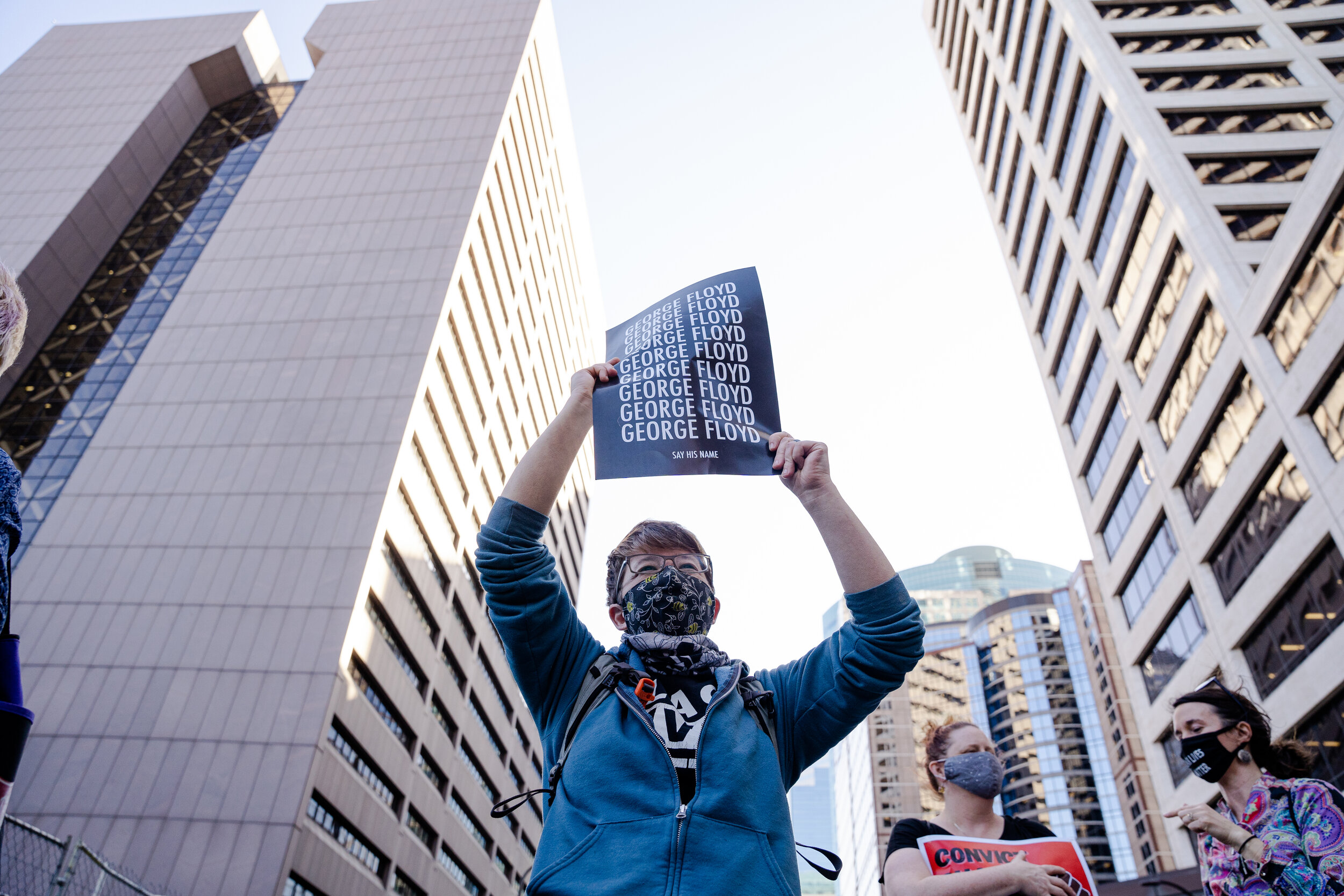
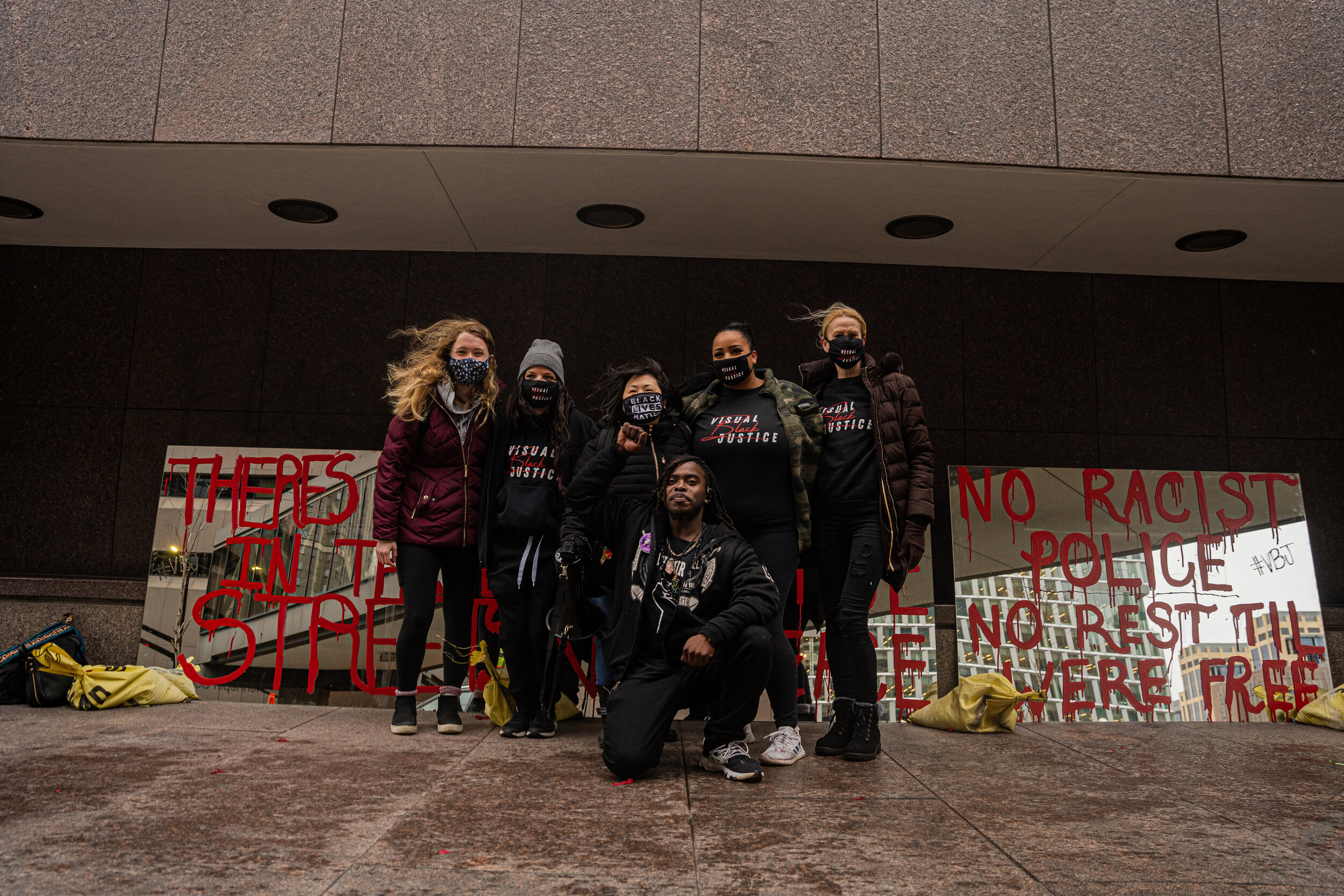
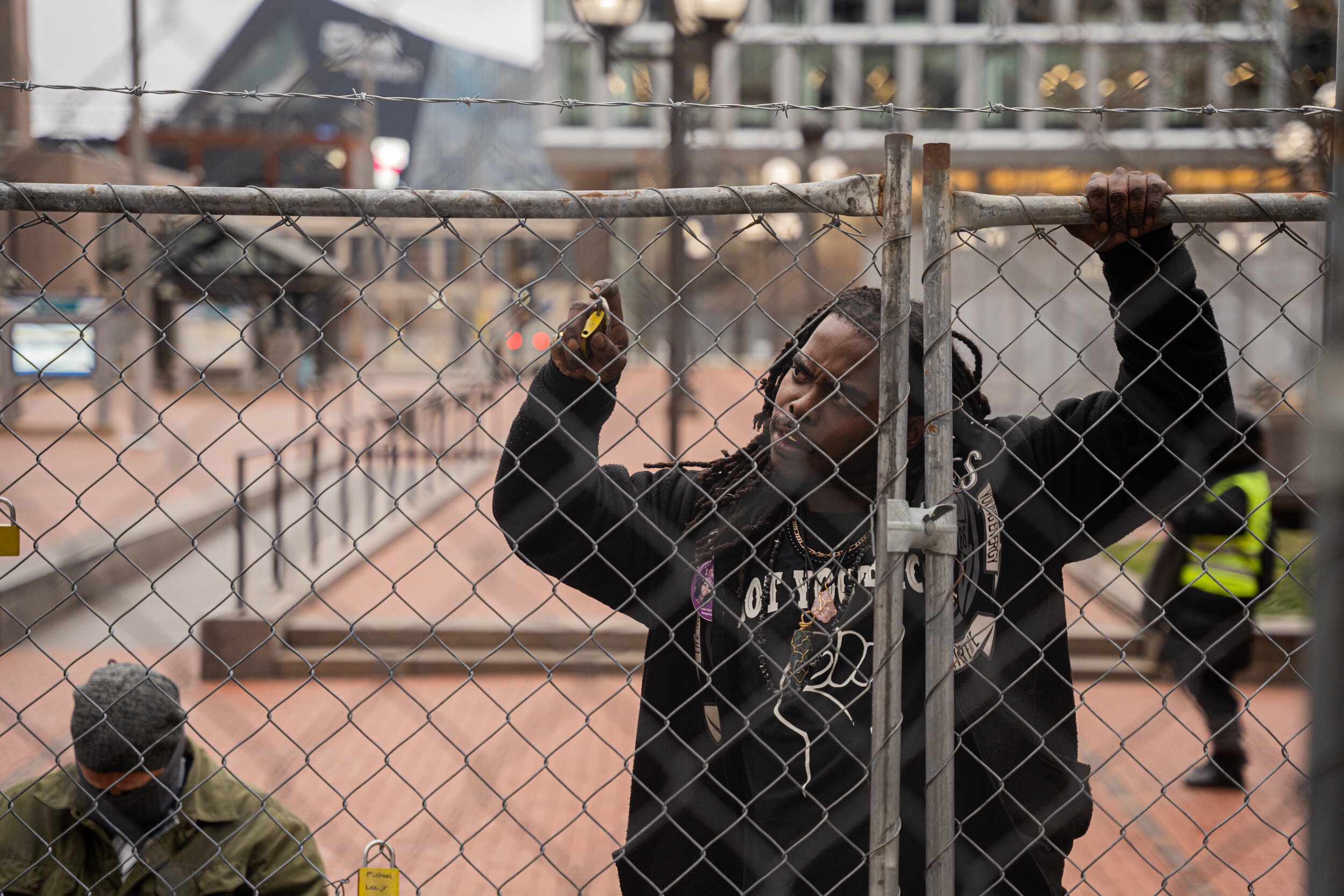


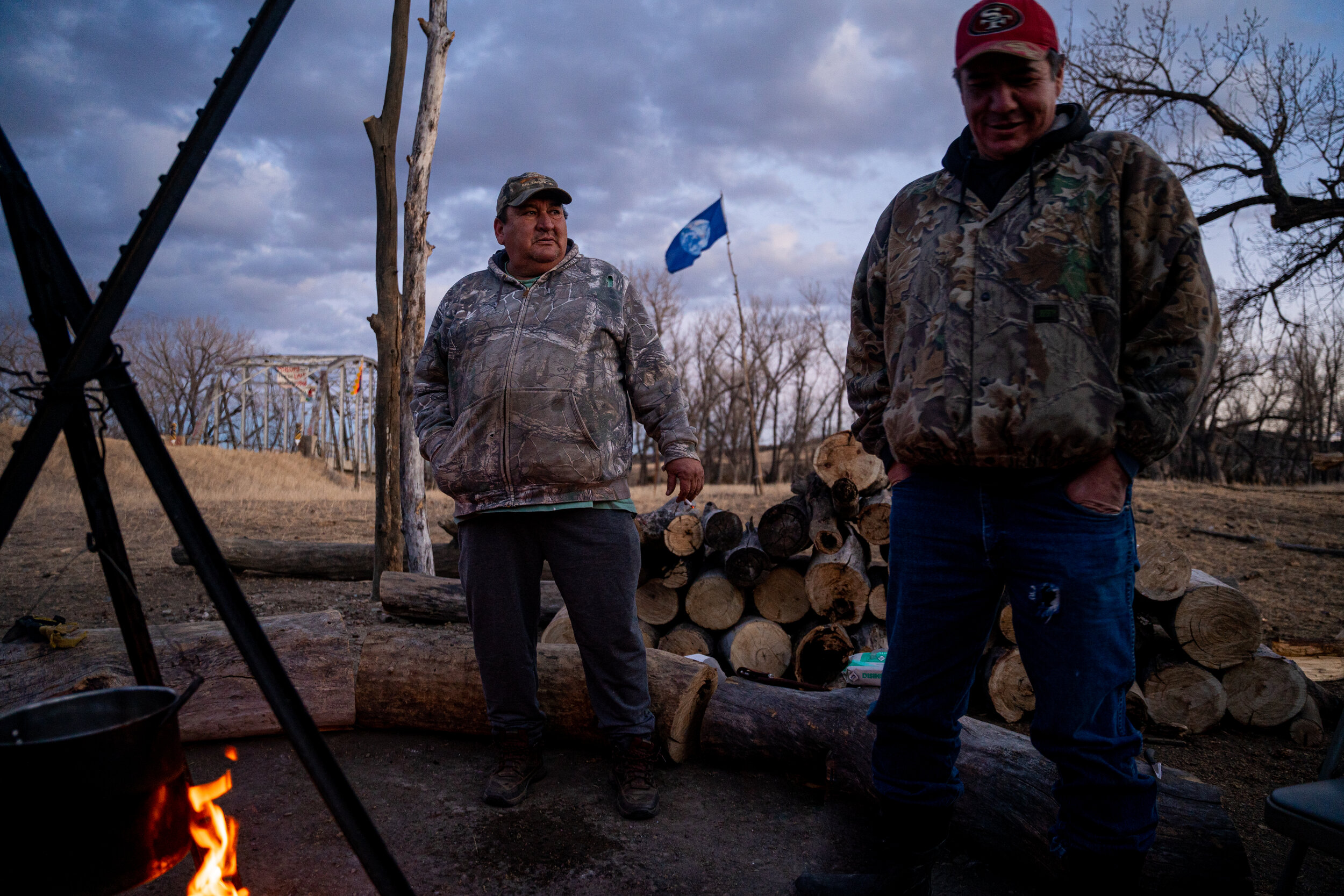
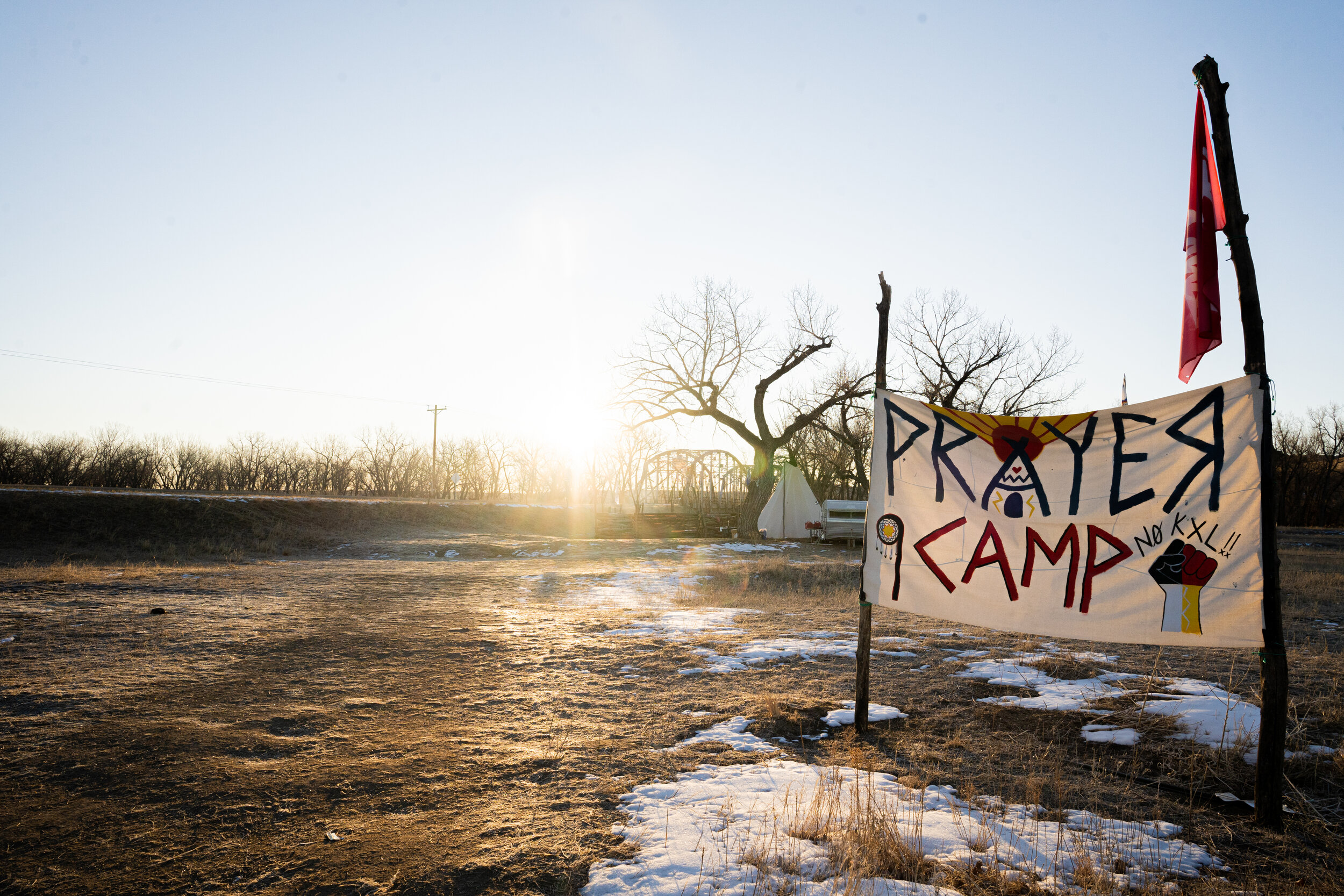
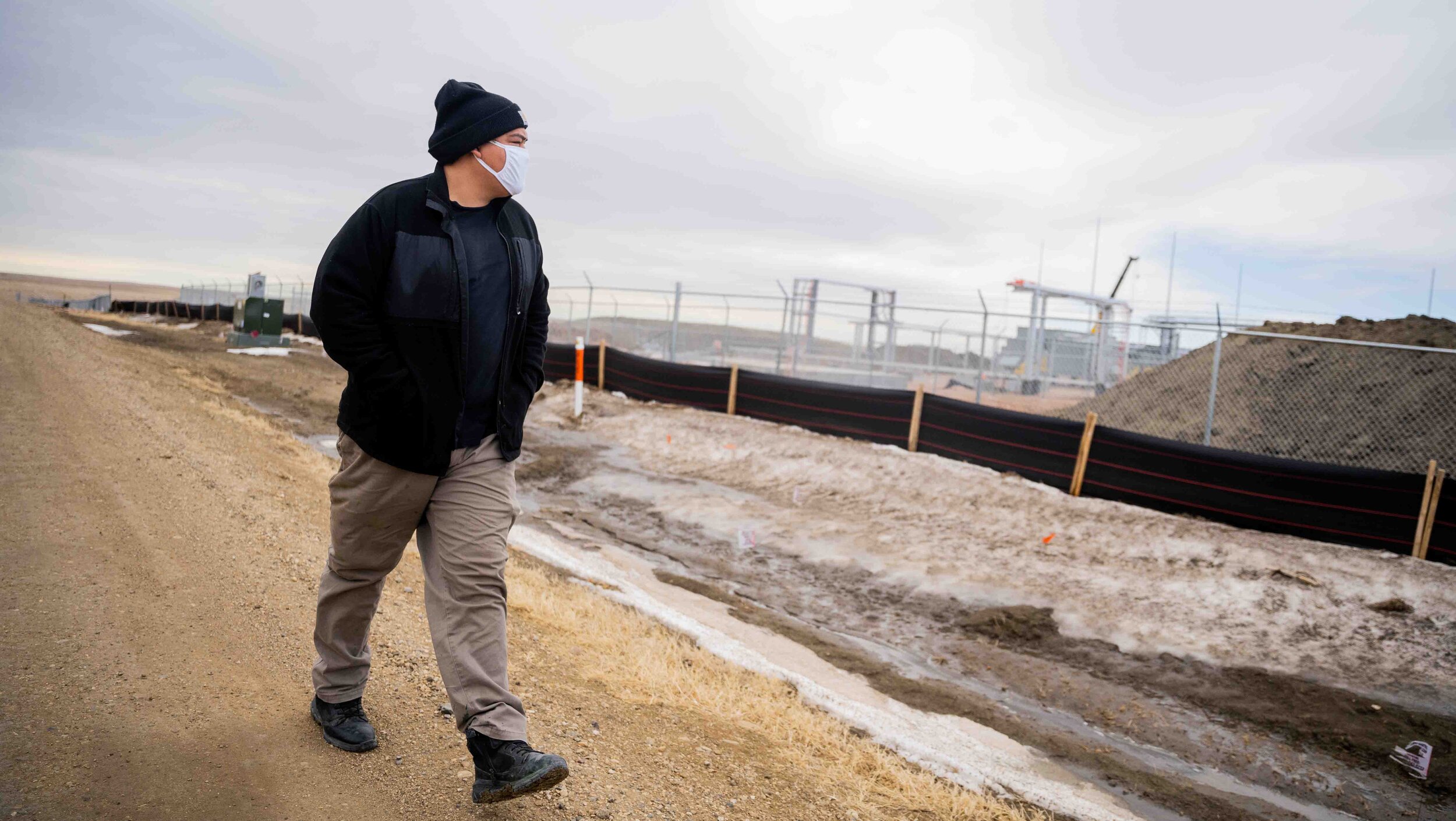
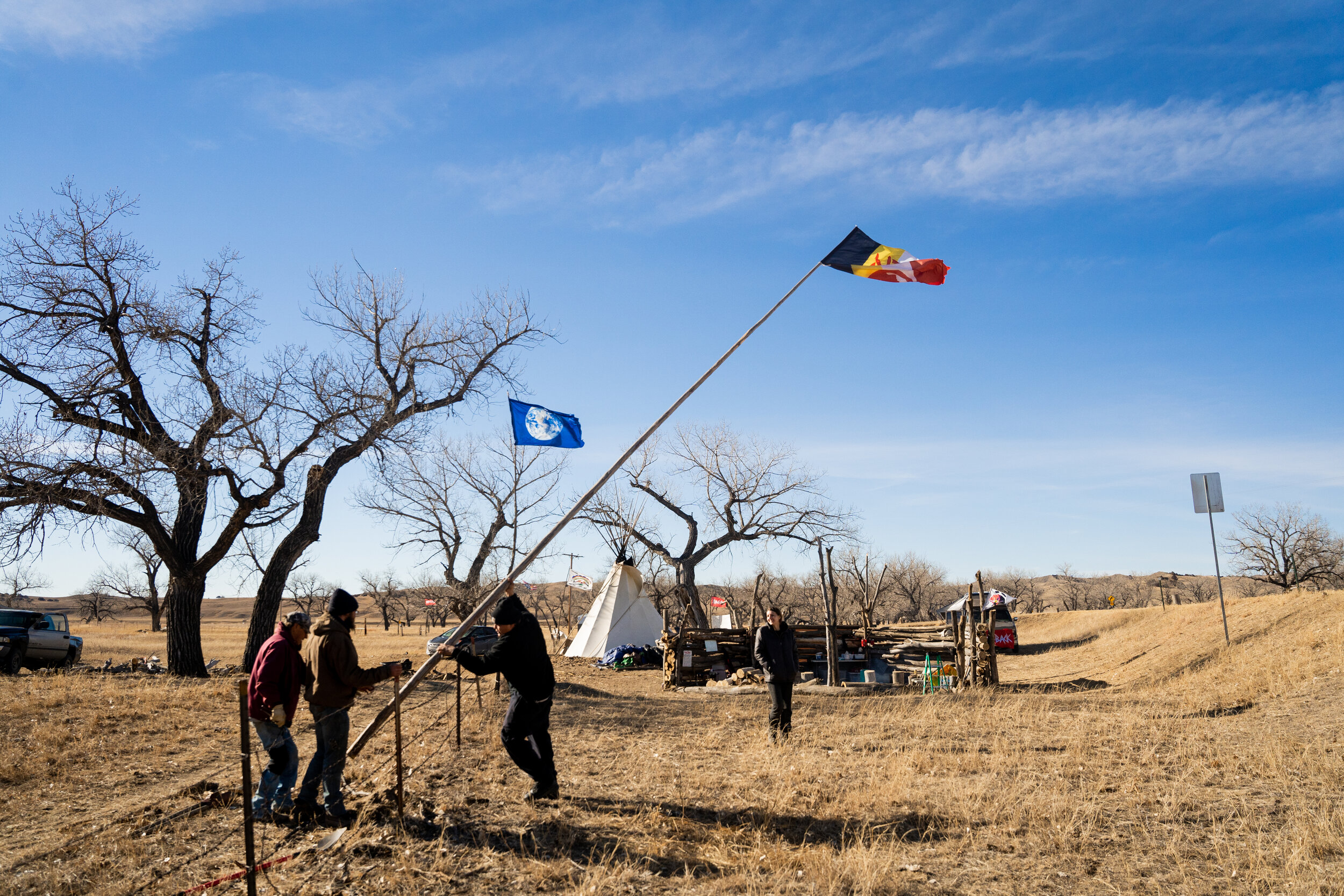
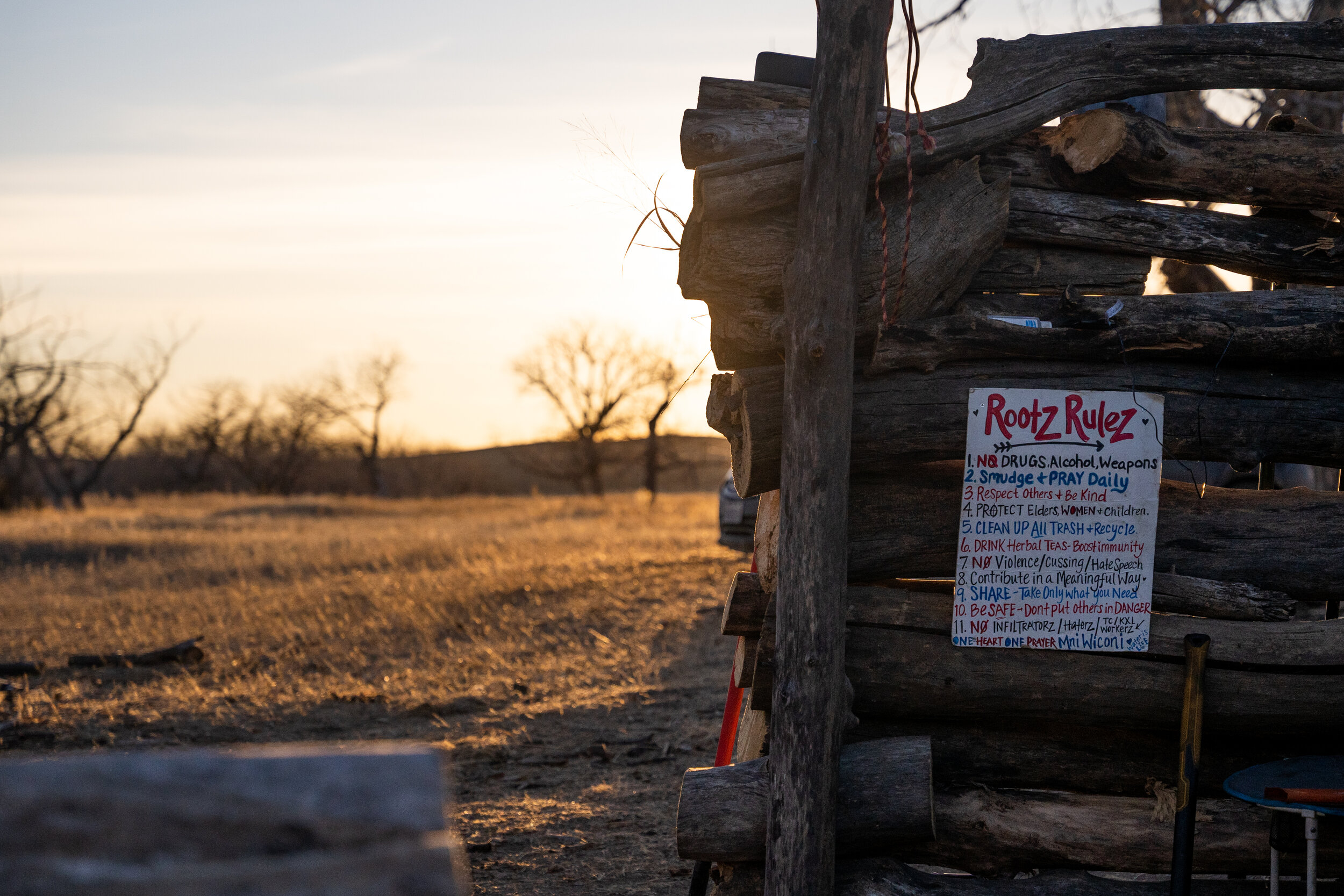
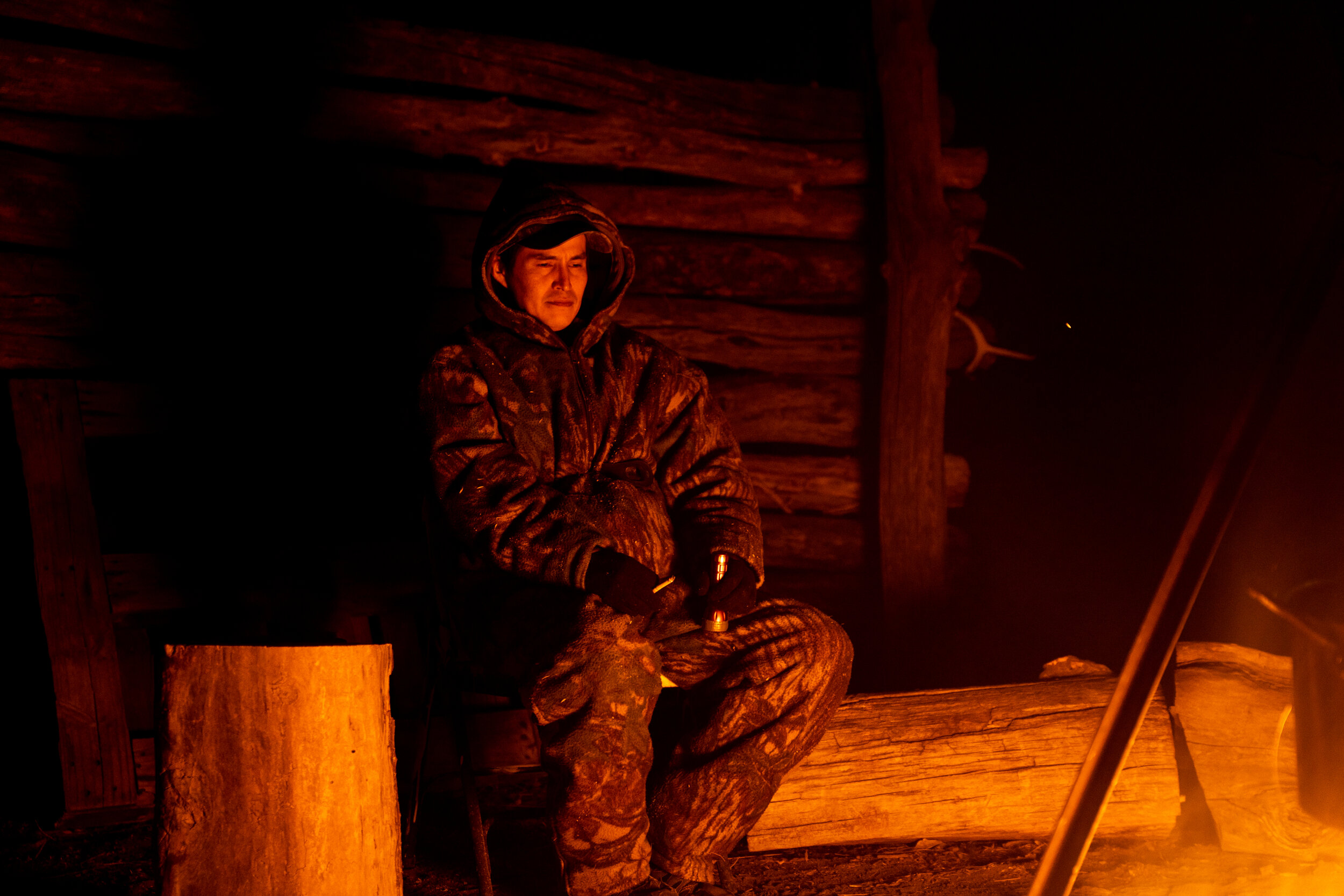
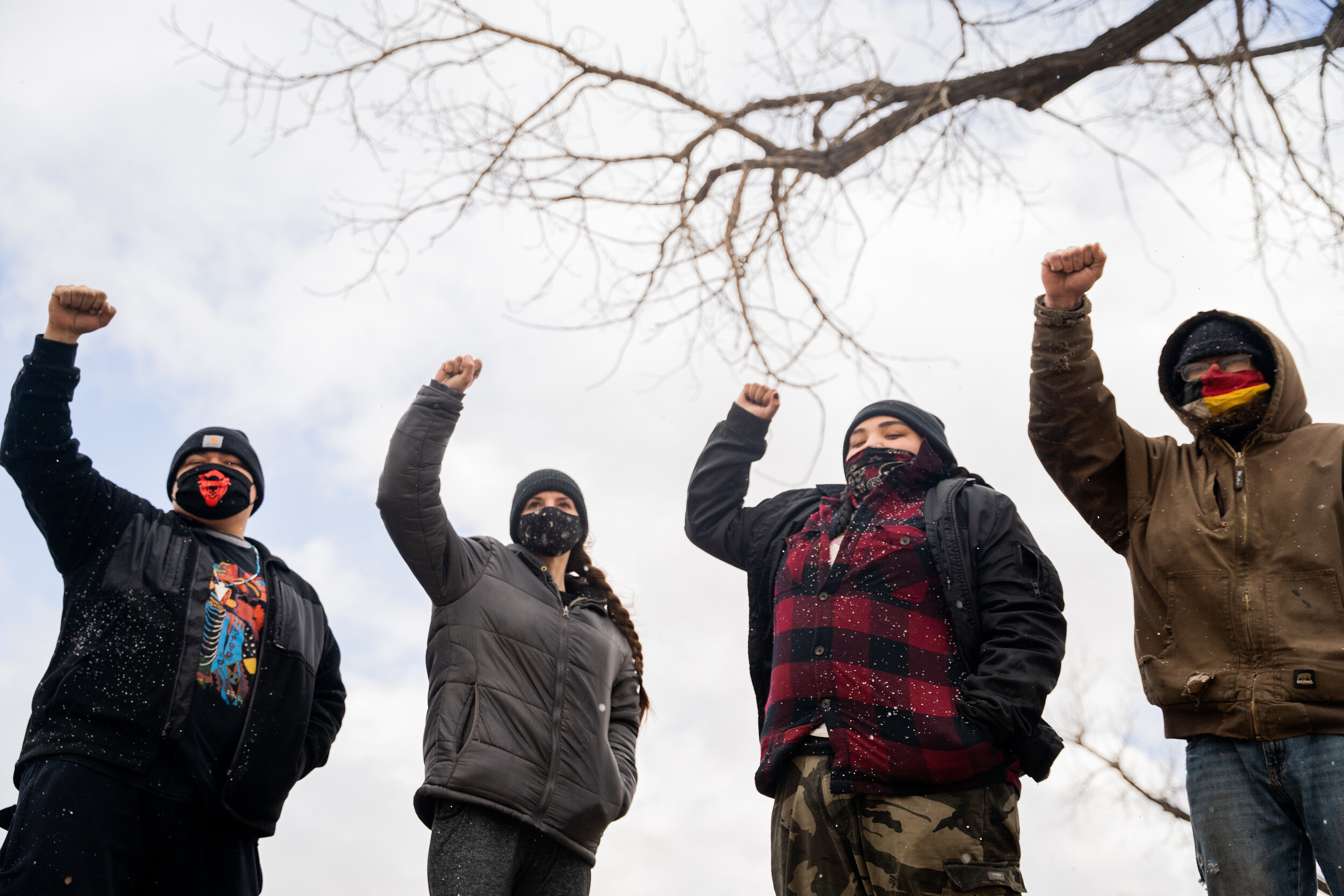
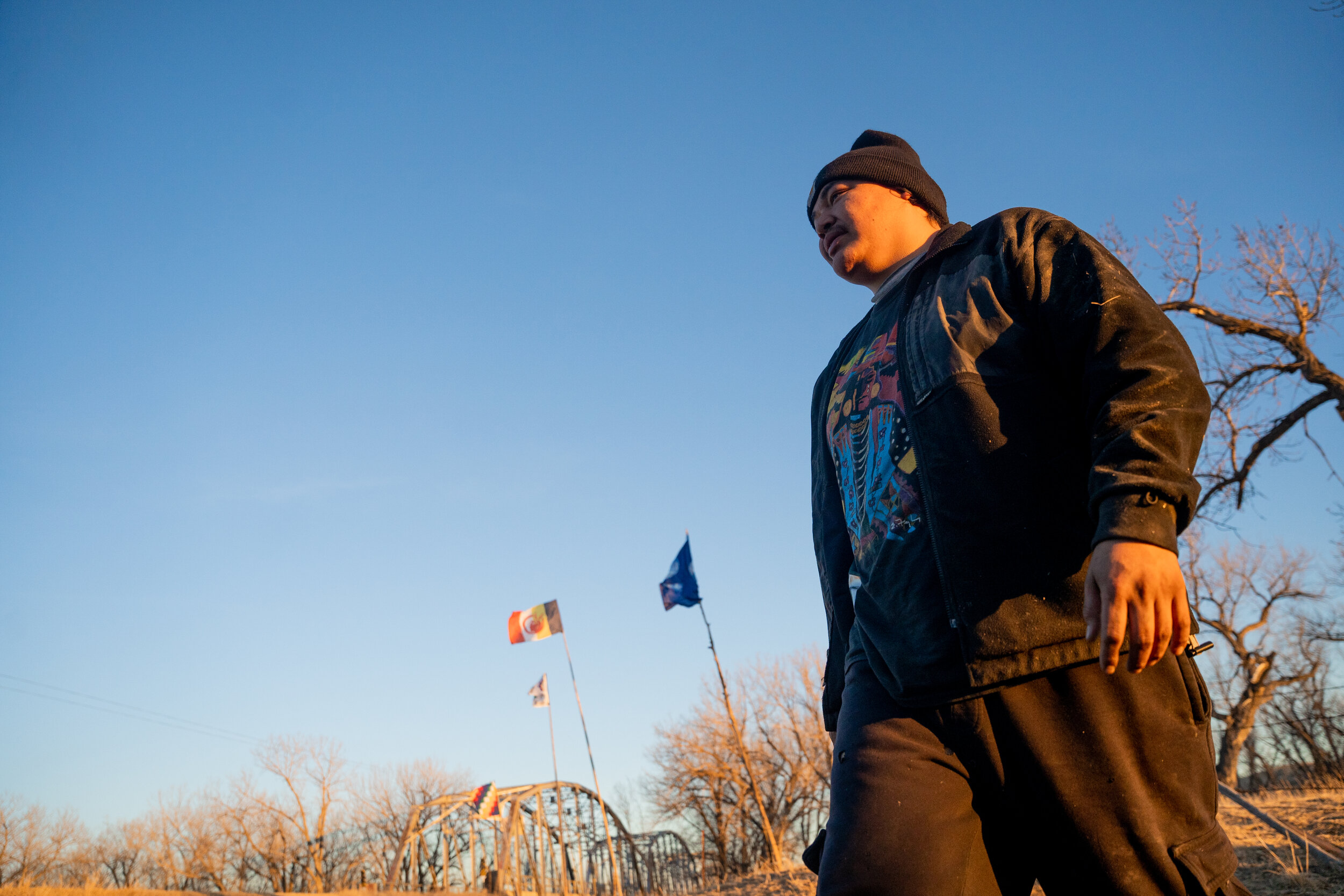
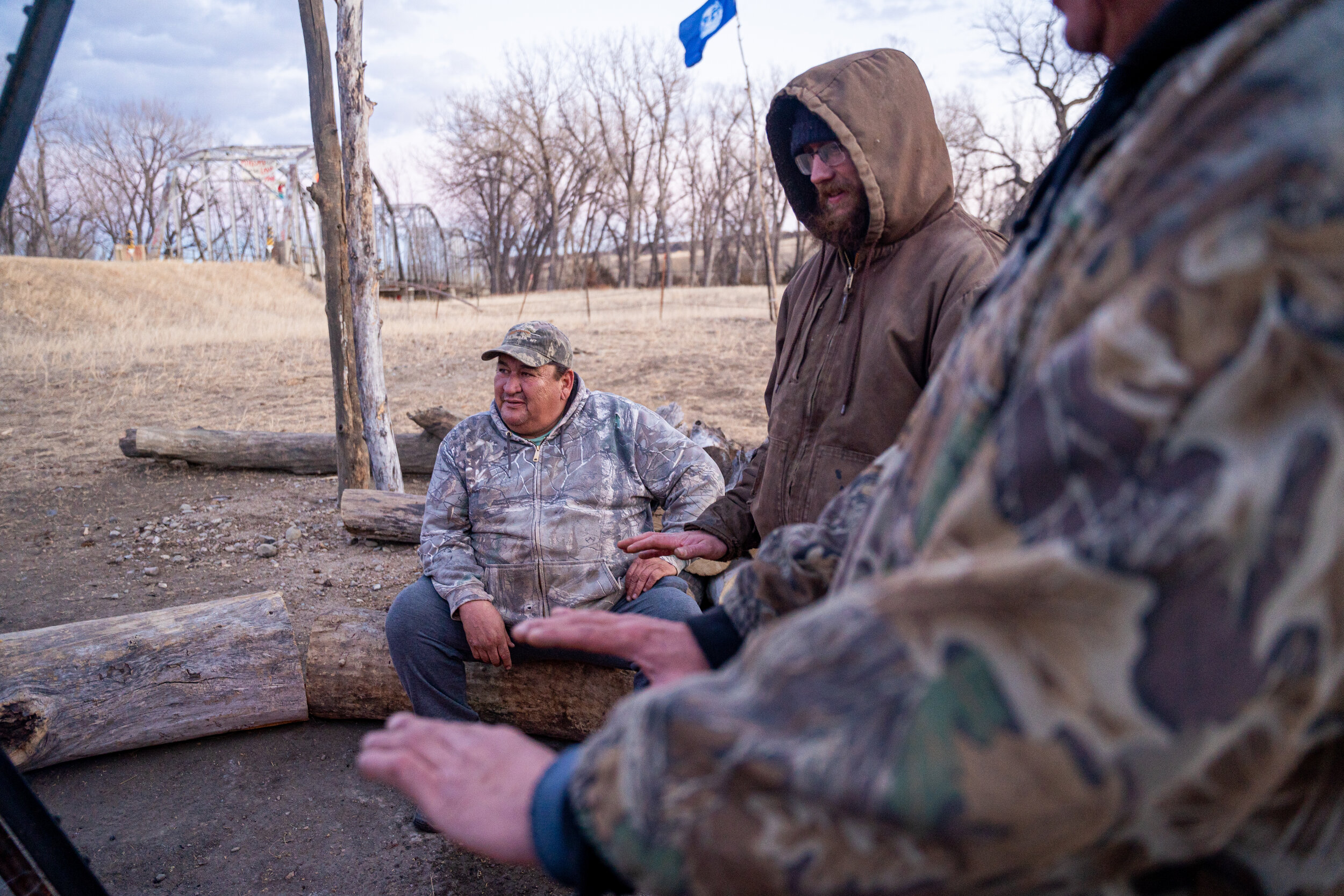
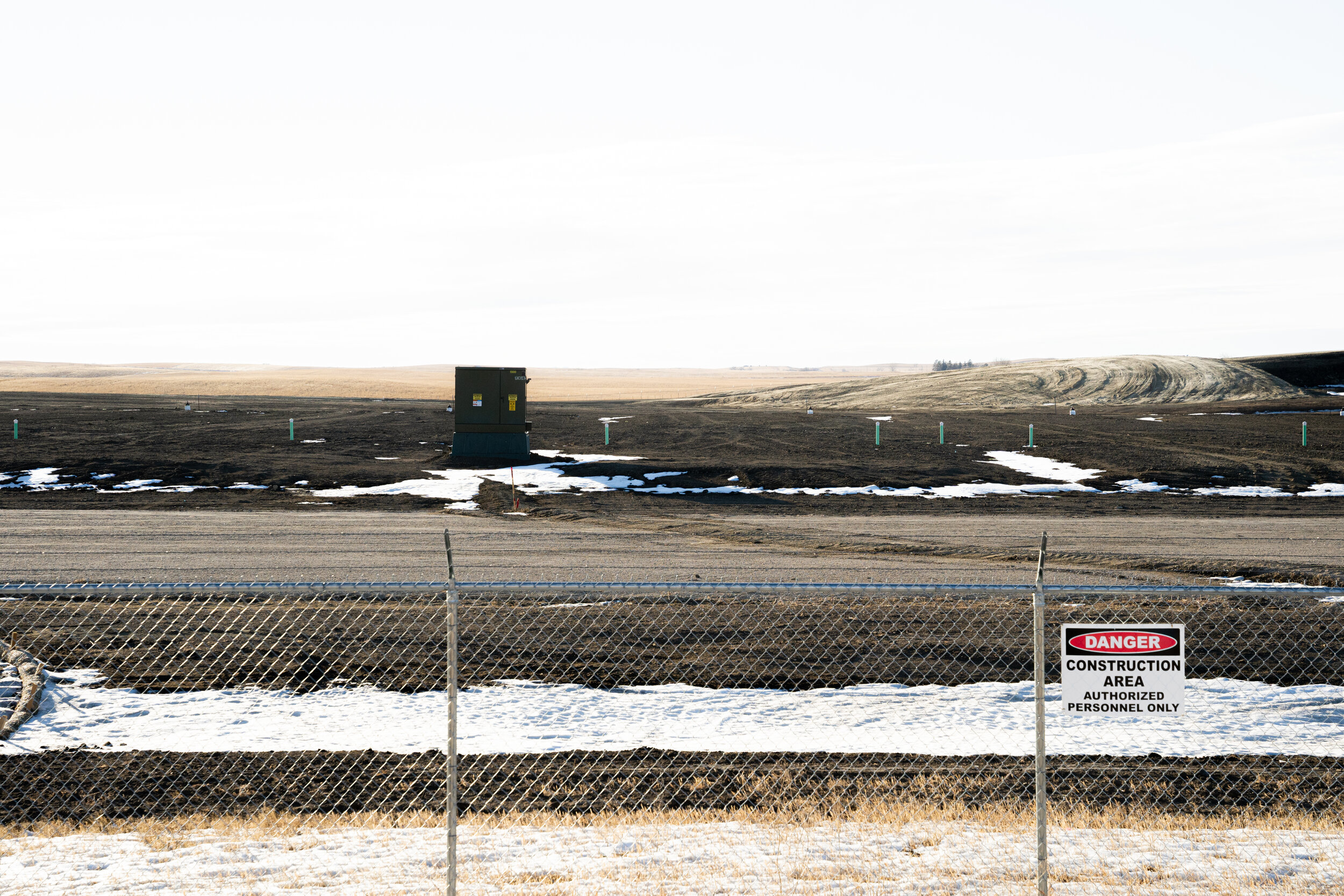
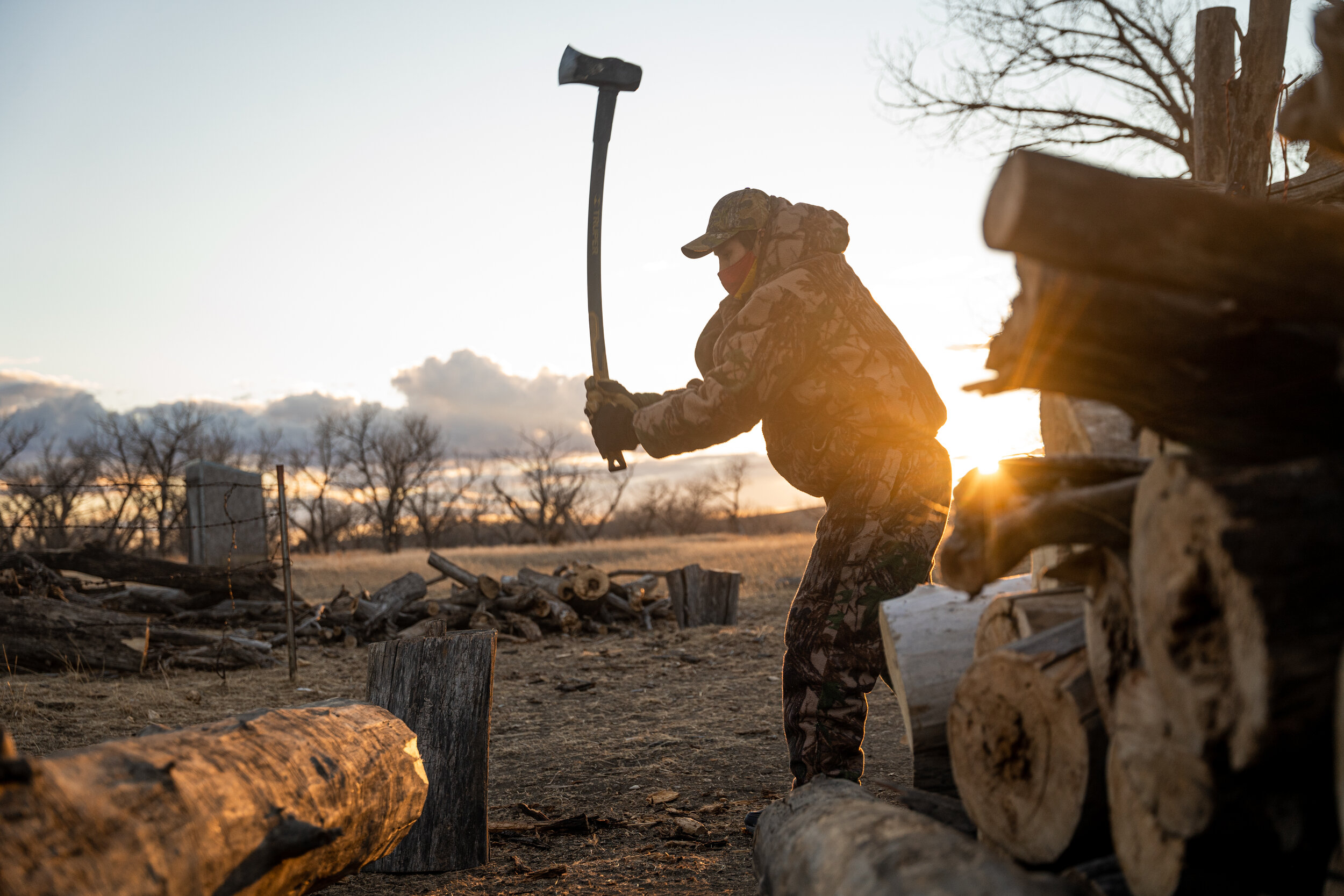
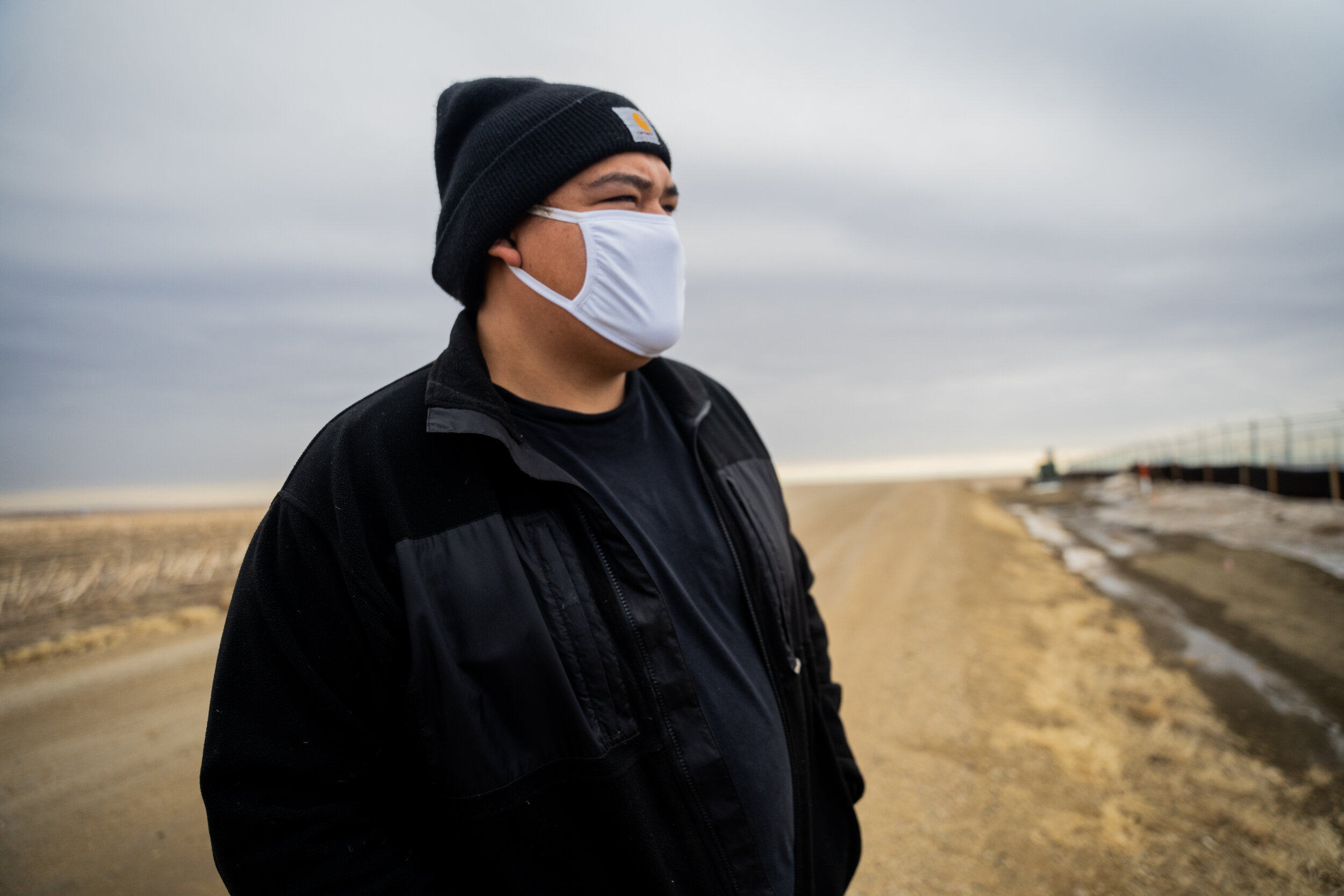
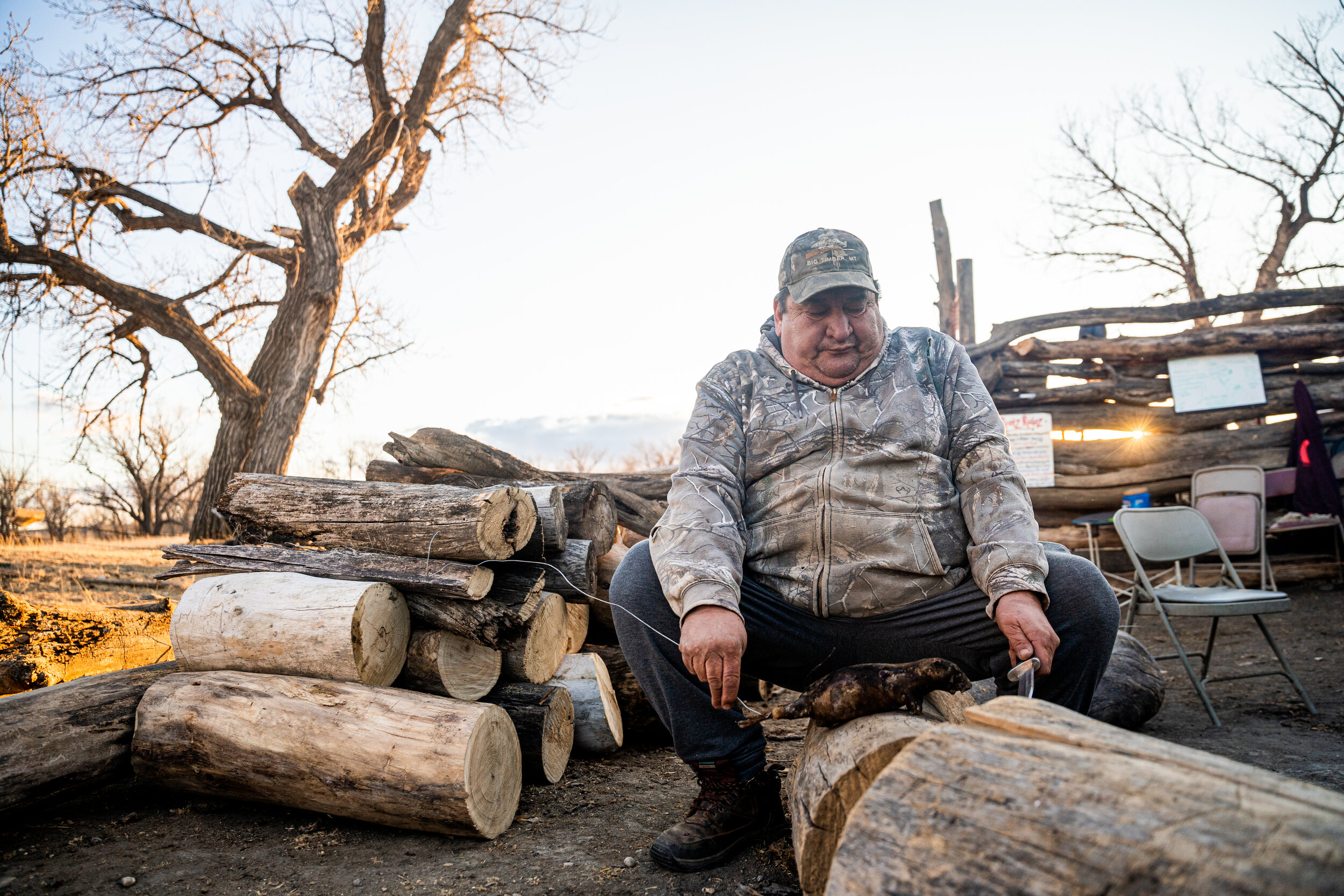
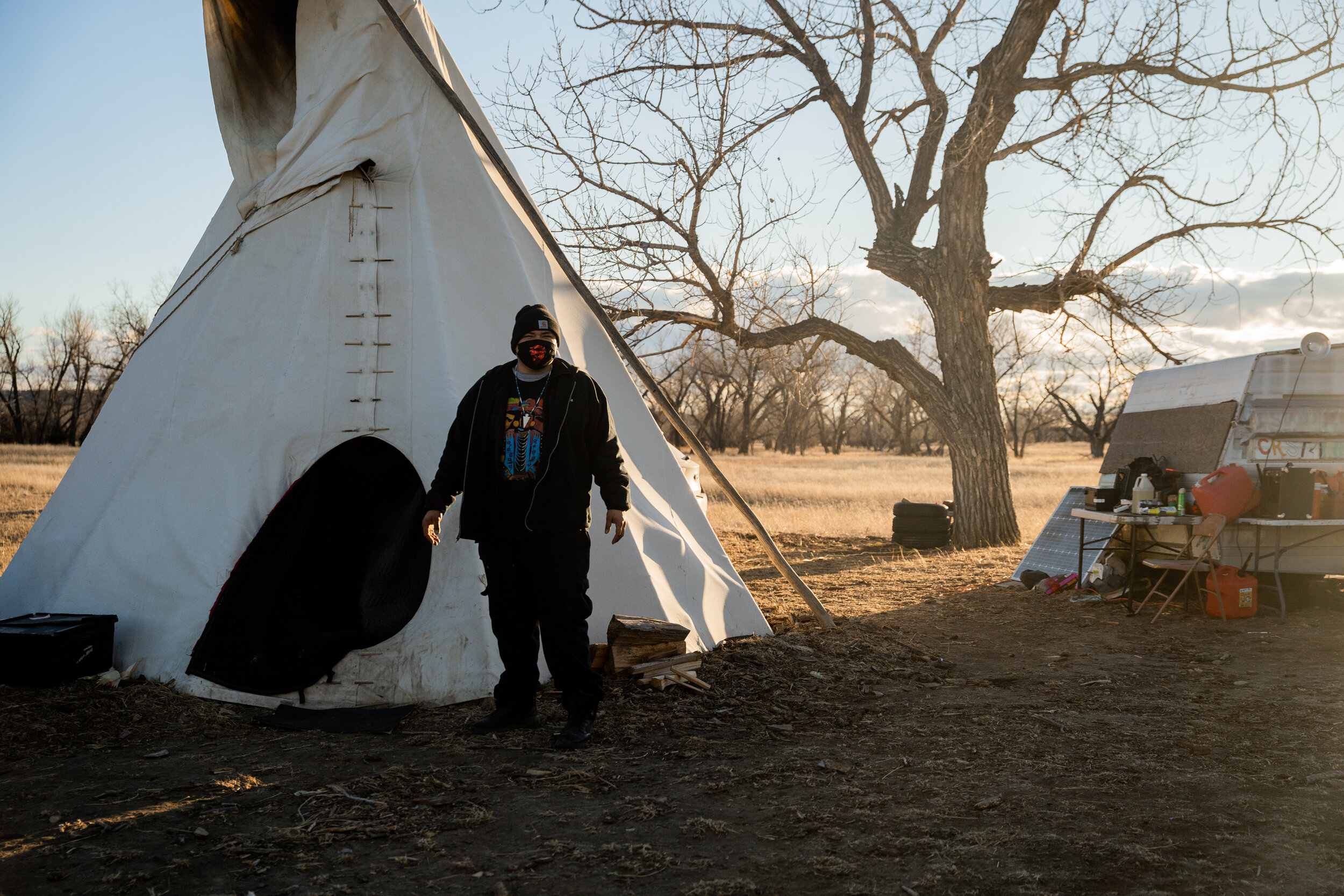
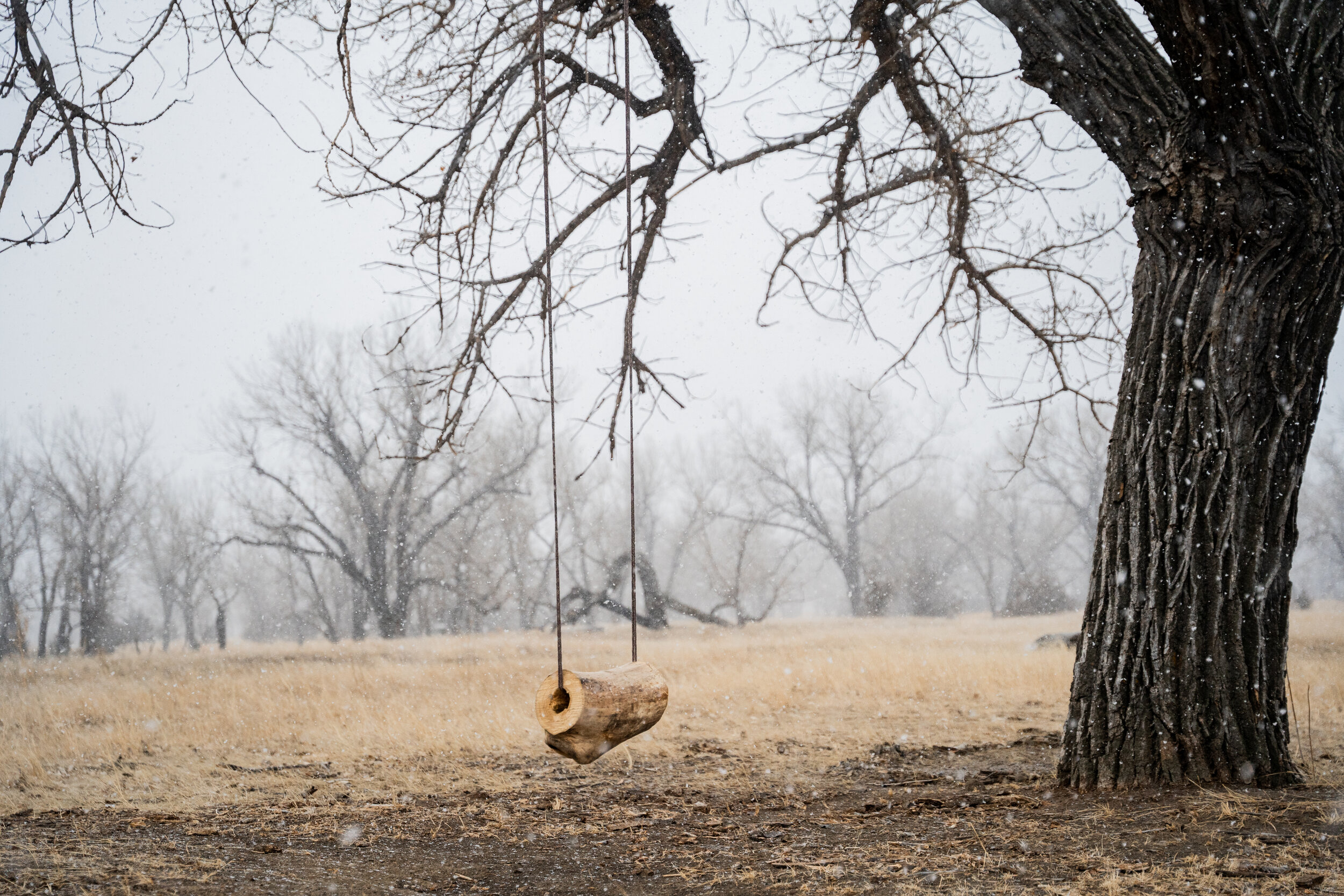
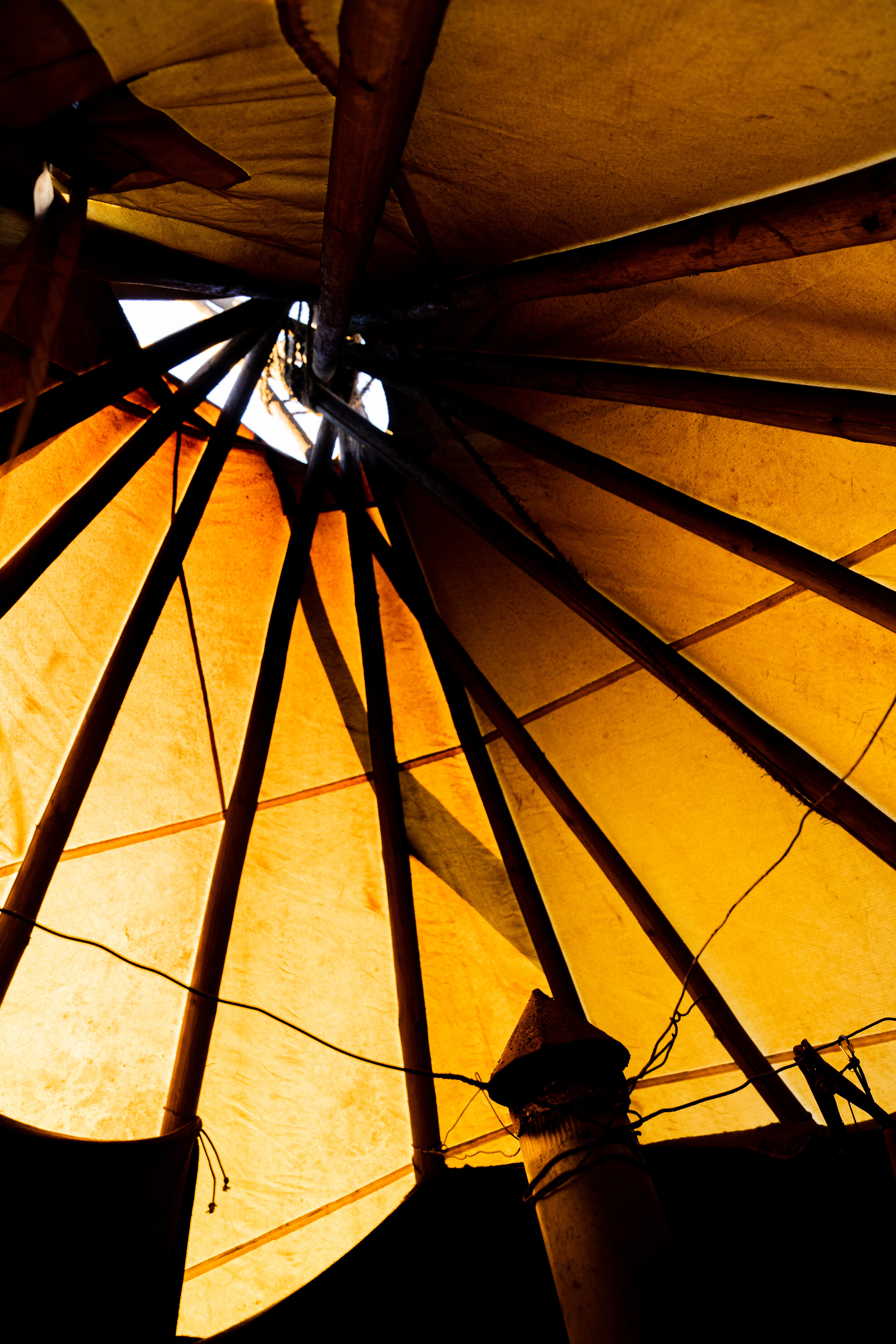
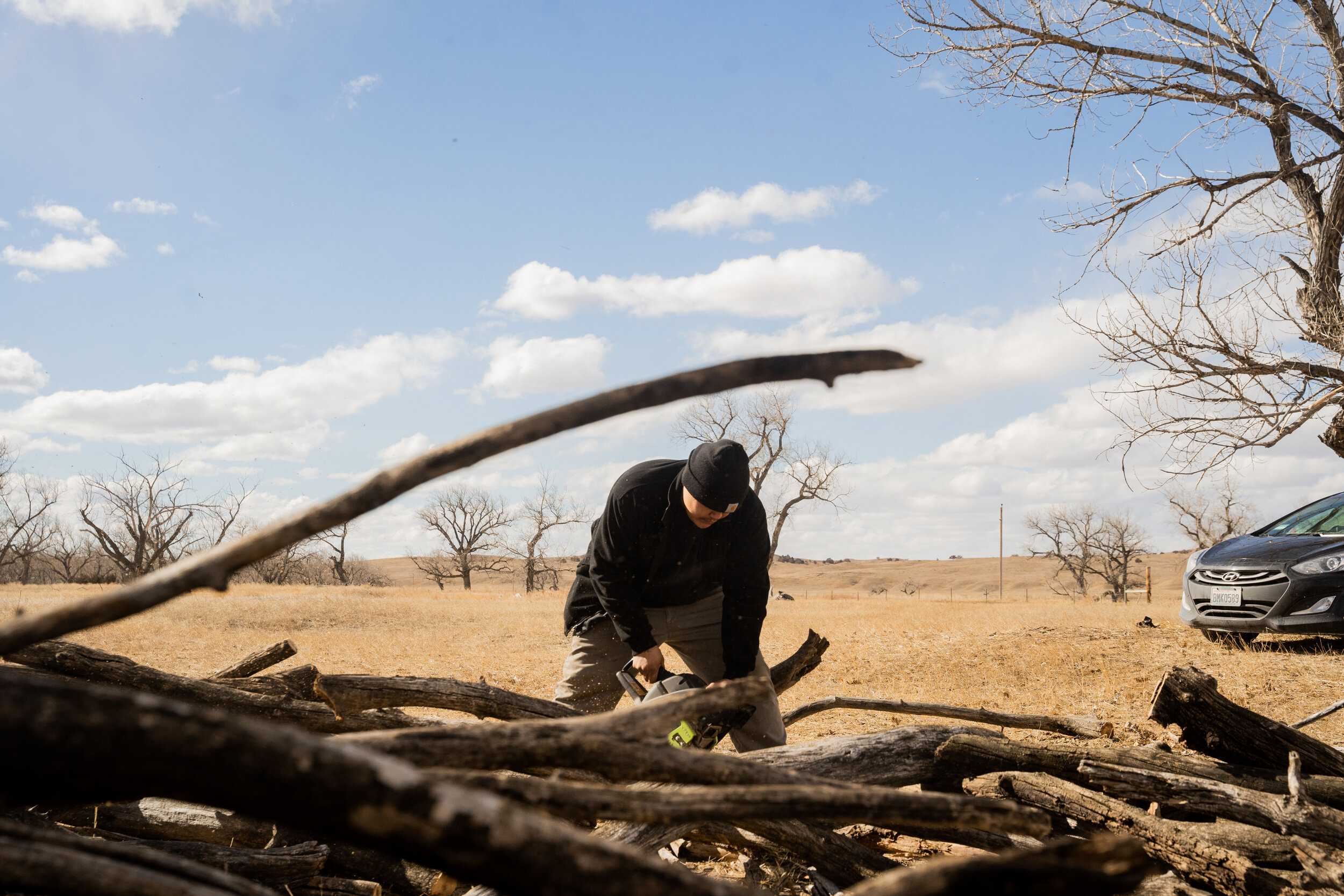
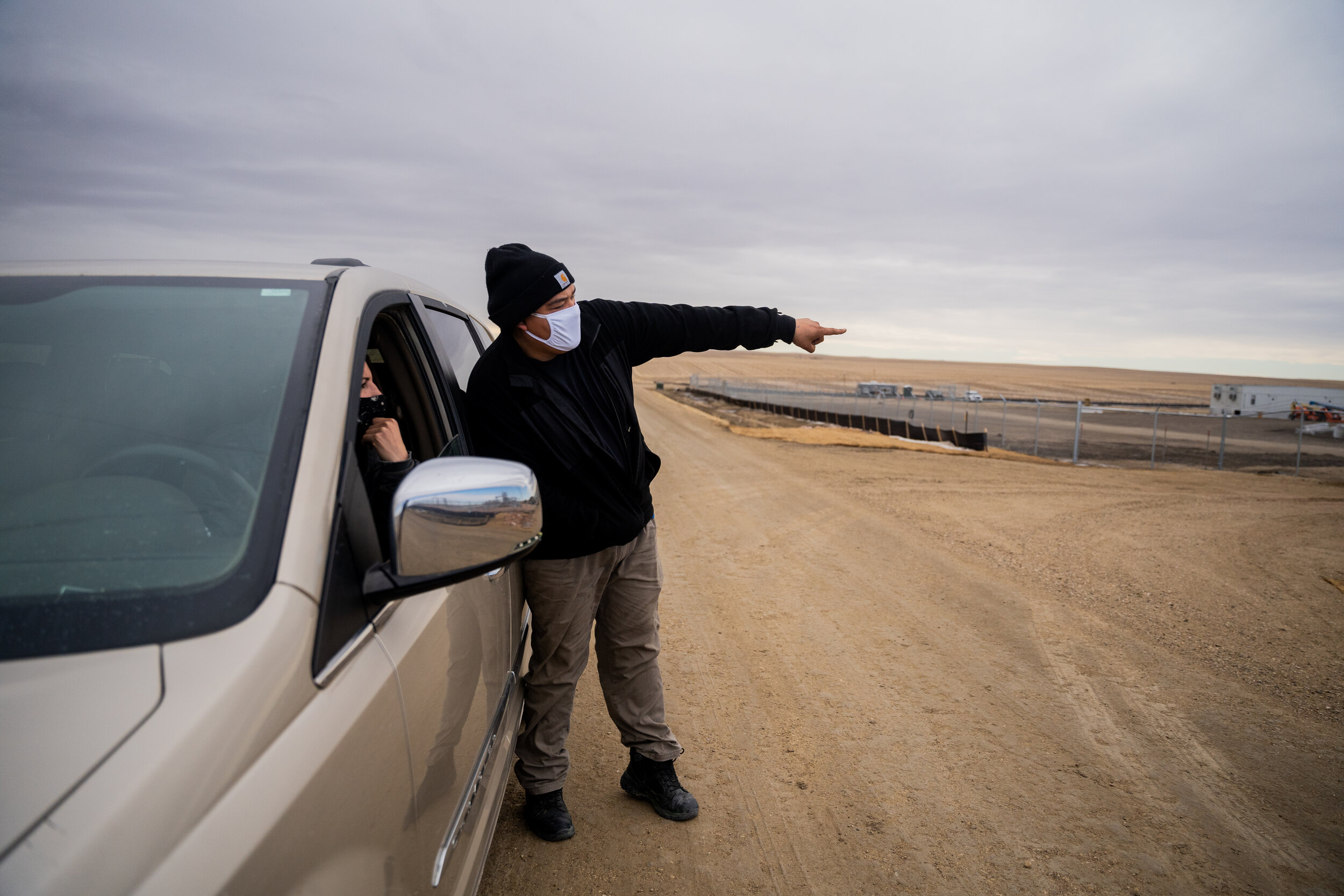
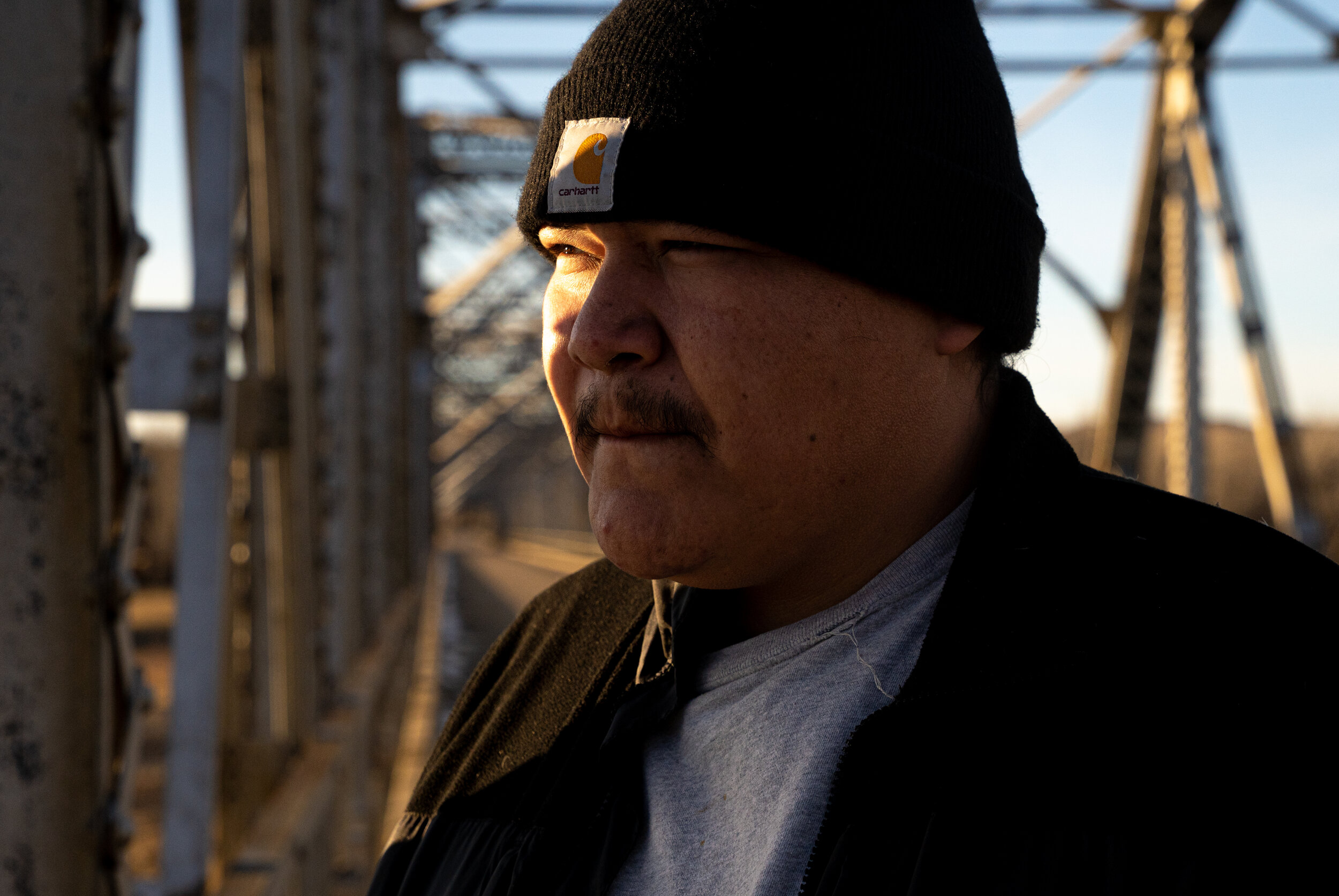
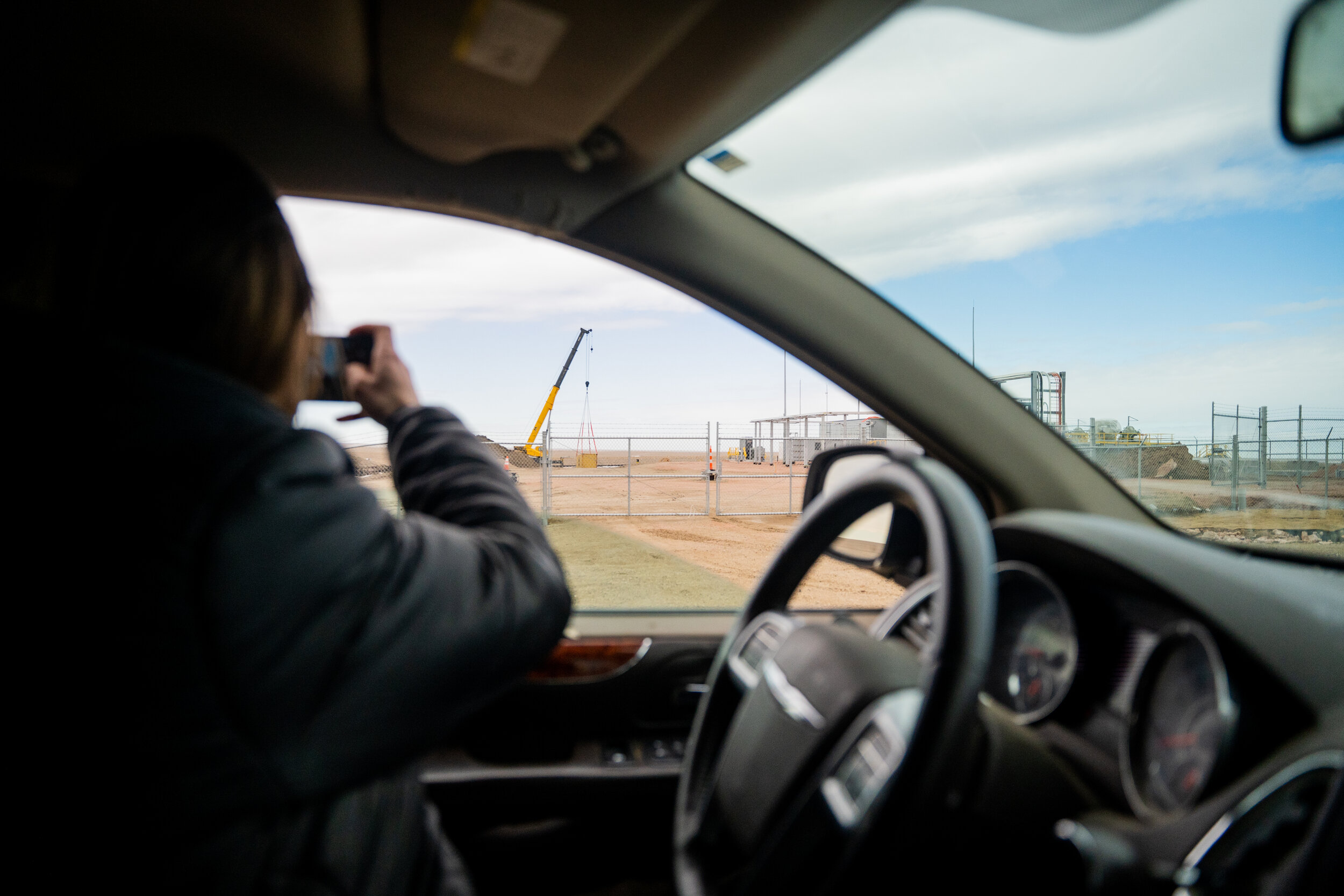
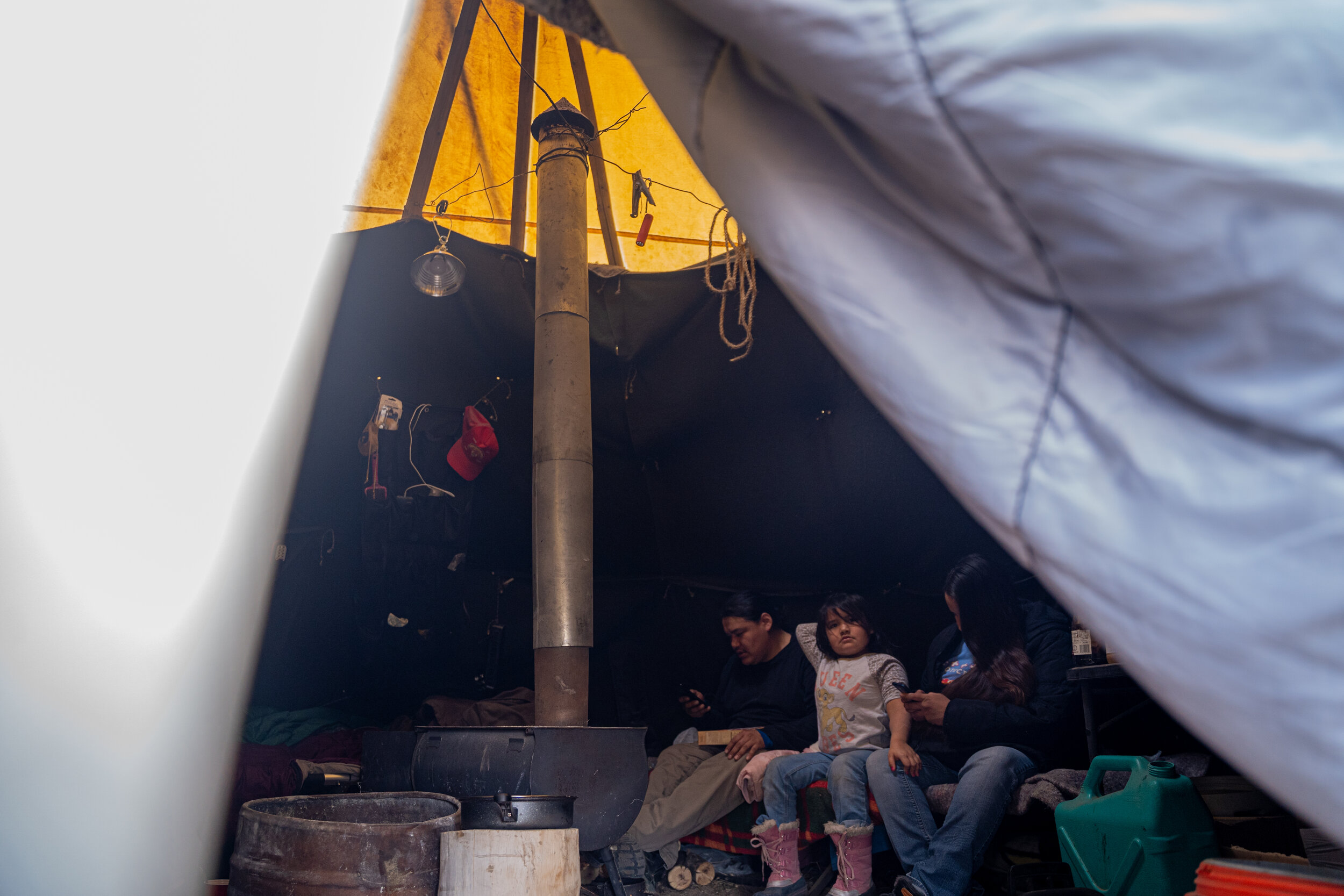
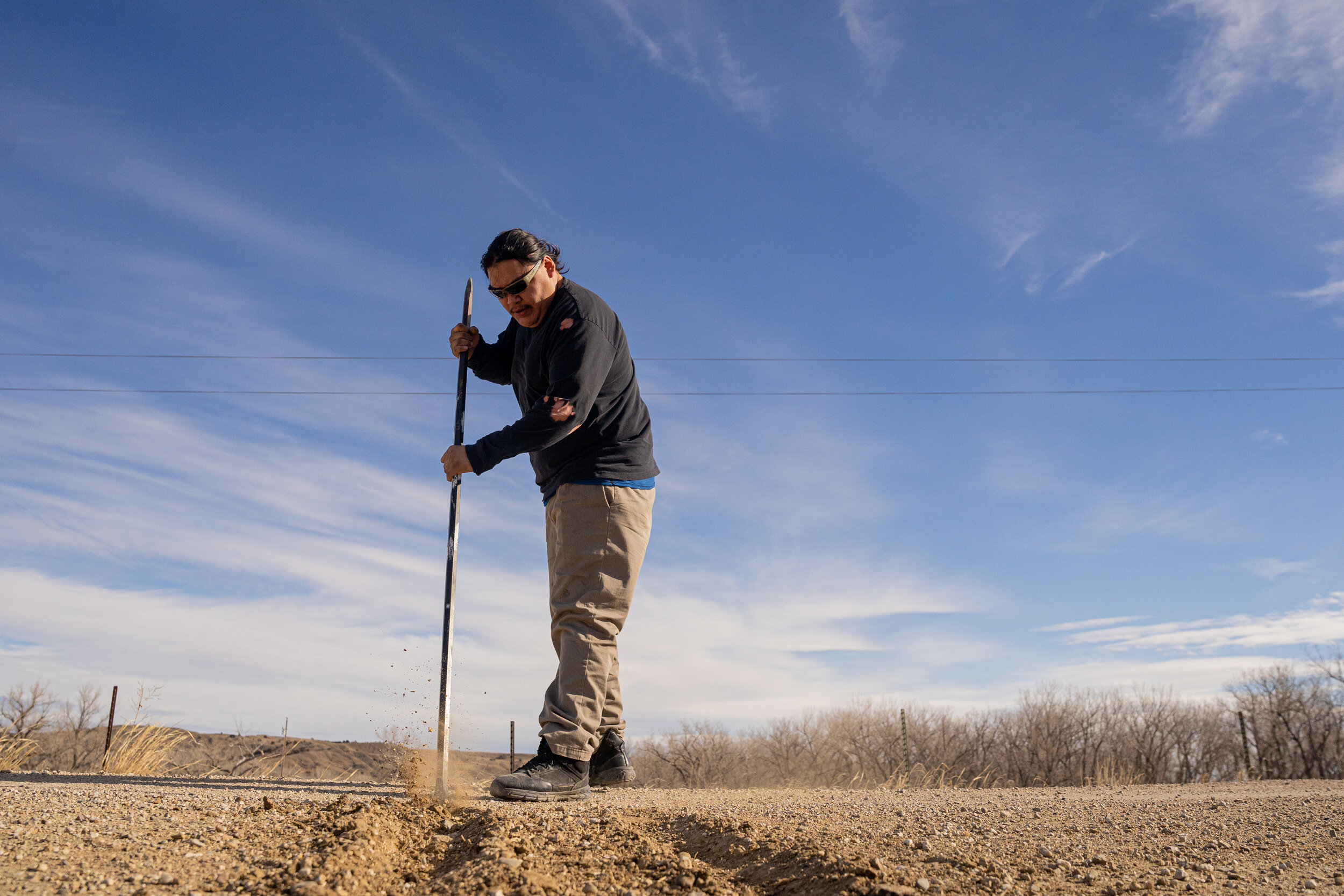
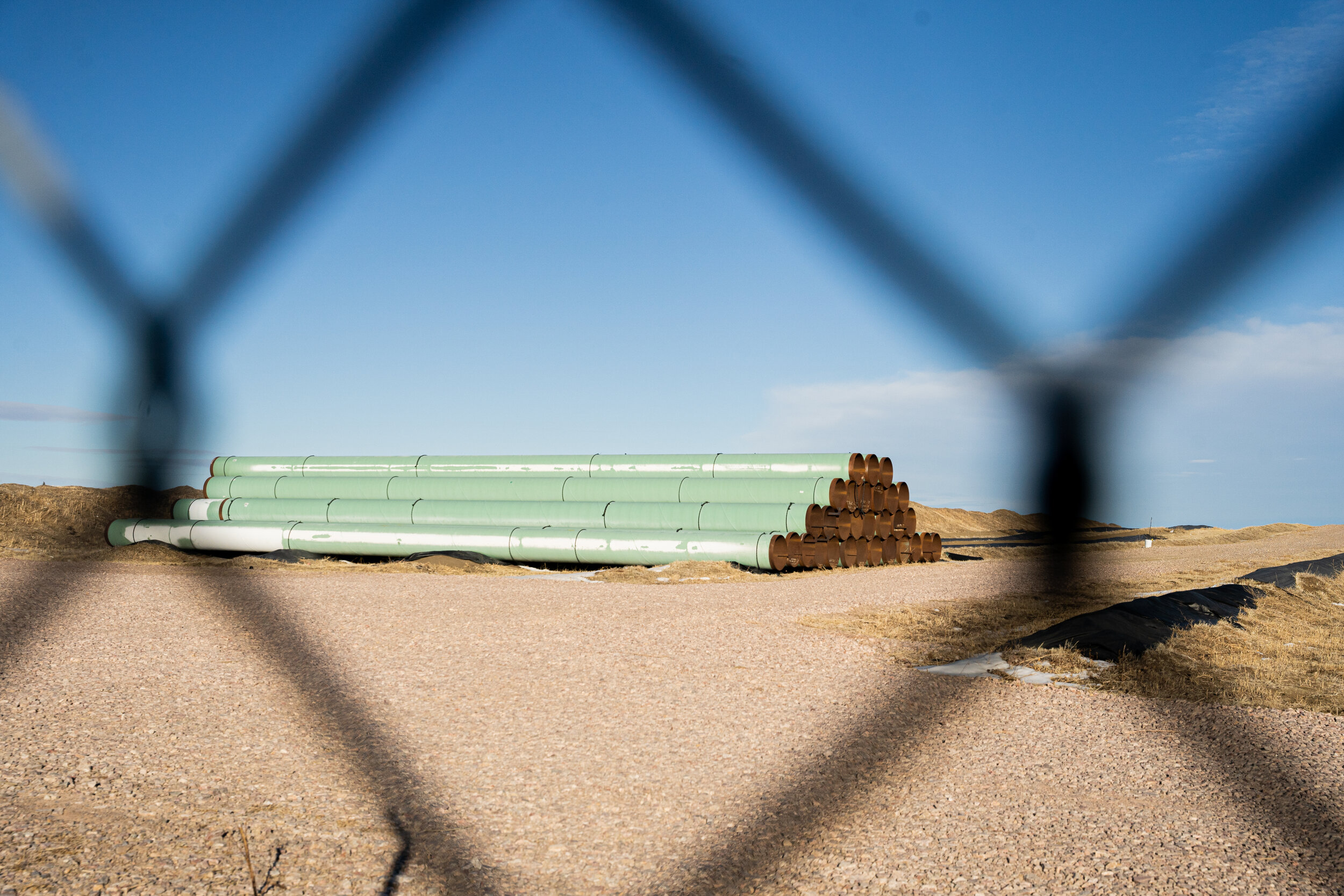
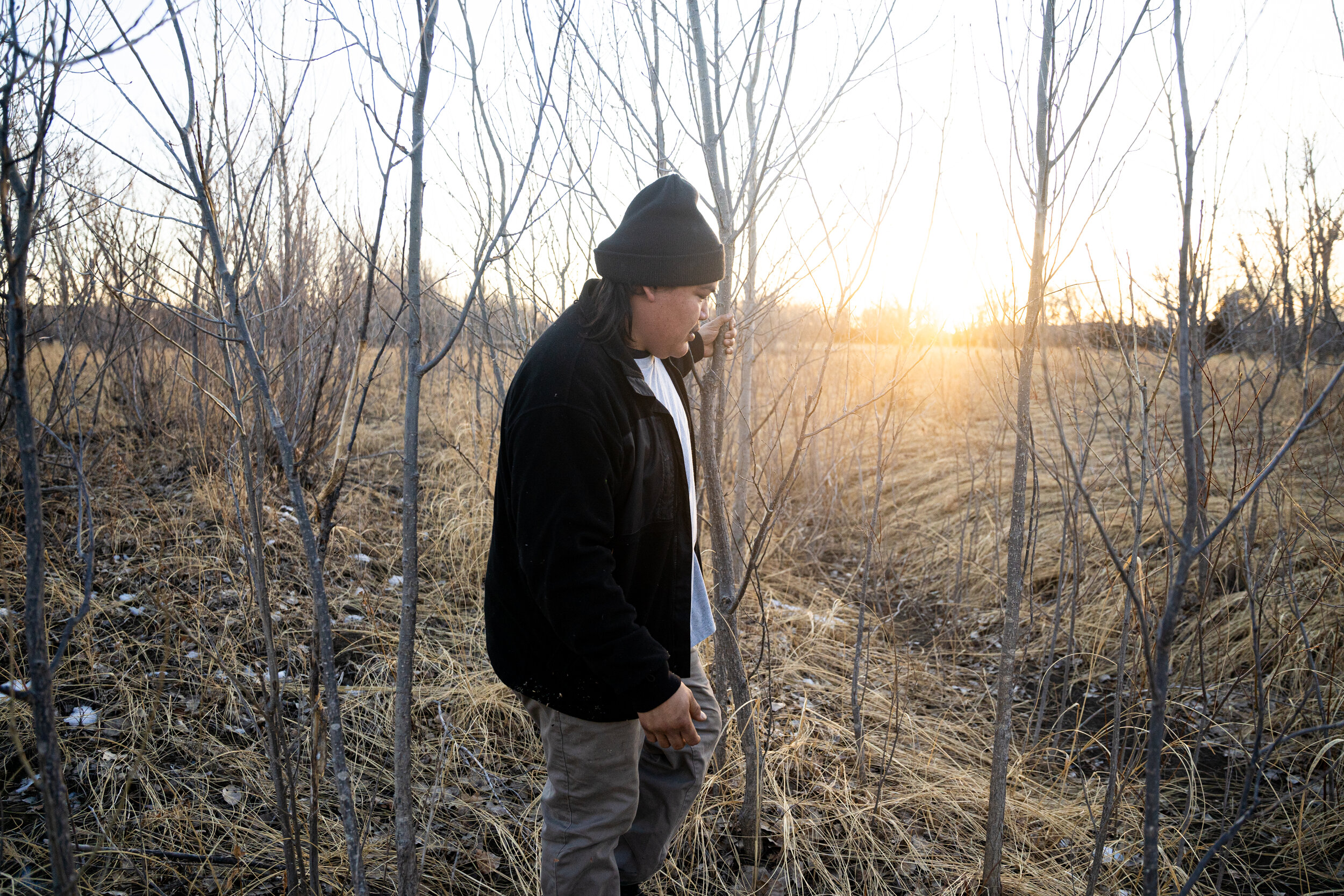
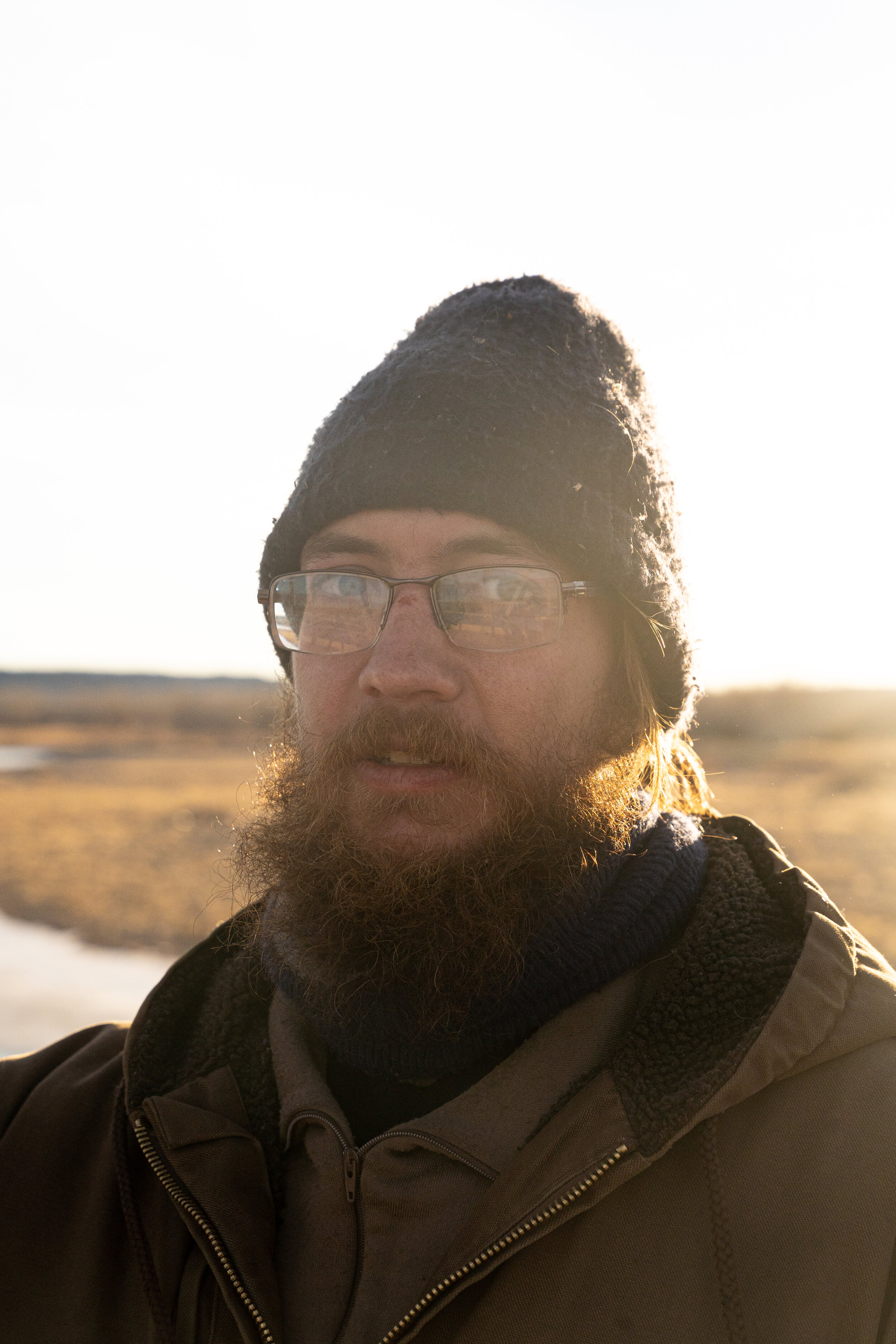
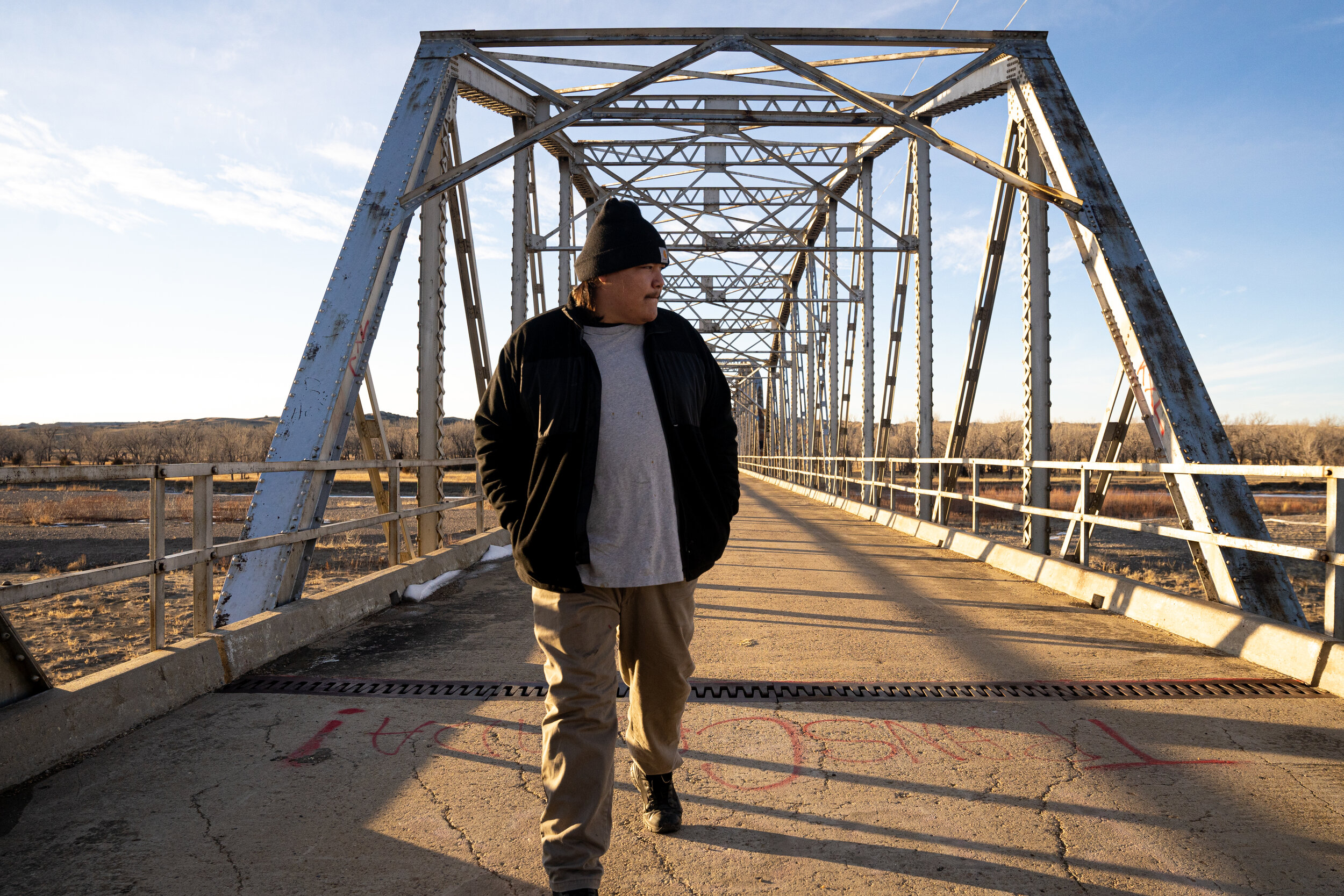
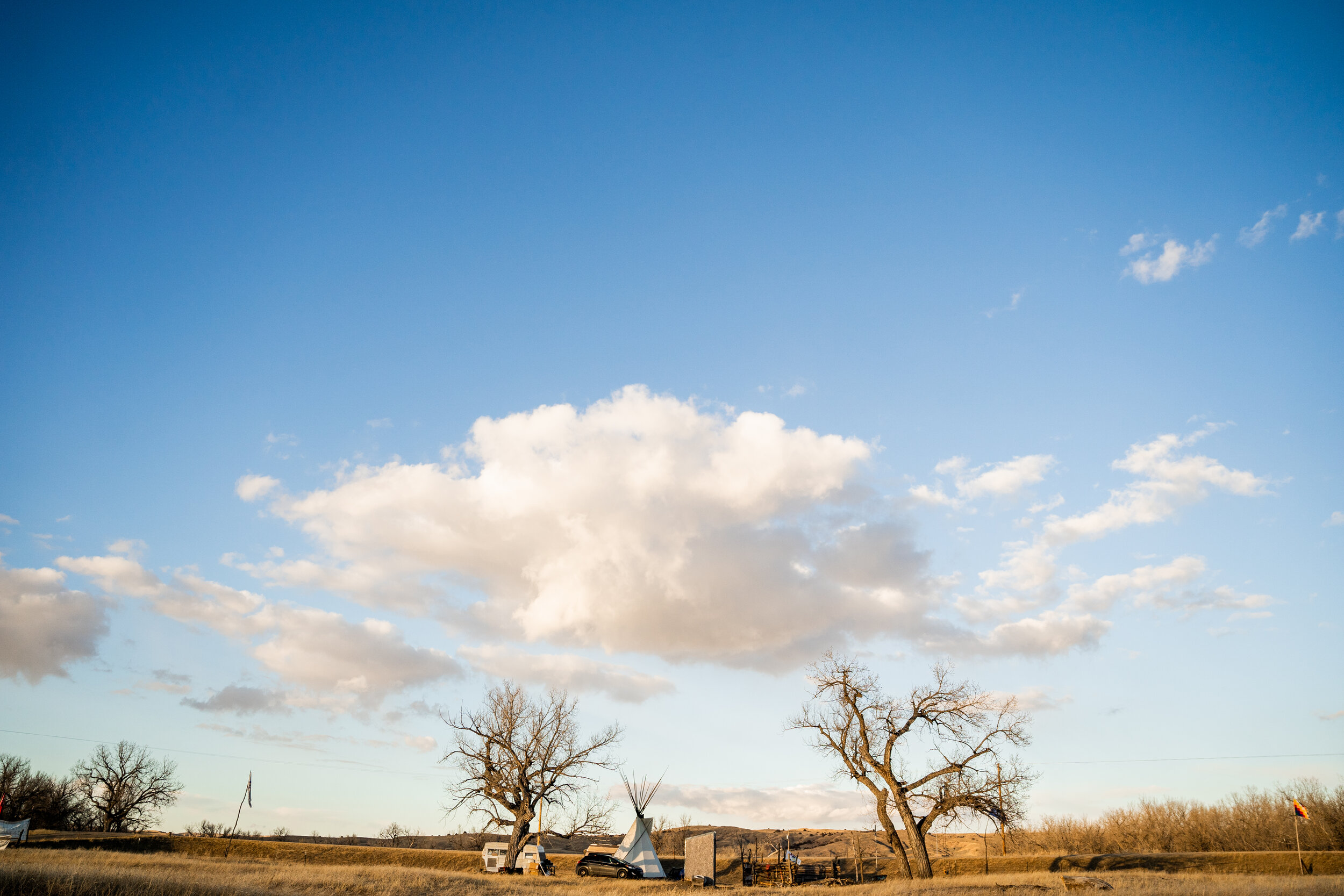
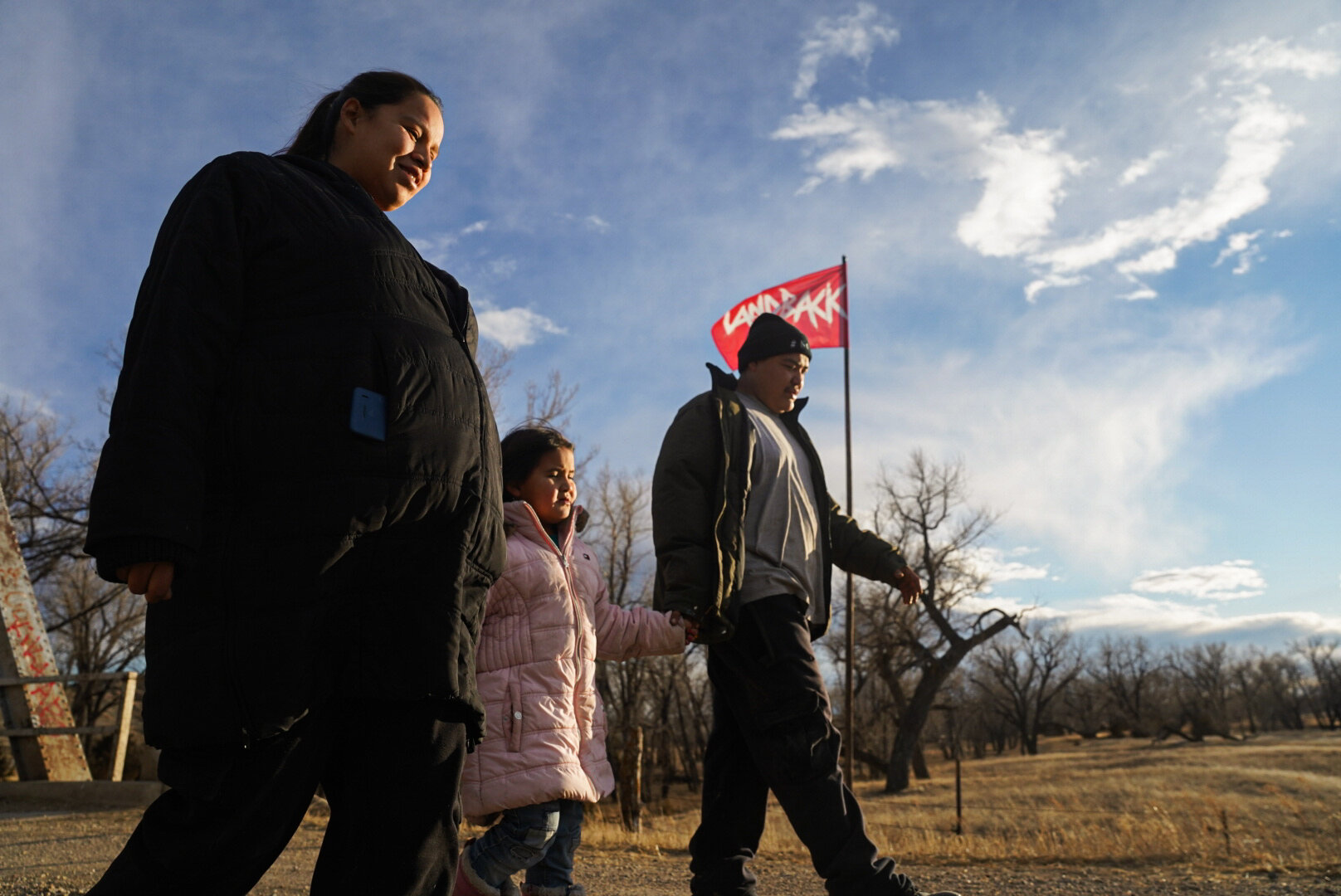
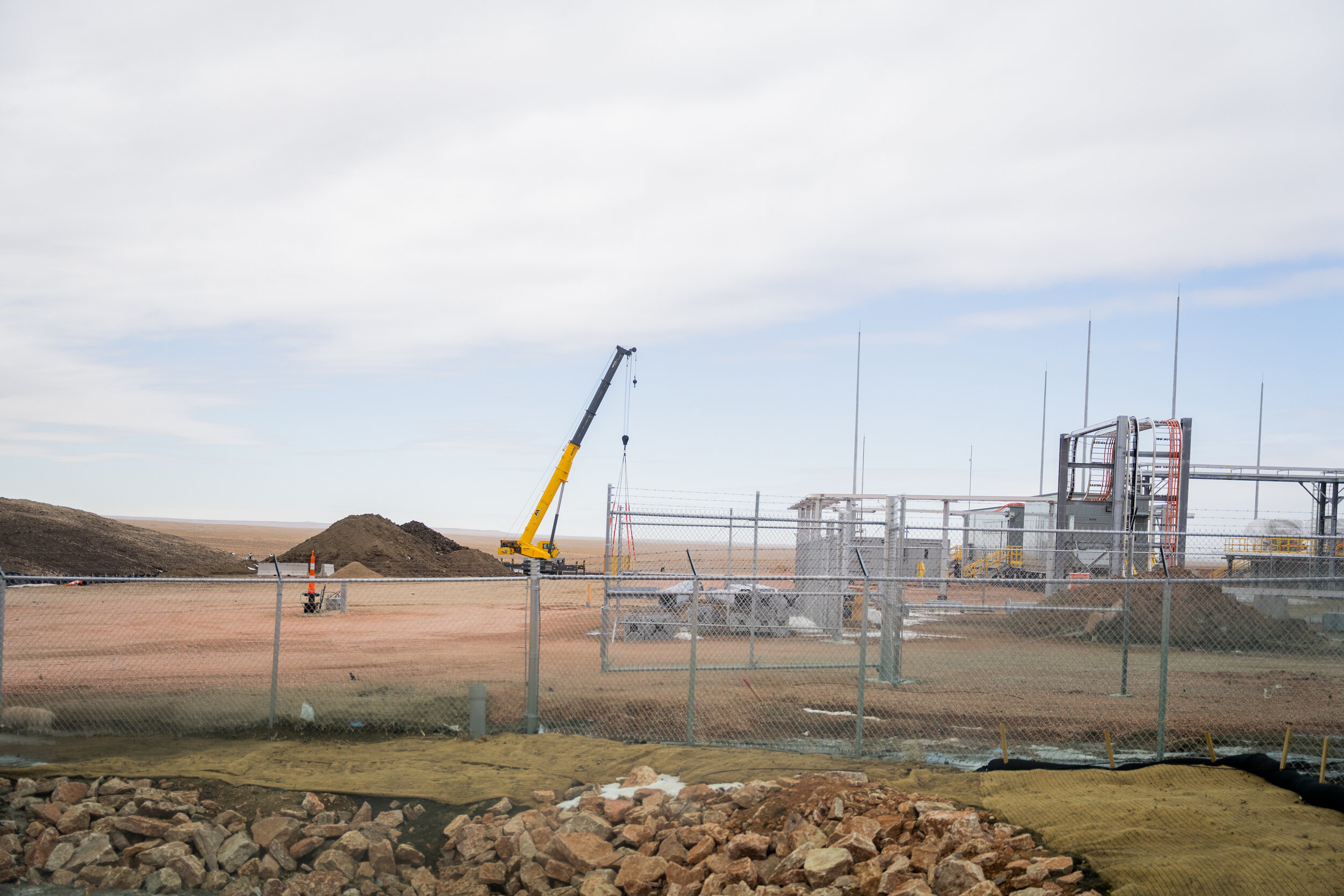
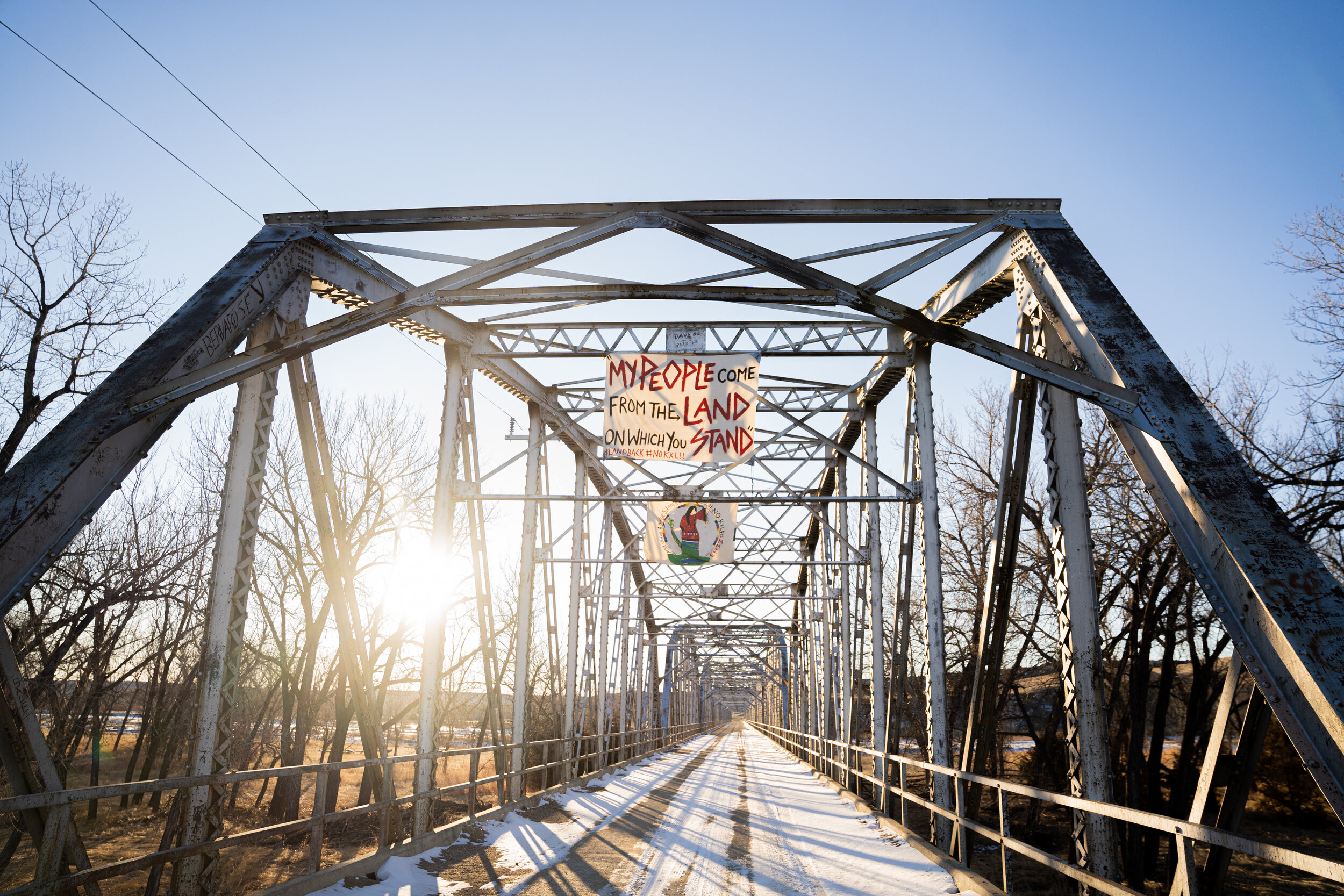
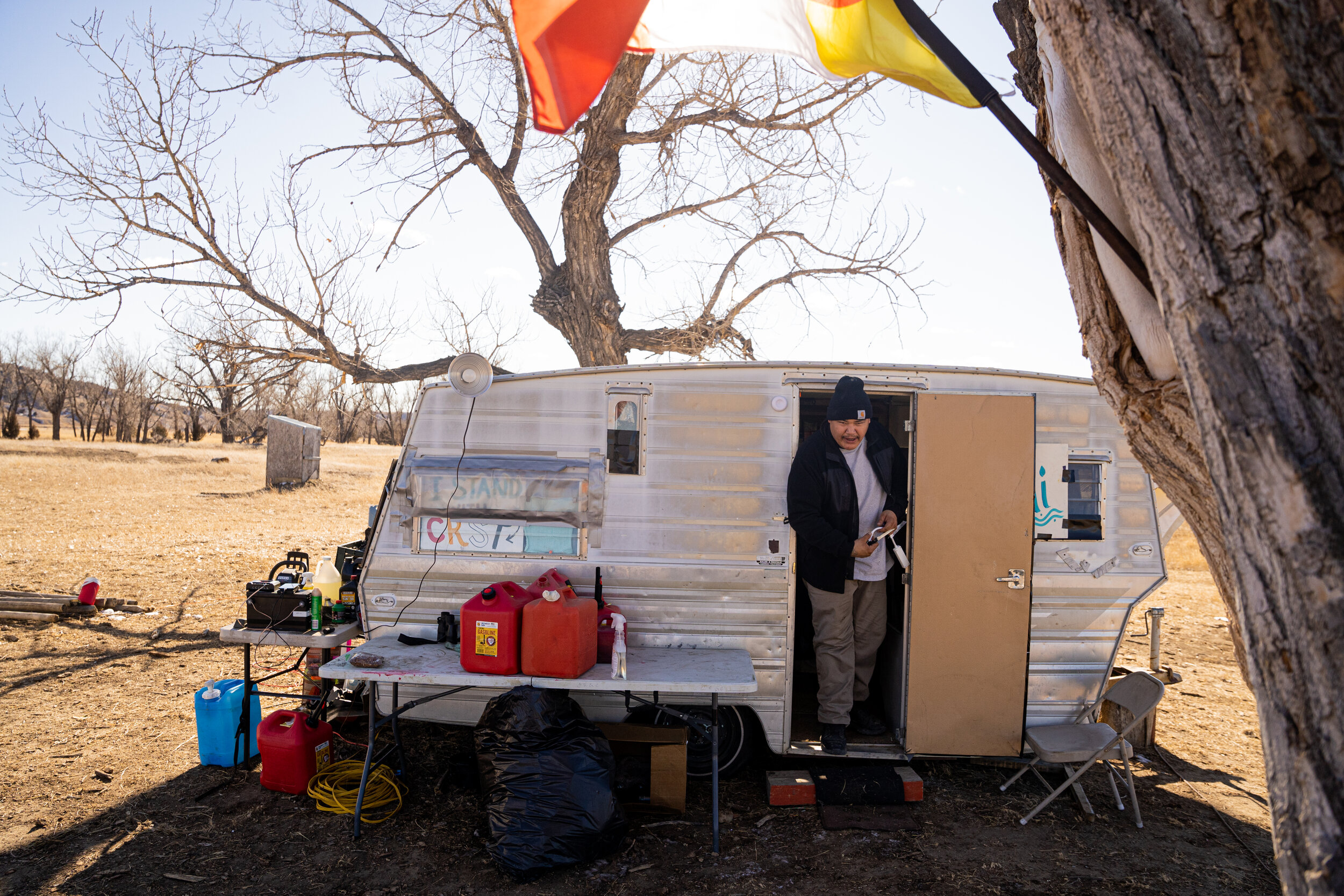




Mni Wichoni / Standing Rock Reunion Sep 17-20.
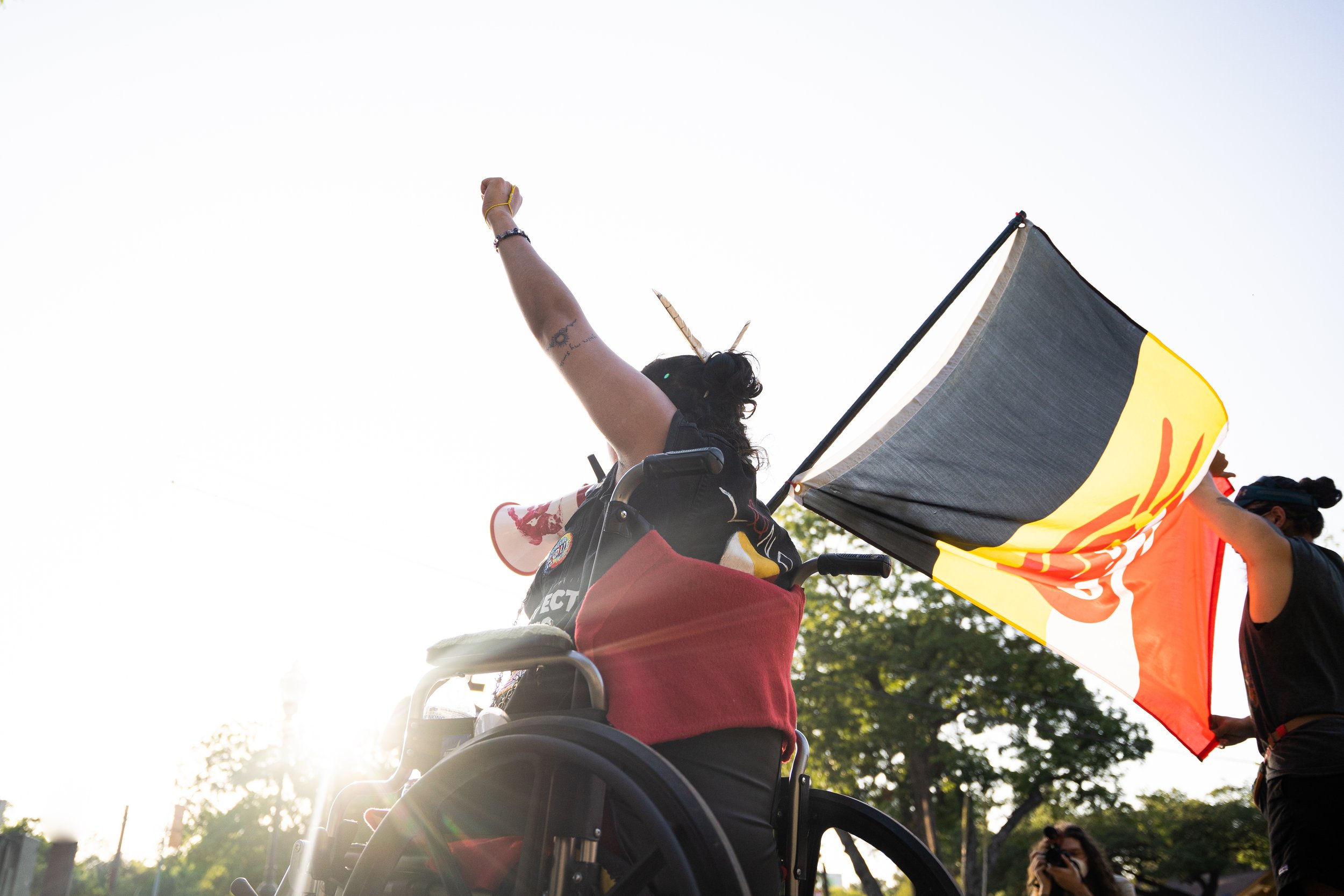
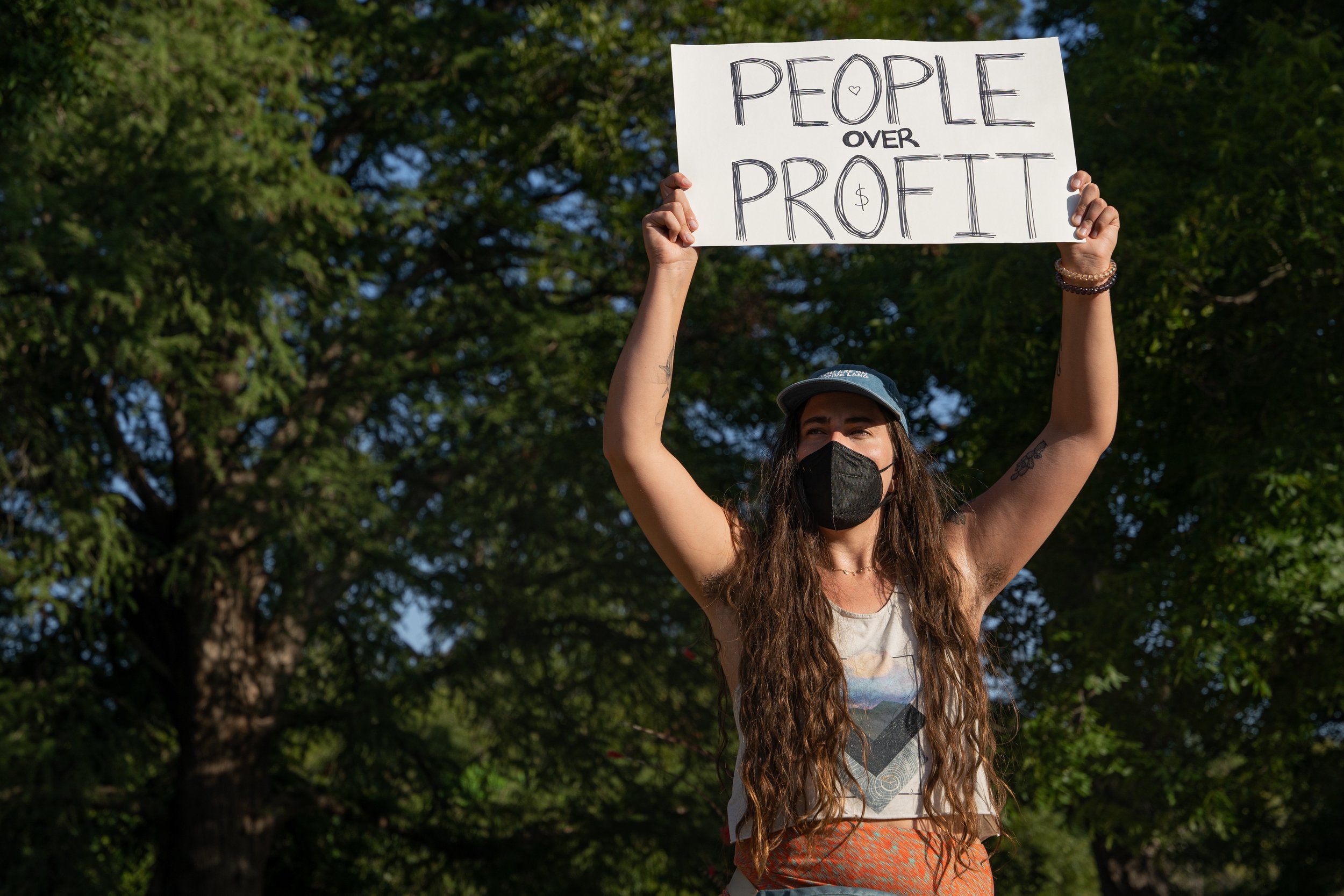
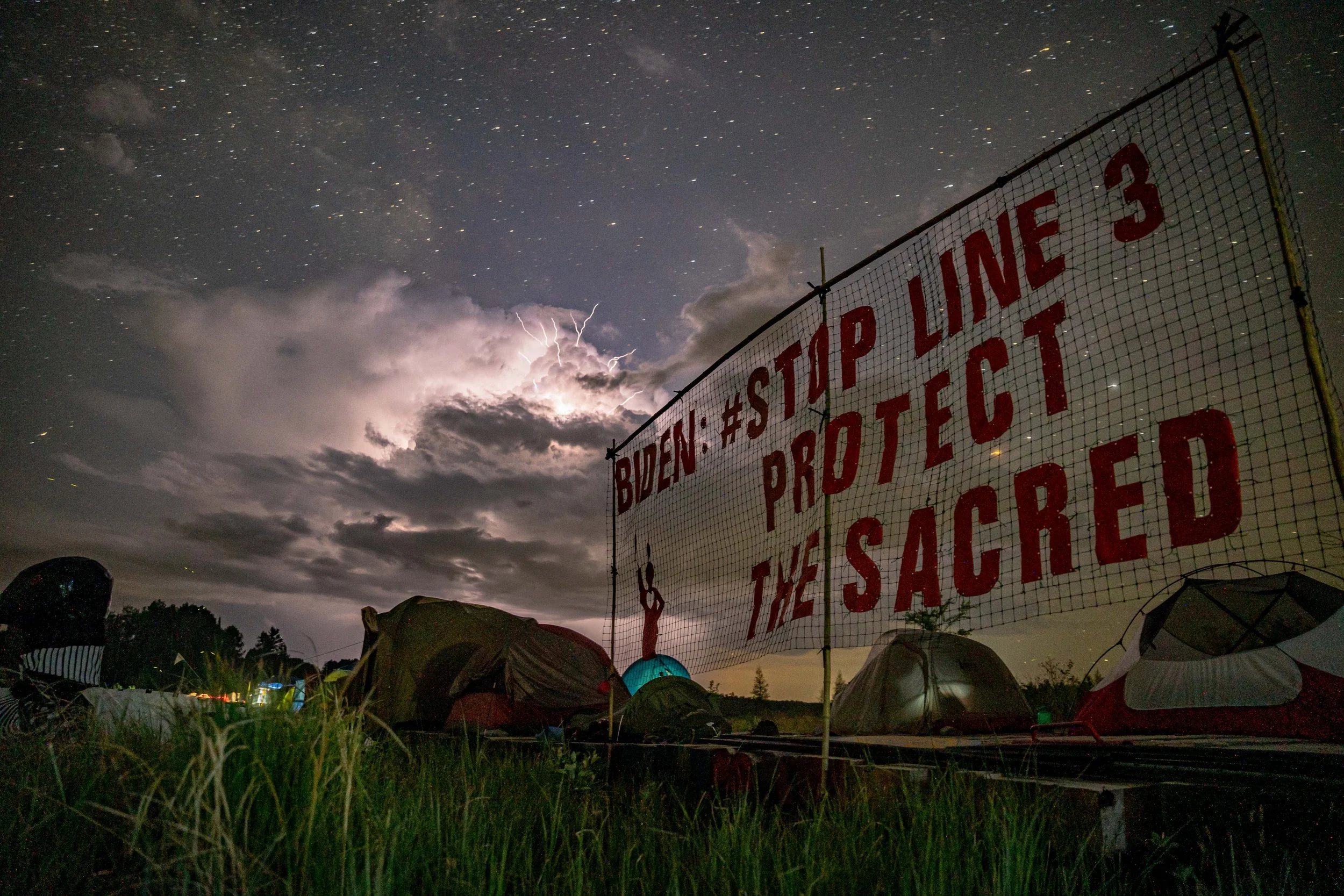
In 2016 a global movement was born out of Indigenous resistance to an oil pipeline to protect the water! Standing Rock saw tens of thousands of people flow through the space with around 14,000 people encamped at its height. Over 200 native tribes were represented within the camp.
Indigenous people were leading to protect the land, water, and people there at Standing Rock and have been doing it ever since and many for decades before.
Many of the people at the reunion weekend endured so much at Standing Rock and in the years since. They are incredible, resilient, and world changers. They faced insane weather, brutalization from police and private security, some were physically harmed, bodies maimed, others were arrested and put in prison for years and so much more... Yet, they persist.
They know the deep importance of the Earth and the direct connection we must have with Her if we are to move forward in a good way. For me, my journey started at Standing Rock but they had been resisting long before I showed up there and they continue to move in profound ways.